


Hot Sale DHA Algal Oil Pure Fish DHA Algal Algae Oil Omega 3 Food Grade DHA Oil
Certificate of Analysis
|
Product Name |
DHA Algal Oil |
Quantity |
1000 kg |
|
Batch No. |
CRSL251003 |
Test Date |
2025-10-05 |
|
Manufacturing Date |
2025-10-03 |
Expiry Date |
2027-10-04 |
|
Items |
Specification |
Methods |
Results |
|
Color |
Yellow-brownish red viscous |
GB1886.244-2016 |
Conformity |
|
Form |
Powder |
GB1886.244-2016 |
Conformity |
|
Assay |
≥98% |
GB1886.244-2016 |
98.62% |
|
Loss on Drying (g/100g) |
≤5.0 |
GB1886.244-2016 |
1.94 |
|
Ash content(%) |
≤4.0 |
GB1886.244-2016 |
0.10 |
|
Arsenic (as As) (mg/kg) |
≤2.0 |
GB1886.244-2016 |
Conformity |
|
Lead (as Pb) (mg/kg) |
≤5.0 |
GB1886.244-2016 |
Conformity |
|
Shelf Life |
24 months under the conditions below, no antioxidant used |
||
|
Package |
25 kg/carton outside and double food plastic bags inside. |
||
|
Storage |
Store in a cool, dry place away from Moisture, Light, Oxygen |
||
OMEGA-3 FISH OIL
EPA 18/12 · 33/22 · EE & TG
A refined marine lipid ingredient produced from small pelagic fish and standardized on EPA and DHA content. Supplied in the two grades the market orders most — 18/12 and 33/22 — in ethyl ester (EE) or triglyceride (TG) molecular form. Every lot is released against a GC fatty-acid profile, a full oxidation panel, and a contaminant screen, and ships in nitrogen-protected 190 kg steel drums.
TECHNICAL SPECIFICATIONS
EVIDENCE & CERTIFICATES
1. Per-Batch EPA/DHA Assay by GC
Every lot is assayed by gas chromatography for its declared EPA and DHA content and total omega-3 concentration. The measured values in mg/g — not a nominal grade name — are printed on the batch COA, so your formulation team can calculate active input directly.
2. Oxidation Panel on Every Lot
Marine lipids are judged on freshness as much as potency. Each batch is tested for acid value, peroxide value, anisidine value, and calculated Totox, with results reported on the COA. Controlled oxidation means less odor carry-through and a more predictable shelf life in finished softgels.
3. Contaminant Screen & Documented Source
Each lot passes a heavy-metal panel (Pb, As, Hg, Cd) plus dioxins, furans, and PCBs, alongside a microbiology screen. Fish species and catching region are documented at raw-material intake, and the refinery operates under HACCP and ISO 22000 with Halal and Kosher documentation available.
PRODUCT HIGHLIGHTS
Two Grades That Cover Most Briefs
18/12 for everyday omega-3 softgels and standard supplement formulations; 33/22 when capsule size matters and you need higher actives per fill. Both are held in regular production rather than made to order.
EE, TG, or rTG — Your Choice of Form
Ethyl ester for concentrated, cost-efficient formulations; triglyceride or re-esterified triglyceride when the label or market positioning calls for the natural triglyceride form.
Oxidation Controlled at ≤ 19 Totox
Acid value, peroxide value, and anisidine value are tested on every lot and reported together, giving you a verifiable freshness baseline before the oil enters your filling line.
Built for Bulk Handling
Nitrogen-protected 190 kg steel drums, four per pallet, with a 24-month shelf life — packed for container shipping and for drum-by-drum drawdown at your plant.

FUNCTIONAL ROLES
1. EPA & DHA Carrier
Delivers the two long-chain marine omega-3 fatty acids at declared concentrations in mg/g, so the active level of a finished softgel or liquid dose is a calculation, not an estimate.
2. Liquid Fill & Emulsion Base
A clear, winterized oil that runs directly on softgel encapsulation equipment and emulsifies for beverage, dairy, and liquid supplement formats without pre-melting or dilution.
3. Neutral Sensory Profile
Refined and deodorized to a faint characteristic marine note, with oxidation held low — which is what keeps fishy aftertaste out of the finished capsule.
INDUSTRIAL APPLICATIONS


1. Softgel Encapsulation
The principal use for refined fish oil. The 18/12 grade suits standard 1000 mg fills; the 33/22 grade lets you lift EPA+DHA per capsule without enlarging the shell.
2. Liquid Supplements & Emulsions
Bottled omega-3 liquids, syrups, and emulsified beverage shots, where the oil is dosed directly or dispersed into a water phase with a suitable emulsifier system.
3. Food Fortification
Dairy products, bakery fats, nutritional beverages, and powdered milk systems fortified with marine omega-3 — typically via a pre-emulsion or microencapsulated intermediate.
4. Cardio-Positioned Nutrition Lines
Omega-3 EPA and DHA are long-established inputs in cardiovascular-nutrition product categories. This oil is commonly specified for cardio-positioned supplement lines and daily omega-3 programs.
PROFESSIONAL SUPPLY CHAIN & SERVICES
QUALITY CERTIFICATIONS
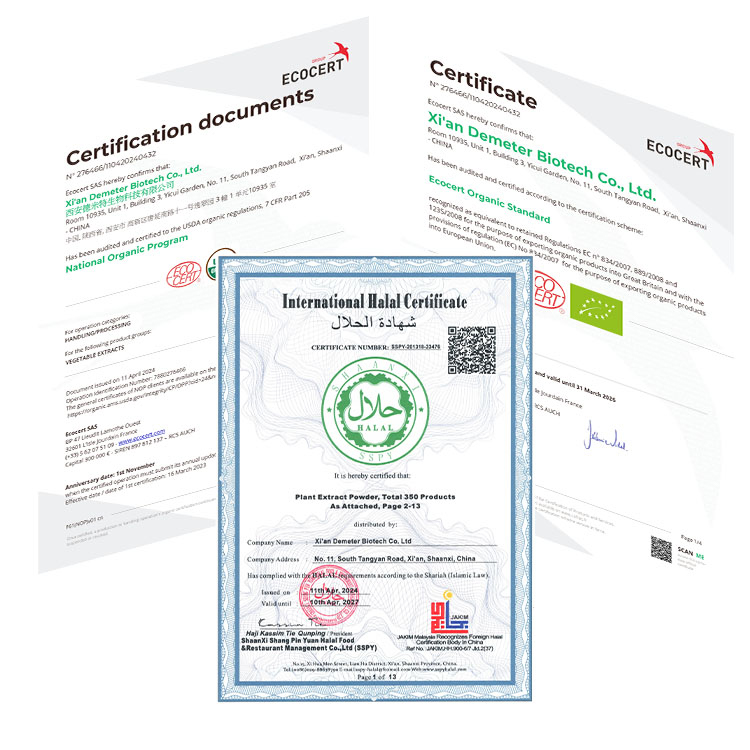
Full documentation including COA, MSDS, and TDS. HACCP, ISO 22000, Halal, and Kosher — with certificate copies provided on request for your market registration.
CUSTOM OEM/ODM
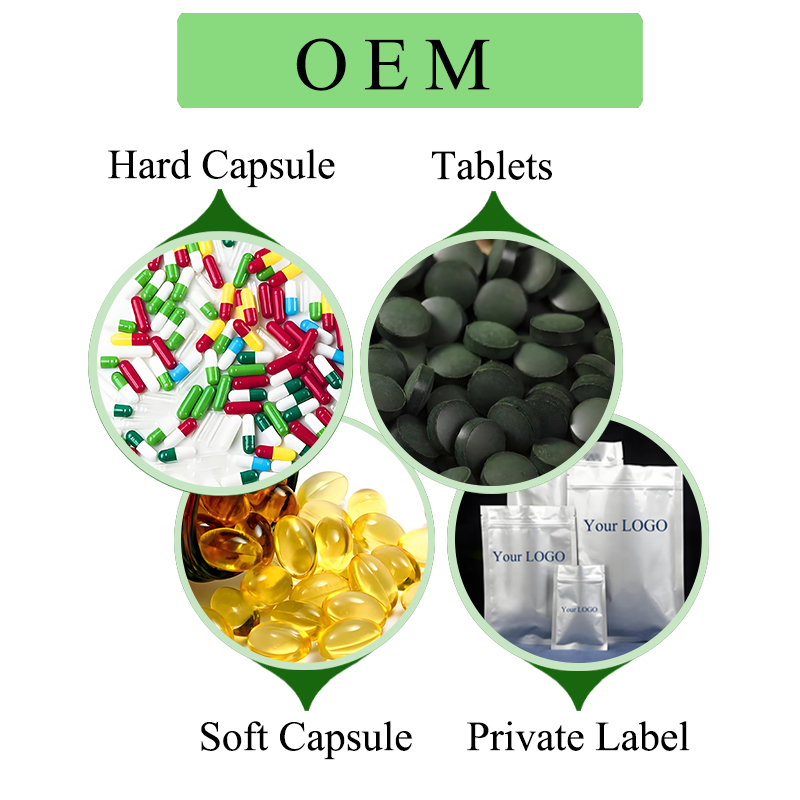
Custom EPA:DHA ratios and concentrations, softgel encapsulation, private-label omega-3 programs, and packaging built to your specification.
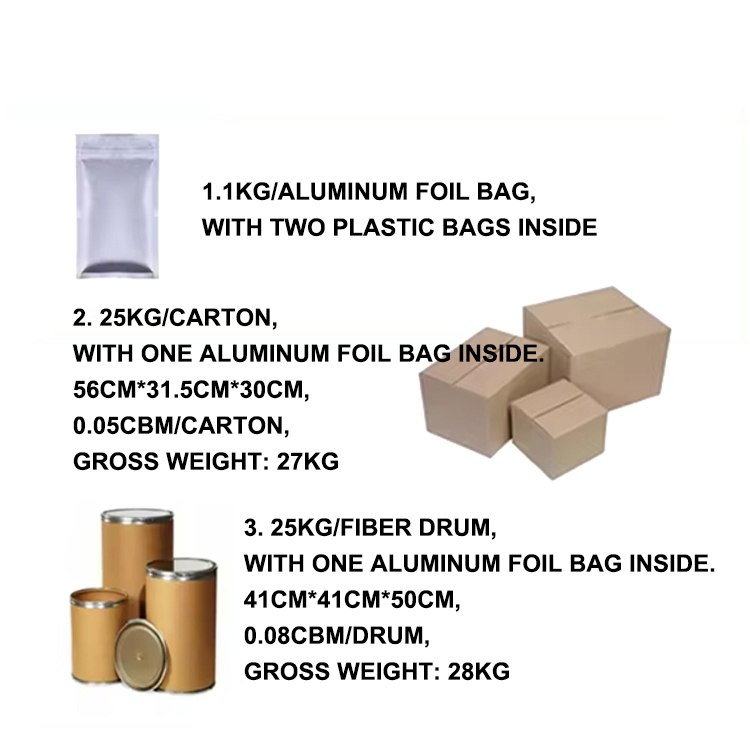
SECURE PACKAGING
190 kg nitrogen-protected steel drums, four per pallet, sealed against oxygen and light. Smaller packs and custom drum configurations available on request.

STABLE SUPPLY & DELIVERY
Samples available for evaluation against your specification. Regular production of both grades, shipped from Qingdao, Shanghai, or Tianjin to your destination port.
TECHNICAL FAQ
Q1: What does 18/12 and 33/22 mean?
A: The numbers are the minimum EPA and DHA content in percent by weight. 18/12 means at least 18% EPA (180 mg/g) and 12% DHA (120 mg/g), with total omega-3 at 32% or above; 33/22 means at least 33% EPA and 22% DHA, with total omega-3 at 60% or above. Both are assayed by GC, and the measured values are reported on the COA.
Q2: Should I choose EE, TG, or rTG?
A: Ethyl ester (EE) is the standard form for concentrated omega-3 and is the most cost-efficient route to high EPA+DHA levels. Triglyceride (TG) and re-esterified triglyceride (rTG) return the fatty acids to their natural glycerol backbone and are often specified for premium positioning. Tell us your market and label intent, and we will quote the matching form.
Q3: How is oxidation and contamination controlled?
A: Every lot is tested for acid value (≤ 2.0 mg KOH/g), peroxide value (≤ 3.0 meq/kg), anisidine value (≤ 15.0), and Totox (≤ 19), along with heavy metals (Pb, As, Hg, Cd each ≤ 0.1 ppm), dioxins, furans, and PCBs. Results appear on the batch COA, and the oil ships in nitrogen-protected steel drums to hold those values through transit.
Q4: What are the packaging, storage, and shelf-life terms?
A: Standard supply is 190 kg nitrogen-protected steel drums, four per pallet, with smaller packs on request. Store cool and dry, away from heat, light, and odorous materials, with drums kept sealed. Shelf life is 24 months. Samples are available for evaluation, and shipments move from Qingdao, Shanghai, or Tianjin.