

Food Grade Malt Powder Malt Extract Powder for Bakery Beverage & Brewing
Malt Extract Powder
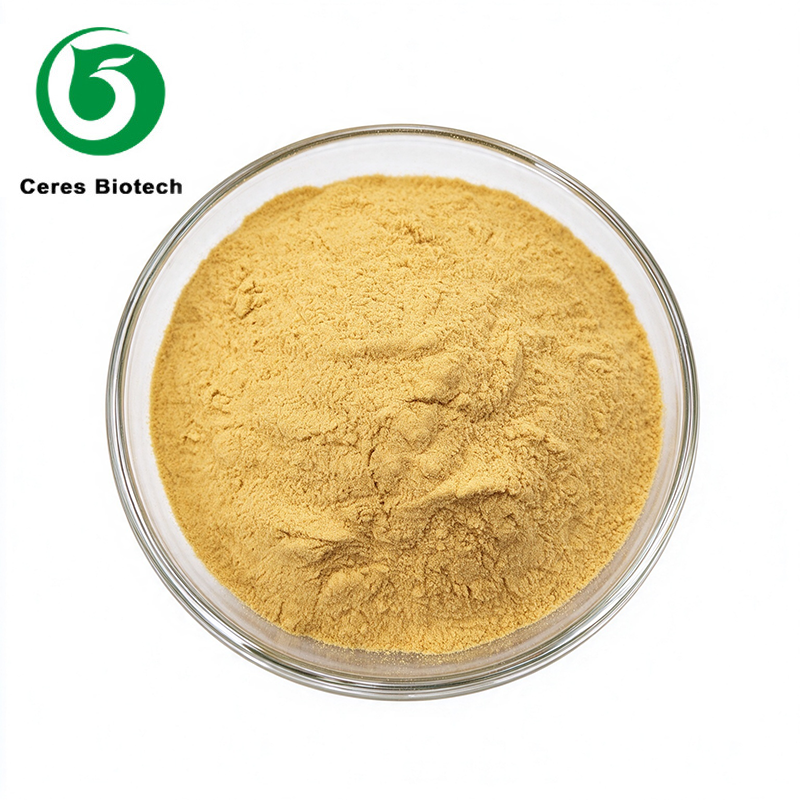
Much of what trades as malt powder is either milled malted grain or a starch hydrolysate. This grade is neither. It is the water-soluble extract of malted barley, carried through saccharification, filtration, concentration and drying — the route set out for malt extract under 21 CFR 184.1445. A protease is dosed during saccharification, which holds the protein fraction down and keeps the solution clear. The powder dissolves completely in water and delivers fermentable sugars, kilned colour and a clean malty nose.
Technical Specifications

Why Buyers Choose This Grade
A Defined Route, Not a Guess
Milling, saccharification, filtration, concentration and drying run in that order, on every batch.
Protease Treated at Saccharification
Lower protein carry-through and a clearer solution, which matters in drinks and brews.
Fully Water Soluble
Dissolves completely with no grit, so it suits liquid lines and dry blends alike.
Sugars Ready for Fermentation
The sugars are already in a form yeast takes up, so a dough or a wort starts without an extra sugar addition.
Gluten Declared Up Front
Barley origin, so a written allergen statement goes out with every destination file.
Export Packing as Standard
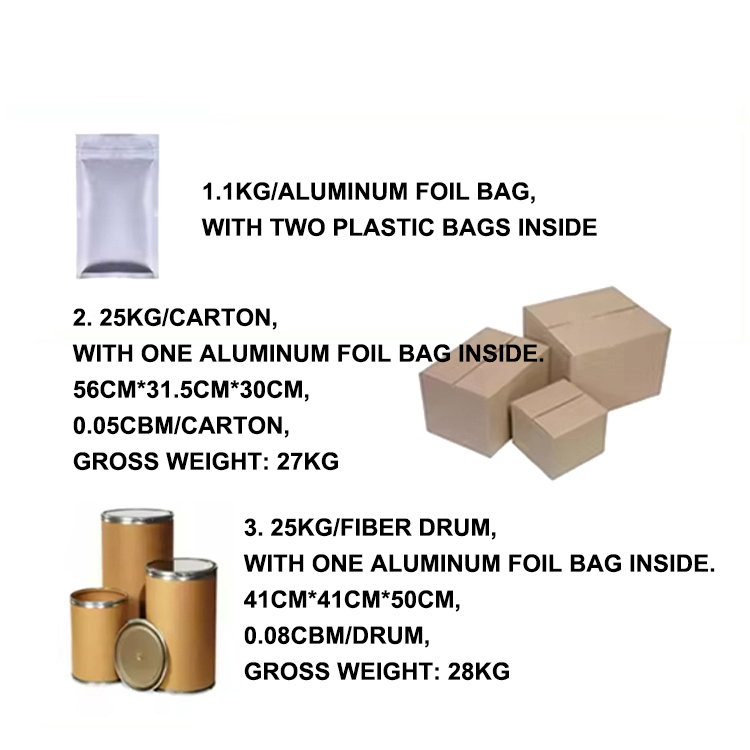
25 kg PE-lined paper bags on the pallet, with 1 kg foil samples for trial runs.
In the Formulation
Fermentable Sugar for the Yeast
The sugars in the extract are already fermentable and are taken up directly by yeast, so fermentation starts fast without a separate sugar addition. Bakers use it to feed the dough; brewers use it to lift gravity without changing the grain bill.
Colour and Crust Through Maillard
Reducing sugars and free amino acids react together in the oven, giving crust colour and toasted notes that a plain sugar cannot produce. The light amber band keeps that colour predictable from batch to batch.
Body, Flavour and Moisture Hold
The extract carries malt flavour compounds and adds mouthfeel in beverages and soft confectionery. It also holds moisture in baked goods and slows staling in the days after packing.
Where It Is Used

Bakery and Bakery Mixes
Bread, crackers, malt loaf and premixes. Typical inclusion runs 1 to 5% of flour weight, adjusted for the colour and sweetness the recipe calls for.
Malted Drinks and Drink Powders
Malted milk, cocoa mixes, instant beverage bases and ready-to-mix sachets. Fully soluble, so it drops straight into the dry blend without a dispersion step.
Brewing and Distilling
Used as a wort sugar and flavour component in beer, stout and distilling wash. Non-diastatic as standard, so it adds extract without shifting the mash programme.
Confectionery and Cereal Bars
Malt balls, nougat, caramel and bar coatings. It also resists crystallisation, which helps soft candy keep its texture through shelf life.
Supply, Packing and Documents

Bulk Packing
25 kg paper bags with a PE inner liner, palletised and stretch wrapped. 1 kg foil bags ship separately when a buyer wants a bench batch before committing.

OEM and Private Label
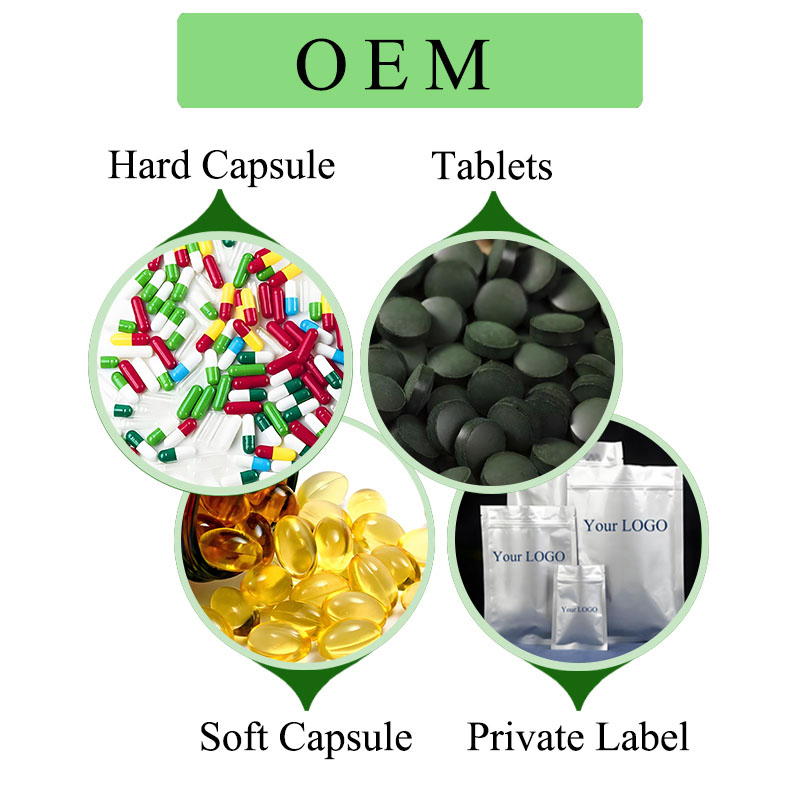
Bag artwork, batch coding and label text handled on our line for approved accounts. We can also blend to a specified colour band if your process needs a fixed target.

Documentation
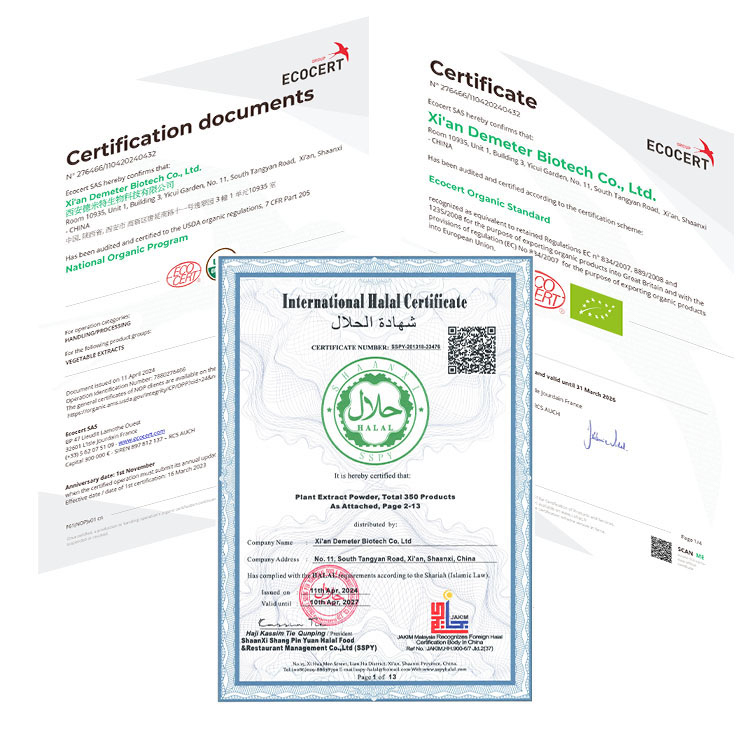
A lot COA covers moisture, ash, pH, mesh, metals and microbiology. TDS, SDS, allergen and GMO statements follow with it, which is usually what the label review asks for first.

Shipping
Sea or air to your discharge port, documents closed before the container leaves. The powder is hygroscopic, so bags travel sealed and pallets stay wrapped in transit.
Questions Buyers Ask Us
Is this malt extract or ground malted barley?
It is malt extract. Malted barley is mashed in water, the liquid is separated from the spent grain, then concentrated and dried. Ground malted barley keeps the whole kernel, starch included, and does not dissolve.
Why is a protease used, and does it remain?
The protease is dosed during saccharification to break down part of the protein, which lowers haze and improves clarity in the finished drink. It is a processing aid rather than an ingredient, so it does not appear in the ingredient list.
Does the powder contain gluten?
Yes. The raw material is barley, so the product is gluten-positive. Under EU 1169/2011 Annex II, barley and its products are declarable allergens, and malt extract is not one of the four exempted barley derivatives. A written allergen statement ships with each lot.
Is it diastatic?
The standard grade is non-diastatic: the drying step leaves little enzyme activity, so it contributes sugar, colour and flavour rather than converting starch. Diastatic grades are available on request if your process needs active amylase.
What documents ship with each lot?
A lot COA covering moisture, ash, pH, mesh, heavy metals and microbiology, plus TDS, SDS, an allergen statement and a GMO declaration. The allergen statement is normally the file a label review asks for first.
Can you supply smaller than a 25 kg bag?
Yes. 1 kg foil bags are kept for sampling and for trials. Bulk lots ship as 25 kg paper bags; drum or tote options can be quoted if your line needs a different format.