

Bulk Supply Pure Natural High Quality 10:1 20:1 Acacia Catechu Extract Powder
Acacia Catechu Extract 10:1 / 20:1 Ratio Powder
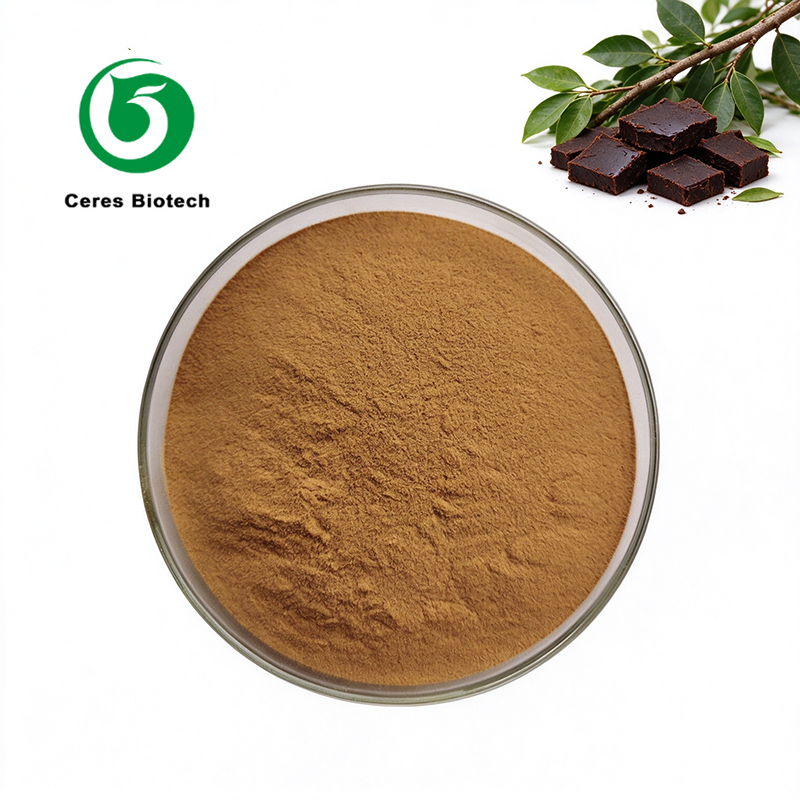
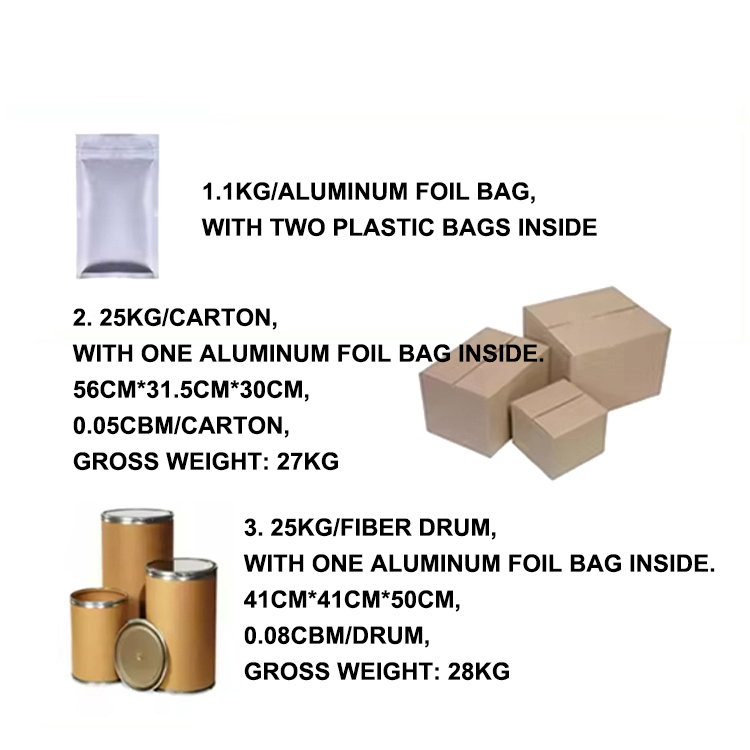
Acacia catechu extract is supplied as a ratio grade in two concentrations, 10:1 and 20:1, both drawn from the de-barked stem and branch wood of Acacia catechu (L.f.) Willd. Ten or twenty kilos of dried wood yield one kilo of powder, so the figure describes how much wood stands behind the weight rather than a catechin percentage. The powder is brown to dark brown, dissolves in water and hydro-alcoholic systems, passes 95% through 80 mesh and holds loss on drying under 5.0%. Heavy metals and microbiology are tested to identical limits on both ratios. Standard pack is a 25 kg fibre drum with a double LDPE liner, with 1 kg foil bags for trials.
Technical Specifications

Product Highlights
Functional Roles
Dosing by Wood Weight
A 10:1 or 20:1 basis lets a formulator convert extract grams back to dried wood grams without an assay table.
Colour Load
The extract carries the wood's own brown; both ratios build the same shade family, with 20:1 the lighter of the two.
Powder Handling
Milled to 95% through 80 mesh at 45–60 g/100 mL, so it blends without bridging in the hopper.
Industrial Applications

Volume Capsule Runs
For long production runs that need a repeatable wood basis rather than a fixed assay.
Leather & Hide Work
Acts as a vegetable tannin; the 20:1 grade is the usual pick where colour build must stay light.
Textile Dyeing
Builds brown to khaki shades on cotton and wool as a natural dyestuff.
Flavour & Oral Care Bases
Listed in the US as FEMA 2264 under 21 CFR 172.510; also used in paste and mouthwash systems.
Services & Packaging


Frequently Asked Questions
What does 10:1 or 20:1 actually mean?
Ten or twenty kilos of dried wood produce one kilo of powder. It is a weight relationship between raw herb and extract, not a catechin percentage.
Which of the two should I order?
10:1 suits formulas that want a heavier wood load per gram of powder; 20:1 suits those where the same mass should carry more extracted solids with less colour.
Do you report catechin content on this grade?
On request, per lot. This is a ratio extract rather than a standardized one, so the specification carries no fixed percentage and we do not print one.
Does the CAS differ between the two ratios?
No. Both fall under 8001-76-1 with EINECS 232-291-7. The ratio changes extraction yield, not the identity of the substance.