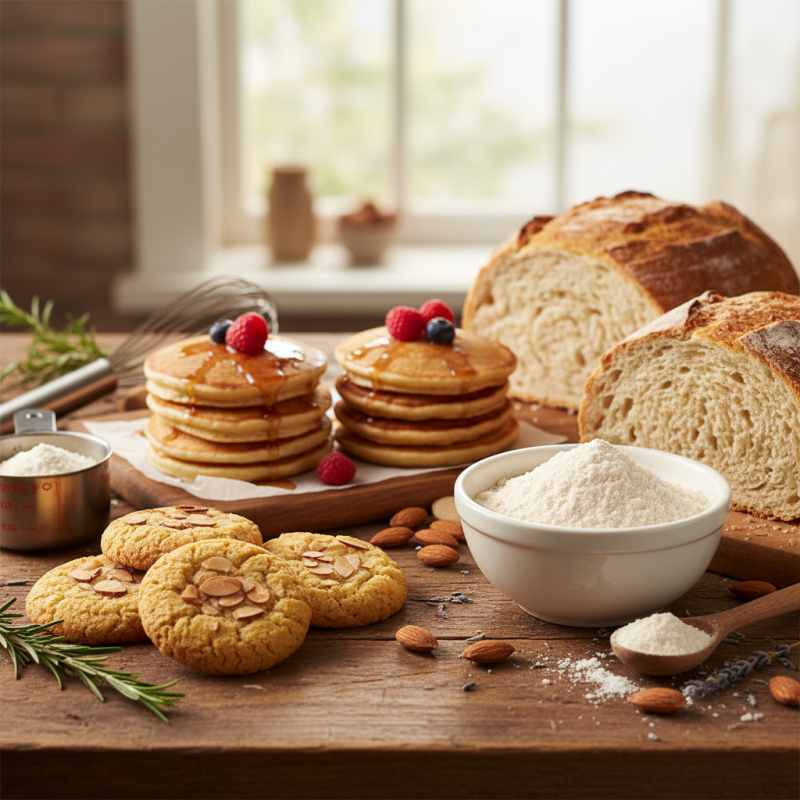
Hey, have you noticed how almond flour has become pretty popular among folks who care about their health? It’s such a great gluten-free option that actually adds a lovely, nutty flavor to baked goodies. Plus, it’s packed with nutrients and can give a nice boost to the texture of lots of recipes.
If you want to try it out, I recommend going for Organic Almond Flour. It’s awesome for making cookies, pancakes, or bread. Just a quick heads-up though—when you’re measuring, keep in mind that it behaves a bit differently than regular flour.
Getting comfortable with almond flour might take a little practice. You’ll probably need to tweak your recipes here and there to get the perfect consistency. Honestly, part of the fun is experimenting and figuring out what works best. So go ahead, enjoy the process and have fun creating some delicious dishes with this super versatile ingredient!
Understanding Almond Flour: Composition and Nutritional Benefits
almond flour is a favorite among health enthusiasts. It’s made from finely ground almonds. This flour is gluten-free and has a distinct nutty flavor. It’s rich in healthy fats, protein, and fiber. These nutrients make it a great choice for those looking to improve their diet.
When baking, almond flour can retain moisture well. This might be a challenge for some recipes that rely on traditional flours. It can be dense, so it’s wise to combine it with other flours when baking. Starting with a 1:1 ratio can help. This way, the texture won’t suffer too much.
Tips: Always sift almond flour before use. This prevents clumping. Experimenting with different recipes is essential. Some dishes may not turn out perfectly. However, each attempt teaches valuable lessons. Don’t hesitate to adjust ratios as you go along. Almond flour can transform a recipe, but it may require a few tries to nail it.
Types of Almond Flour Available for Baking and Cooking
When exploring almond flour options for baking and cooking, it's essential to understand the different types available. Some are made from blanched almonds. This type has a fine, smooth texture and works beautifully in cakes and cookies. It's often preferred for delicate baked goods. Almond Powder, on the other hand, contains the skins, giving it a coarser texture and a nuttier flavor. It can add depth to bread and muffins.
Another option is almond meal, which is typically less processed. It retains more of the nut’s fiber and nutrients. This makes it a great addition to savory dishes. The slightly gritty texture can enhance recipes like meatballs or veggie burger patties. However, using almond meal may require slight adjustments in liquid measurements to achieve the desired consistency.
A common mistake is assuming all almond flour types can be used interchangeably. It’s crucial to experiment. Sometimes, cakes made with almond meal can turn out denser than expected. Keep notes on your results, as this can refine your baking skills. Almond Powder can also absorb moisture differently, requiring a closer watch during baking.
How to Use Almond Flour in Baking and Cooking Recipes?
| Type of Almond Flour | Best Uses | Nutritional Benefits | Recommended Substitutions |
| Blanched Almond Flour | Cakes, Cookies, Muffins | High in Vitamin E, Low in Carbs | Replace all-purpose flour 1:1 |
| Unblanched Almond Flour | Breads, Pancakes | Rich in Fiber and Protein | Use in combination with other flours |
| Almond Meal | Crusts, Coatings | Contains Natural Oils, Nutrient-Dense | Use for breading and toppings |
| Almond Flour Blend | Pasta, Pizza Dough | Balanced Nutrient Profile | Substitute for half of traditional flour |
Substituting Almond Flour in Traditional Recipes
When substituting almond flour in traditional recipes, start by considering the differences in texture. Almond flour is coarser than all-purpose flour. This can affect the final outcome of baked goods. For instance, cookies may spread more. Adjusting the moisture content is crucial.
Tips: Reduce liquid ingredients slightly. This helps balance the density of almond flour. If a recipe calls for two cups of regular flour, use about one and a half cups of almond flour instead.
Not all recipes adapt well. Breads may not rise as expected. This is due to the lack of gluten in almond flour. Trying a mix of almond flour and another flour may yield better results. Experimentation is key. Measure carefully and take notes. This way, you can refine your technique over time.
Tips: Consider adding eggs or a binding agent. These can improve texture and cohesion in your baked goods. Pay attention to cooking times, as they might differ from traditional methods.
Almond Flour Usage in Baking: Comparison with Traditional Wheat Flour
Techniques for Properly Incorporating Almond Flour into Batters
Incorporating almond flour into your baking can be a rewarding experiment. Start by replacing a portion of regular flour with almond flour. A common ratio is 1:4, meaning one part almond flour to four parts all-purpose flour. This helps maintain the proper texture while adding a nutty flavor. However, overdoing it can result in dense baked goods. Keep an eye on consistency.
When mixing, keep it gentle. Almond flour is coarser than regular flour, and too much over-mixing can lead to undesirable results. This is where experience plays a role. Sometimes it takes a few tries to get that perfect batter. Thick batters can really benefit from almond flour, but be cautious with liquid ratios. Adding too much liquid can make the batter overly wet, leading to flat cookies or bread.
Remember to account for moisture. Almond flour has a higher fat content, which can change baking times. You might notice your cakes browning faster on the outside while remaining moist inside. It's important to check for doneness earlier than usual. Every oven behaves differently, so adjustments may be needed. Don't be discouraged by a few failed attempts; baking is often about learning through trial and error.
Adjusting Liquid and Dry Ingredients When Using Almond Flour
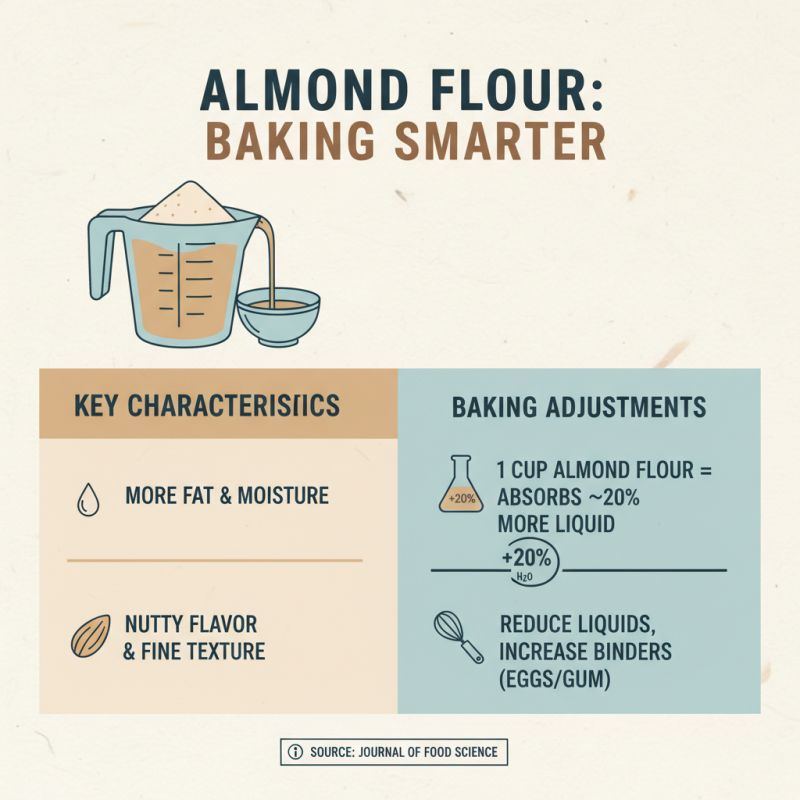
Almond flour is a popular alternative in baking and cooking. However, it requires adjustments in liquid and dry ingredients. Almond flour contains more fat and moisture than regular wheat flour, impacting the texture of baked goods. A study from the Journal of Food Science indicates that 1 cup of almond flour can absorb about 20% more liquid compared to all-purpose flour.
When using almond flour, reduce the amount of liquid in your recipe. A common recommendation is to decrease the liquid by one tablespoon for every cup of almond flour used. This ensures your dish isn’t too wet. Additionally, the nutty flavor can enhance your recipes, but it might overpower certain dishes.
Tips: Start by using a mix of almond flour and another flour to balance flavors. If your recipe calls for eggs, consider adding one extra egg for better binding. Also, watch the baking time. Almond flour can brown quickly, so keep an eye on it to prevent over-baking. Experimenting is key. Adjusting ingredients can lead to unexpected results and delightful surprises!
Popular Baking Recipes Featuring Almond Flour
Almond flour is a fantastic alternative in baking. It's gluten-free and adds a nutty flavor. Many bakers are experimenting with it in recipes. For cookies, almond flour creates a chewy texture that is hard to resist. Chocolate chip cookies made with almond flour can be a game-changer. The rich flavor pairs perfectly with chocolate, creating a delightful treat.
Muffins are another great option. Try a banana almond flour muffin for breakfast. It’s simple, healthy, and packed with flavor. The muffins come out moist and tender, making them hard to mess up. Just remember, almond flour can be dense. Sometimes, recipes require a bit of adjustment. Too much almond flour can lead to heavy results.
When working with almond flour, consider using eggs for binding. Sometimes, substitutions can lead to tricky results. Overmixing the batter can also ruin the texture. It's important to stay attentive. Baking becomes an experiment, and not every attempt will be perfect. Each recipe offers a learning opportunity, allowing for growth and creativity in the kitchen.
Tips for Storing Almond Flour for Freshness and Longevity
When it comes to almond flour, proper storage is crucial for maintaining its freshness and quality. Almond flour contains more oil than regular flour, making it prone to rancidity. According to data from the USDA, storing almond flour at room temperature can shorten its shelf life to just a few weeks. For optimal freshness, it is recommended to keep almond flour in an airtight container in the refrigerator. This can extend its shelf life up to six months.
Freezing is another effective method. A study published in the Journal of Food Science suggests that almond flour can last up to a year if stored in a freezer. It’s essential to use moisture-proof bags when freezing to prevent freezer burn. When you're ready to use it, simply allow it to come to room temperature to maintain its texture. While some might forget to check for rancidity, trusting your senses can be helpful. If there’s an off smell, it’s better to discard it.
Labels should be clear and date-stamped. This helps in tracking how long the flour has been stored. Regularly evaluating your supplies can prevent waste. Almond flour can be a bit finicky, but with some attention to detail, you can enjoy its benefits in baking and cooking.
Exploring the Nutritional Benefits and Market Trends of Pure Natural Organic Bulk Almond Flour Powder: Insights from Recent Industry Reports
In recent years, there has been a notable increase in the demand for pure natural organic bulk almond flour powder, driven by the rising popularity of plant-based diets and health-conscious consumers. This fine off-white powder, derived from ground almonds, boasts an impressive 60% protein content, making it an excellent option for those seeking nutritious alternatives to traditional flour. Its versatility allows for a wide range of applications in food products, drinks, and dietary supplements, catering to a diverse market segment.
The nutritional benefits of almond flour powder are substantial, offering high levels of essential vitamins and minerals along with healthy fats. Its gluten-free nature also positions it well in the growing gluten-free consumer base. Industry reports indicate a robust market trend, with prices ranging from 5.4 to 13.5 USD per kilogram, making it accessible for both small scale and large-scale manufacturers. Moreover, the availability of various certifications such as HACCP, ISO22000, and USDA Organic further underscores its quality and safety, reassuring consumers of its purity and organic status. This aligns with the broader trend of transparency and health that modern consumers increasingly prioritize.
FAQS
: It includes portability, ease of use, and user-friendly design. Each feature enhances the overall experience.
Regular practice is key. Set achievable goals and review your progress often. Growth takes time and patience.
Yes, users can adjust settings. Personal touches can enhance functionality. Explore different configurations to find what you like.
Start by reading the manual. Troubleshooting sections may offer quick solutions. If problems persist, consider reaching out for support.
Yes, often users overlook basic setup steps. Double-check connections and follow instructions closely. It’s easy to miss details.
Absolutely! Joining support communities can be beneficial. Sharing experiences and tips can accelerate your learning.
Unique design elements set it apart. Its functionality might cater to specific needs, making it easier for some tasks.
Daily practice is ideal. Even short sessions can be effective. Consistency is more important than the duration of practice.
Conclusion
Almond Flour is a popular alternative to traditional wheat flour in baking and cooking, known for its unique composition and nutritional benefits, including healthy fats, protein, and fiber. Understanding the different types of almond flour available is crucial for successful incorporation into recipes. When substituting almond flour in traditional recipes, adjustments to liquid and dry ingredients may be necessary to achieve the desired texture and consistency.
Proper techniques for blending almond flour into batters enhance the final product, and several popular baking recipes can highlight its versatility, from muffins to cookies. To maintain freshness and longevity, it is important to store almond flour correctly, ensuring it remains a staple in your kitchen for various culinary endeavors.