In the world of herbal supplements, things are always changing, but one thing's pretty clear — standardized extracts really matter. I mean, even herbal expert Dr. John St. Clair emphasizes that good quality and consistency in these extracts can make a real difference in how well they work. That’s why using standardized extracts is such a big deal in the industry.
Lots of people are looking for reliable options to support their health. Take Ilex Kudincha Extracts, for example — they’re known for high quality and meet pretty strict standards. For anyone curious about herbal remedies, these kinds of products can really give some peace of mind. But, honestly, with so many options out there these days, it can get pretty confusing. Not all extracts are the same, and it’s easy to feel overwhelmed trying to figure out what’s legit.
Getting trustworthy info is super important. The whole process of standardization can seem complicated, and it’s easy to get lost in the details. That’s why it’s a good idea to do some research and ask questions about what brands are claiming. Being a bit more informed can actually make your experience with these extracts way better — you’ll know you’re making smarter choices, and that makes all the difference.
Understanding Standardized Extracts: Definition and Importance
Standardized extracts are crucial in herbal medicine and nutritional supplements. They refer to plant extracts that have been processed to contain a specific amount of active ingredients. This standardization ensures the efficacy and consistency of the extract, making them an important choice for consumers. The use of techniques such as HPLC (High-Performance Liquid Chromatography) helps measure these active constituents accurately. This testing determines the quality and strength of the extract, allowing for reliable usage.
Understanding standardized extracts is vital for anyone seeking natural remedies. These extracts often undergo rigorous testing, ensuring they deliver the expected benefits. However, it is essential to remain cautious. Not all products labeled as standardized are produced equally. Variability can occur in sourcing, processing, and testing methods. Thus, consumers must seek transparency from manufacturers regarding their testing protocols and ingredient sourcing. Misunderstanding these details can lead to disappointment or even adverse effects.
Incorporating standardized extracts into your routine can be beneficial, but informed choices are necessary. The importance lies not just in the extracts themselves, but in understanding their origins and testing methods. A detailed look into the manufacturing process reflects the quality and potential health benefits of products. This scrutiny fosters a deeper appreciation for the power of nature, and it encourages ongoing dialogue about what constitutes high-quality herbal products.
Criteria for Evaluating High-Quality Standardized Extracts
When assessing high-quality standardized extracts, there are key criteria to consider. First, look for clear labeling of the active compounds. A quality extract should specify its concentration, such as "Standardized Vitexin 0.5%". This transparency enables consumers to make informed decisions.
Secondly, the source of the raw materials is crucial. High-quality extracts should come from reputable suppliers who use sustainable practices. Understanding their extraction methods is also essential. Some processes may retain more beneficial compounds than others. Quality control is often overlooked, but it should never be underestimated. Look for extracts that undergo rigorous testing for purity and potency.
Lastly, seek out third-party certifications. These endorsements can enhance credibility. However, it's important to know that certification does not always guarantee quality. Sometimes, consumer testing reveals discrepancies in what's promised versus what’s delivered. Always remain critical and do thorough research before choosing a product.
Top 10 High-Quality Standardized Extracts You Should Know
When exploring high-quality standardized extracts, it's essential to focus on their potency and efficacy. According to a study by the National Institute of Health, a quality extract should contain a consistent percentage of active compounds. For instance, extracts that are standardized to contain at least 80% active components often yield better results in clinical studies. This consistency is crucial for ensuring the extracts provide predictable benefits.
Additionally, the extraction method plays a significant role in the quality. Recent data from the Herbal Medicine Journal emphasizes that methods like supercritical CO2 extraction preserve more bioactive compounds compared to traditional methods. This results in extracts that not only taste better but also deliver heightened therapeutic effects. However, it’s worth noting that not all standardized extracts are created equal. Some may claim to be high quality while lacking rigorous testing.
Moreover, consumers should approach the market with a discerning eye. A report by the Global Organization on Supplement Quality indicates that up to 30% of herbal products may contain fillers or adulterants. This raises a critical issue regarding transparency and quality assurance in the industry. Always look for independent testing or certification to ensure the extract's authenticity and effectiveness. Such caution is necessary amidst the diverse and sometimes misleading options available today.
Benefits of Using Standardized Extracts in Health Supplements
Standardized extracts are becoming popular in health supplements. These extracts provide a consistent level of active ingredients. This consistency is crucial for achieving reliable health benefits. For instance, Standardized Turmeric Extract 95% is well recognized for its anti-inflammatory properties. The controlled potency helps users experience the full benefits of turmeric.
Using standardized extracts may enhance safety and efficacy in supplements. When consumers know what they are taking, it builds trust. However, there are challenges in understanding the quality of these extracts. Not all manufacturers follow the same guidelines. Variations can lead to confusion among users. Rigorous quality checks are essential to ensure that products meet high standards, aligning potency with consumer expectations.
The benefits of standardized extracts extend beyond efficacy. These products often have well-researched effects, making them a better choice. Nevertheless, it's crucial to verify claims and select reputable suppliers. Users should always consult healthcare professionals before starting any new supplement. Despite their strengths, standardized extracts are not a one-size-fits-all solution for everyone's health needs.
Commonly Used Plants for Standardized Extracts
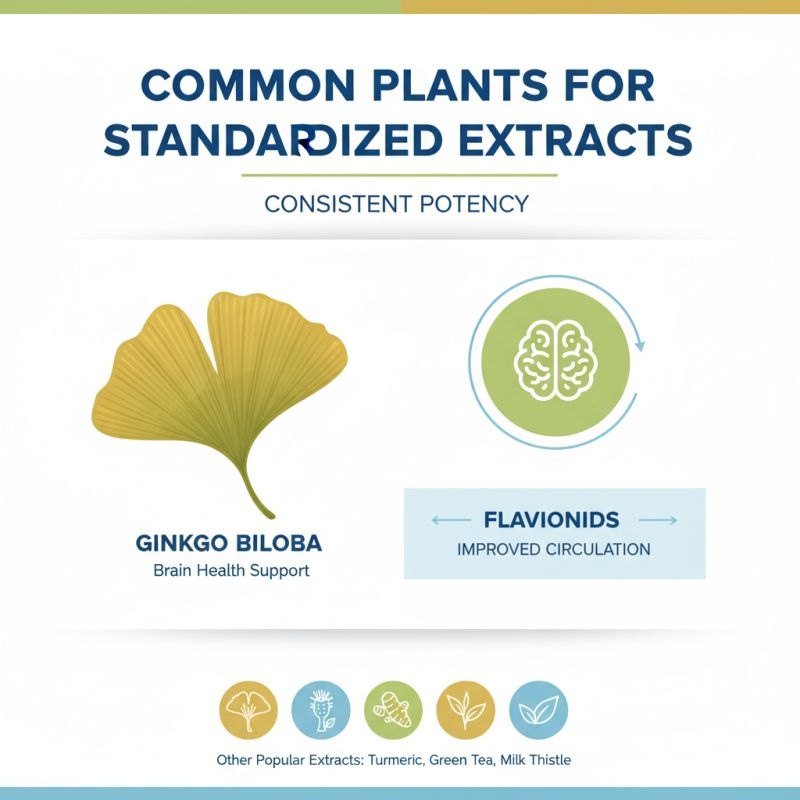
Standardized extracts are gaining popularity due to their consistent potency. Many plants are commonly used to create these extracts. For instance, ginkgo biloba is well-known for supporting brain health. Its leaves are rich in flavonoids, which are believed to improve circulation.
Another frequently used plant is turmeric. Curcumin, its active compound, has potent anti-inflammatory properties. Many people add turmeric to their diets for its health benefits. However, the effectiveness of extracts can vary based on preparation methods. Not every Turmeric Extract has the same potency.
Both ginger and milk thistle also provide valuable health benefits. Ginger is often used for digestive support, while milk thistle is recognized for liver health. It's essential to research the source and quality of these extracts. Quality control can be inconsistent across the industry. Therefore, consumers should choose reputable suppliers to ensure they receive effective products.
How to Choose the Right Standardized Extract for Your Needs
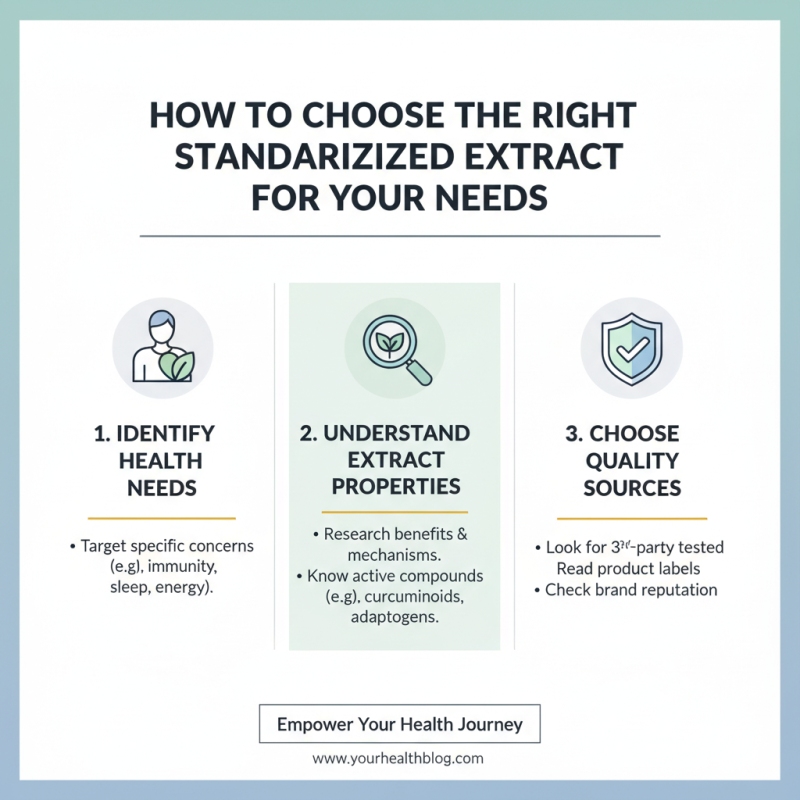
Choosing the right standardized extract requires careful consideration. You need to identify your specific health needs. Different extracts offer unique benefits, so understanding their properties is crucial. Look for reputable sources that provide detailed information about the active compounds.
When selecting an extract, check the extraction method. Many high-quality extracts use cold-pressing or solvent-free procedures. These methods preserve the vital components of the plants. It's wise to avoid extracts that lack transparency regarding their extraction process.
**Tip:** Pay attention to the label. Look for standardized extracts that specify the percentage of active ingredients. This indicates the potency and effectiveness.
Quality also hinges on sourcing. Prefer extracts derived from organic and sustainably farmed plants. This ensures no harmful chemicals are involved. Truly effective extracts often come from robust quality control processes.
**Tip:** Research the sourcing practices. This will enhance your confidence in the product you choose. Remember, sometimes high pricing doesn't guarantee high quality.
In your quest for the right extract, be skeptical of overly ambitious claims. Powerful marketing may not align with actual benefits. Take your time to compare options and consult health professionals if necessary.
Potential Side Effects and Considerations of Standardized Extracts
When considering Standardized Botanical Extracts, it is crucial to understand their potential side effects. Studies indicate that some extracts can cause gastrointestinal issues, headaches, or allergic reactions in sensitive individuals. For example, certain herbal extracts, when taken in high doses, might lead to liver toxicity. Carefully assessing the source and dosage is vital for health safety.
Tips: Always consult a healthcare professional before integrating new extracts into your routine. Individual responses can vary widely, even with standardized products.
Moreover, the quality of standardized extracts matters immensely. The extraction process, quality of the plant material, and concentration levels determine their effectiveness and safety. Some anecdotal reports suggest that over-reliance on these extracts may overlook the importance of a balanced diet. It raises questions about whether consumers are using these products as a replacement for proper nutrition.
Tips: Keep a journal of any changes in your body when trying new extracts. This practice can help identify any adverse reactions over time.
Top 10 High Quality Best Standardized Extracts Quotes You Need to Know
| Extract | Standardization | Potential Benefits | Potential Side Effects | Considerations |
| Ginkgo Biloba | 24% Flavone Glycosides | Cognitive Enhancement | Headache, Dizziness | Avoid before surgery |
| Turmeric | 95% Curcuminoids | Anti-inflammatory | Stomach Upset | Not suitable for gallbladder conditions |
| Green Tea | 50% EGCG | Antioxidant Properties | Insomnia | May interact with anticoagulants |
| Ashwagandha | 5% Withanolides | Stress Reduction | Nausea | Consider dosage for thyroid issues |
| Rhodiola Rosea | 3% Rosavin | Enhanced Vitality | Dry Mouth | Avoid in bipolar disorder |
| Milk Thistle | 80% Silymarin | Liver Support | Diarrhea | Consult if pregnant |
| Garlic | 1.3% Allicin | Heart Health | Bad Breath | Potential blood thinning |
| Holy Basil | 2% Ursolic Acid | Adaptogen | Low Blood Sugar | Not for diabetics without supervision |
| Coenzyme Q10 | 100 mg per capsule | Energy Production | Digestive Issues | Consult if on blood pressure medications |
| Cinnamon | 10% Polyphenols | Blood Sugar Control | Allergic Reactions | Consult if diabetic |
FAQS
: Standardized extracts are plant extracts processed to contain specific amounts of active ingredients.
They ensure efficacy and consistency, making them reliable choices for consumers seeking natural remedies.
Techniques like High-Performance Liquid Chromatography (HPLC) accurately measure these active constituents in extracts.
Not all products labeled as standardized are equal. Variability in sourcing and processing can affect trust.
Seek transparency about testing protocols and ingredient sourcing to avoid disappointment.
They enhance safety and efficacy, but they are not a one-size-fits-all solution for health needs.
Rigorously check for quality, verify claims, and select reputable suppliers before use.
Yes, consulting healthcare professionals is advisable before starting any new supplement.
Misunderstanding can lead to disappointment or unwanted effects, so clarity is essential.
It reflects the quality and potential health benefits, influencing consumer trust and decision-making.
Conclusion
Standardized extracts are concentrated plant extracts that provide consistent levels of active ingredients, making them essential in health supplements. Understanding the definition and significance of standardized extracts is crucial for evaluating their quality. High-quality standardized extracts can be identified by specific criteria, including purity, potency, and sourcing. The article highlights ten of these superior extracts that are particularly noteworthy, and discusses the numerous benefits of incorporating them into health regimens.
Additionally, it outlines commonly used plants for standardized extracts, emphasizing the importance of choosing the right extract based on individual health needs and considerations. While these extracts offer various health benefits, users should also be aware of potential side effects and necessary precautions.