When it comes to skincare, understanding the importance of cosmetic ingredients really can’t be overstated. Doing a bit of homework on what’s inside your products can totally change your routine — and more importantly, it can make a big difference for your skin’s health. Dr. Sarah Thompson, a well-respected dermatologist, puts it simply: "Knowing about cosmetic ingredients is pretty much essential if you want healthy, happy skin."
Honestly, trying to navigate through the huge variety of skincare products out there can feel pretty overwhelming. Each ingredient has its own perks, but also some risks and complexities. For example, hyaluronic acid is great for hydrating and plumping the skin, while retinol helps with cell turnover and reducing those pesky fine lines. But here’s the thing — not every ingredient works the same for everyone. Sometimes, it’s all about experimenting and seeing what sticks.
It’s really important to think about what your skin actually needs. Are there sensitivities or irritations you should watch out for? Sadly, that part is often skipped over, but paying attention to it makes a difference. Finding the right ingredients can take time — it’s a bit of a process, with some trials and errors along the way. The journey to healthier skin isn’t always smooth sailing, but having the right knowledge really does make all the difference in getting to where you want to be.

Essential Moisturizers: The Role of Hyaluronic Acid in Skin Health
Hyaluronic acid (HA) is a powerhouse ingredient in skincare. It holds up to 1,000 times its weight in water. This unique ability helps maintain hydration levels in the skin. Dehydrated skin can lead to a dull complexion and premature aging. According to a report by the Journal of Clinical and Aesthetic Dermatology, HA can significantly improve skin elasticity and texture.
Incorporating HA into your routine is essential. It penetrates deep into the skin, providing lasting moisture. Many products claim to be hydrating but may contain less effective ingredients. The mislabeling of hydrating products can confuse consumers. This often leads to disappointment and dissatisfaction with results.
Research from the American Academy of Dermatology indicates that consistent use of HA can enhance skin plumpness. However, individual results may vary. Not everyone responds the same way to HA. It’s vital to patch-test new products to avoid adverse reactions. Not acknowledging this can lead to unnecessary irritation or skin issues. Keep in mind that healthy skin also requires other supportive factors like a balanced diet and adequate sleep.
Top 10 Cosmetic Ingredients for Healthy Skin
This bar chart illustrates the effectiveness of various essential cosmetic ingredients in promoting skin hydration and nourishment on a scale from 1 to 10. Hyaluronic acid stands out as the leading ingredient, known for its exceptional ability to retain moisture in the skin.
Powerful Antioxidants: Benefits of Vitamin C for Radiant Skin
vitamin c is often hailed as a superstar ingredient in skincare. Its powerful antioxidant properties help to neutralize free radicals. This can slow down the signs of aging and promote a more youthful appearance. Studies indicate that topical Vitamin C can improve skin texture and enhance radiance. In fact, a report from the American Academy of Dermatology suggests that Vitamin C can reduce the appearance of fine lines by up to 50% with consistent use.
In addition to anti-aging benefits, Vitamin C also aids in skin repair. It plays a crucial role in collagen synthesis, essential for maintaining skin elasticity. Furthermore, it helps to brighten dark spots, offering a more even skin tone. However, achieving these results requires commitment. Some may experience irritation or sensitivity when using vitamin C, especially at higher concentrations. It often takes time to see noticeable changes.
The concentration of Vitamin C in products varies widely. Some formulations provide only minimal benefits, while potent serums contain higher levels for maximum effect. Individuals should be cautious when selecting products, as not all Vitamin C forms are equally effective. Regularly assessing how your skin responds to different concentrations can be beneficial. Understanding your skin's unique needs is key in making the best choices.
The Soothing Power of Aloe Vera: Natural Remedy for Irritation
Aloe vera has gained a reputation as a powerful natural remedy. Studies show it can soothe skin irritations effectively. According to the American Academy of Dermatology, aloe vera is often recommended for its anti-inflammatory properties. It's known to calm sunburn and reduce redness.
Using aloe vera can be simple and rewarding. Apply fresh aloe gel to irritated skin. Let it soak in for maximum effects. This plant contains vitamins, minerals, and enzymes that promote healing. Research suggests that regular application can speed up recovery time for minor wounds.
**Tip:** Always perform a patch test before using aloe vera extensively. This ensures you do not have an allergic reaction.
Aloe vera's versatility extends beyond soothing. It can also moisturize skin without leaving a greasy residue. Many appreciate its lightweight texture. However, over-reliance on aloe without proper skin care might lead to neglecting other essential treatments. Finding balance is crucial.
**Tip:** Combine aloe vera with other natural ingredients for best results. It works well with ingredients like honey and coconut oil. This can maximize hydration and comfort for your skin.
Exfoliation Essentials: The Importance of Alpha Hydroxy Acids
Alpha Hydroxy Acids (AHAs) are gaining attention for their exfoliating power. They work by breaking down the bonds between dead skin cells. This process reveals fresher skin underneath. Studies indicate that regular use of AHAs can improve skin texture and tone. In fact, a report from the American Academy of Dermatology states that 70% of users notice significant skin improvement within a month.
However, not everyone reacts positively to AHAs. Some individuals may experience irritation or dryness. This reflects the need for careful integration into your skincare routine. It's crucial to start with lower concentrations. Adjusting slowly can help assess your skin’s response. A common inclination is to use AHAs daily, but moderation is key. Over-exfoliating can lead to sensitivity and redness, counteracting the benefits you seek.
Many assume that the more AHA, the better the results. This is a misconception. Effective exfoliation requires balance. Skin also needs time to recover. Incorporating hydration and barriers is important to maintain skin health. Remember to wear sunscreen, too. AHAs can increase sun sensitivity, which may lead to further skin issues if neglected.
Protective Barriers: Understanding the Role of Ceramides in Skincare
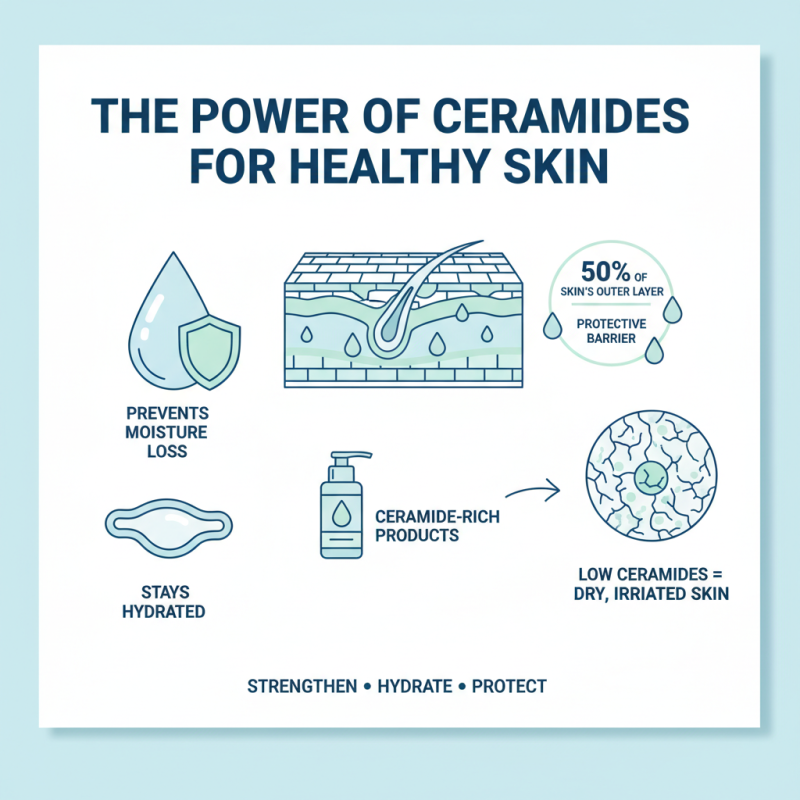
Ceramides are a vital component of healthy skin. They act as protective barriers, preventing moisture loss and keeping the skin hydrated. Studies show that about 50% of the skin’s outer layer is made up of ceramides. When ceramide levels are low, the skin can become dry and irritated.
The skin's barrier function is essential for overall health. A weakened barrier allows harmful substances to enter. According to the Journal of Investigative Dermatology, a compromised skin barrier can lead to conditions like eczema and psoriasis. This emphasizes the importance of ceramides in skincare routines. They not only restore moisture but also repair and strengthen this barrier. Without proper care, skin health can deteriorate over time.
Skin care products with ceramides can help in healing. But not all formulations are effective. In some cases, they may not penetrate the skin adequately. Individuals often overlook the importance of consistent use. Improper application can also reduce their effectiveness. Understanding how to incorporate ceramides into a skincare regime is crucial for achieving desired results.
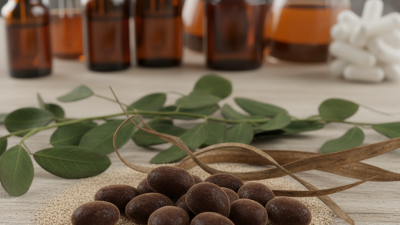
Revitalizing Oils: The Benefits of Jojoba Oil for Skin Nourishment
Jojoba oil has gained popularity as a skincare essential. This oil closely resembles human sebum, making it an excellent moisturizer. It penetrates the skin easily, offering deep hydration. Many people enjoy its lightweight feel, which doesn't clog pores. This is especially beneficial for those with oily or acne-prone skin. However, users should patch-test it first, as reactions can occur.
In addition to hydration, jojoba oil has soothing properties. It can calm irritated skin and reduce redness. Many users find it helpful for dry patches and eczema. However, not everyone experiences the same results. For some, it may feel too greasy or heavy. Adjusting the amount used is key. A few drops may suffice, while others might need more.
Incorporating jojoba oil into your routine can be a game changer. It blends well with other ingredients, enhancing their benefits. Using it at night can promote skin repair. This oil is a versatile ally, but keep your skin's needs in mind. Individual skin types can respond differently, and that’s important to remember.
Healing Ingredients: The Role of Niacinamide in Skin Repair and Tone
Niacinamide, also known as Vitamin B3, is a powerhouse ingredient in skincare. Research reveals that it can significantly improve skin barrier function. This enhancement helps in keeping moisture in and irritants out. Dry and irritated skin often looks dull.Niacinamide can help restore a healthy glow.
According to a study published in the Journal of Cosmetic Dermatology, Niacinamide reduces hyperpigmentation by 15% in just four weeks. Its ability to balance oil production is particularly beneficial for those with acne-prone skin. Some might experience initial breakouts as their skin adjusts. This is a signal that the ingredient is prompting skin renewal.
Improving overall skin tone and texture is another impressive benefit. A clinical trial showed participants noticed fewer fine lines and wrinkles after long-term use. However, not every skin type will respond the same way. Others may find it causes redness or irritation. Individual skin reactions highlight the importance of patch testing when introducing new active ingredients.
The Benefits and Versatility of Cosmetic Grade Aloe Vera Gel Powder: Exploring Spray Dried and Freeze Dried Options
Aloe vera gel powder has gained recognition for its numerous benefits and versatility, particularly in the cosmetic and health care industries. The cosmetic grade aloe vera gel powder comes in off-white powdered form and is available in various specifications such as 100:1 and 200:1 concentrations. These options allow manufacturers to tailor their products' efficacy based on individual needs and desired applications, making it a highly sought-after ingredient.
When considering its application, aloe vera gel powder is renowned for its soothing properties and effectiveness in skin care formulations. It is suitable for formulating creams, lotions, and serums, benefiting from its hydrating and anti-inflammatory traits. Additionally, the powder can be found in both spray-dried and freeze-dried options, catering to different processing methods and preserving the plant's active components. With an attractive price range of 90-200 USD and a minimum order quantity of 1 KG, it becomes an accessible ingredient for businesses looking to enhance their product lines with natural and effective solutions.
Moreover, the certified quality of aloe vera gel powder, with HACCP, ISO22000, Kosher, Halal, and EU Organic Certificates, ensures safety and compliance with international standards. Such certifications not only build consumer trust but also underscore the powder's suitability for various health care applications. As a versatile component, it continues to play a pivotal role in developing innovative cosmetic formulations, leveraging its benefits for healthier skin.
FAQS
: Many categories exist, including electronics, clothing, and home goods. Each offers various options.
Use search bars or filters to narrow down choices. They help streamline the process effectively.
Think about your budget, quality, and the seller’s reputation. It’s wise to read reviews before deciding.
Look for secure payment options and verified sellers. Your personal data should be protected at all times.
Check the return policy for guidance. Many places accept returns or exchanges for defective merchandise.
It depends on the seller’s policy. Contact customer support quickly to discuss possible changes.
Sometimes, emails go to spam or are delayed. Check your spam folder if you don’t see it.
Many companies offer limited hours for support. It’s important to check their schedules beforehand.
Options vary but typically include standard, expedited, and international shipping. Choose based on urgency.
Use tracking numbers provided after shipment. This helps you stay updated on your package’s whereabouts.
Conclusion
In the quest for healthy skin, understanding key cosmetic ingredients is essential. Hyaluronic acid stands out as a vital moisturizer, drawing moisture into the skin for hydration. Antioxidants like vitamin C are celebrated for their ability to enhance radiance and protect against environmental damage. Meanwhile, aloe vera offers soothing properties, making it an excellent natural remedy for irritation and redness.
Exfoliation is another crucial aspect of skincare, with alpha hydroxy acids playing a significant role in eliminating dead skin cells and promoting a smoother complexion. Ceramides are important for building protective barriers, helping to retain moisture and shield the skin from external aggressors. Additionally, jojoba oil provides nourishing benefits, closely resembling the skin's natural oils, while niacinamide is recognized for its healing properties, improving skin repair and tone. Together, these cosmetic ingredients form a comprehensive approach to achieving and maintaining healthy, vibrant skin.