When you're trying to pick out the best matcha powder from China, experience really counts. John Doe, who's pretty well-known in the matcha scene, says, “Quality and authenticity are everything when it comes to choosing matcha.” The world of matcha—especially ceremonial and organic kinds—can be pretty vibrant and complex, so you need to have a keen eye.
With so many suppliers out there, it can be tricky to tell a top-notch matcha from the cheaper stuff. Lots of factories claim to have the best matcha around, but honestly, not all of them meet the standards true matcha lovers look for. If you’re paying attention, the bright green color and fine, smooth texture are usually good signs you’re onto something high-quality.
Keep in mind, the quality can really vary between brands. It’s worth digging into how each company sources their matcha—because, let’s be honest, some folks might not pay much attention to where it’s coming from. That uncertainty can lead to disappointment later on. So, do your homework and make informed choices—your taste buds and your health will thank you for it!
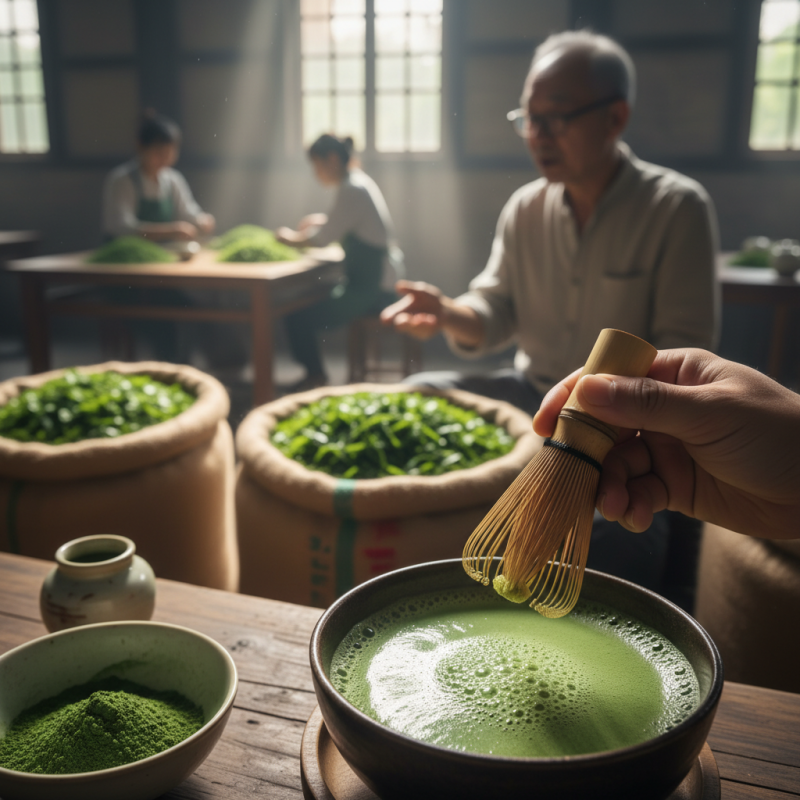
Factors to Consider When Selecting Matcha Powder from Chinese Factories
When selecting Matcha Green Tea Powder from Chinese factories, quality is paramount. Look for vibrant, bright green hues. A vivid color indicates high chlorophyll content. This often correlates with freshness and superior taste. Dull or yellowish powder might suggest aging or lower quality leaves.
Taste and aroma are essential factors. Freshly harvested Matcha should have a creamy, sweet flavor. Bitter notes may indicate poor processing or inferior quality. Investing time in tasting samples can lead to better choices. The texture matters too; a fine, smooth powder is ideal. If you notice grit, reconsider your selection.
Check the source of the leaves used in production. Authentic Matcha comes from shade-grown tea plants, which enhance their quality. Research farms or suppliers to ensure transparency. Packaging is another important detail. Proper sealing keeps the Matcha Green Tea Powder fresh. Be cautious of poorly packaged products. They may lose flavor and nutrients quickly. A good balance of price and quality is also vital. Sometimes, cheaper options can lead to regrets later.
Understanding Different Grades of Matcha and Their Characteristics
When choosing matcha powder, understanding different grades is crucial. The quality of matcha is influenced by factors like shade, leaf part, and processing. Generally, matcha falls into three main grades: ceremonial, culinary, and premium. Ceremonial grade is vibrant and smooth, ideal for traditional tea ceremonies. Culinary grade has a stronger flavor, suited for baking and cooking.
Reports show that premium matcha comes from younger leaves, yielding a delicate, rich taste. A 2021 study noted that top-grade matcha contains higher levels of chlorophyll and amino acids. It is essential for health benefits, including antioxidants. Not all sellers provide clear information about their products. Hence, doing research is necessary.
To choose the best matcha, consider its color, aroma, and packaging. Bright green powder indicates freshness and high quality. Always look for a detailed source description. Avoid matcha that appears dull or yellowed. Remember, taste and the right source matter significantly. When trying different grades, keep notes. This can help refine your preferences and assist in future purchases.
Tips for Choosing the Best Matcha Powder from China Factories
| Grade | Color | Taste Profile | Culinary Uses | Price Range (per kg) |
| Ceremonial | Bright Green | Sweet, Umami | Tea, Smoothies | $60 - $120 |
| Premium | Vibrant Green | Mellow, Slightly Sweet | Baking, Lattes | $40 - $80 |
| Standard | Yellowish Green | Astringent, Grassy | Cooking, Ice Cream | $20 - $40 |
| Cooking | Dull Green | Bitter, Earthy | Baking, Blending | $10 - $25 |
Evaluating the Source of Tea Leaves for Quality Matcha
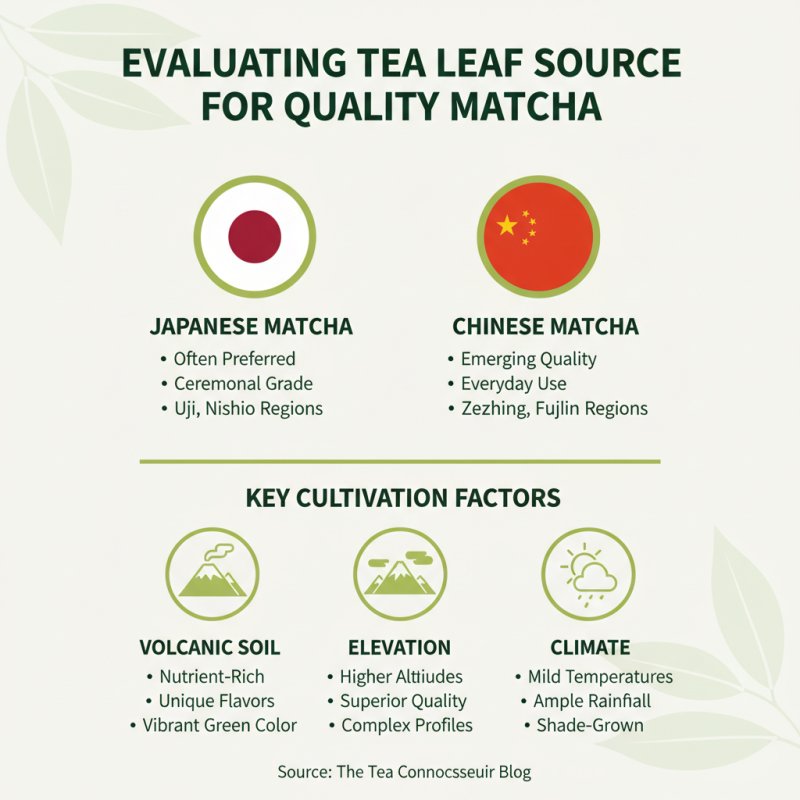
When selecting matcha powder, the source of tea leaves is crucial for quality. Japanese matcha often gets more attention, but Chinese matcha can also shine. Investigate the region of cultivation. Areas with rich, volcanic soil provide tea leaves with unique flavors and vibrant colors. It’s essential to consider the elevation and climate as well. Higher altitudes typically yield better quality matcha.
One important tip involves looking for organic certifications. While this might not guarantee quality, it often indicates better farming practices. Pay attention to the processing methods as well. Traditional stone grinding retains more nutrients compared to modern techniques. However, not every factory follows these methods closely.
Evaluate the freshness of the matcha. Check the packaging date; fresher matcha has a brighter green hue and a smoother taste. Don’t hesitate to ask suppliers about their sourcing practices. Reputable producers will gladly share their information. This transparency builds trust and reassures you of quality. Keep all these aspects in mind while choosing the perfect matcha powder.
Assessing Processing Methods Used in Matcha Production
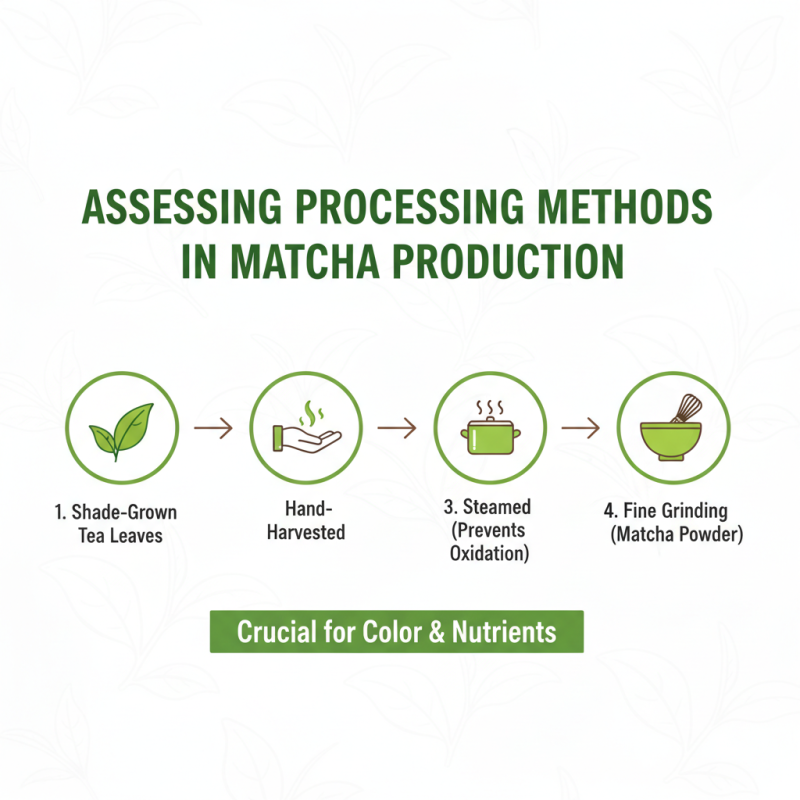
When selecting matcha powder from Chinese factories, understanding processing methods is crucial. Matcha production involves multiple steps. It starts with shade-grown tea leaves harvested by hand. After harvesting, the leaves are steamed quickly to prevent oxidation. This process helps preserve the vibrant green color and nutrients.
One common method is stone grinding. This traditional technique is favored for producing a fine, uniform powder. Stone grinding retains flavor, aroma, and health benefits. Reports indicate that powders ground using this method often have higher levels of antioxidants compared to those ground by machines. Unfortunately, some factories opt for cheaper machinery, sacrificing quality.
Tips for choosing quality matcha powder include assessing the color and aroma. Bright green hues indicate freshness. The scent should be grassy and sweet, not stale. Look for products with USDA organic certification. This ensures no harmful chemicals were used. Remember, high-quality matcha can be costly. Don't choose based solely on price, as lower costs may reflect inferior processing methods. For those seeking authentic Japanese Matcha Powder, these factors become even more important to ensure a rich flavor and optimal health benefits.
Certifications and Standards for Authentic Matcha Powder
When selecting matcha powder, understanding certifications and standards is crucial. Authentic matcha must meet specific quality guidelines. Look for labels indicating organic certifications. This ensures the matcha is free of harmful chemicals. Additionally, certifications from reputable organizations can enhance trust in the product.
In China, several standards regulate matcha production. The National Food Safety Standards set criteria for quality and safety. Compliance means the matcha has been tested for contaminants. It’s important to check for evidence of these tests. Consider asking suppliers for documentation proving their compliance with standards.
Beware of products lacking transparency in sourcing and processing. Not all matcha labeled as "premium" meets high standards. Authenticity can vary greatly. It's essential to research suppliers thoroughly. Look for reviews and their history in the industry. This helps in making an informed decision about the best matcha powder for your needs.
Tips for Identifying Genuine Matcha vs. Adulterated Products
Identifying genuine matcha can be challenging, but certain indicators help consumers. Authentic matcha powder has a vibrant green color, often likened to fresh grass or jade. This hue comes from young leaves that are shade-grown, enhancing their chlorophyll content. In contrast, adulterated products may appear dull with a yellow or brown tint. A pigment test can reveal discrepancies; genuine matcha maintains vivid green shades.
Texture also plays a crucial role. Quality matcha should feel velvety and smooth, not gritty or coarse. A fine powder indicates careful processing. Reports show that over 40% of matcha on the market may be blended with lower-quality powders or fillers. Additionally, tasting the matcha provides insight. Genuine Organic Matcha Powder has a rich, umami flavor without bitterness. Astringent or harsh flavors typically signal lower quality or mixed ingredients.
Another essential factor is sourcing. Trustworthy suppliers often share their stories and production methods. They may participate in certifications, ensuring ethical and quality practices. Always look for detailed origin information. The best matcha originates from Japan, where meticulous care in cultivation is evident. Some products, however, may mislead consumers about their true origin. Review independent audits or third-party testing information to verify authenticity.
Recommendations for Sampling and Testing Matcha Before Purchase
Sampling and testing matcha before purchasing is essential for quality assurance. To find the best Pure Matcha Powder, start by checking the color. High-quality matcha is vibrant green, indicating freshness. Duller shades can signal oxidation or lower quality.
Next, consider the fragrance. Fresh matcha should have a sweet, grassy aroma. A musty or sour smell can indicate age or poor storage conditions. It's advisable to request samples from multiple suppliers. This allows you to compare flavors and aromas directly. Make a note of any significant differences.
When tasting, focus on the texture and finish. High-quality matcha should feel smooth on the palate. The taste should be rich and umami, avoiding any bitterness. If the sample feels gritty or overly bitter, it may not be the right choice. Document your impressions. These details can help guide future purchases and improve your overall selection process.
Harnessing the Power of Black Maca Root Extract: A Comprehensive Guide to Male Supplement Benefits and Factory Supply Solutions
Black Maca root, scientifically known as Lepidium meyenii, has garnered attention for its numerous health benefits, particularly for men. Rich in essential nutrients and bioactive compounds, black maca is known to enhance energy levels, reduce fatigue, and promote stamina. Studies have shown that regular consumption of black maca can lead to improved sexual health, increased libido, and enhanced fertility in men, highlighting its role as a natural supplement for male wellness.
The benefits of black maca root extend beyond sexual health. According to a comprehensive market report, the demand for natural health supplements, including those derived from black maca, has increased significantly, with the global herbal supplement market expected to grow at a CAGR of 7.0% from 2021 to 2028. This rise can be attributed to the growing consumer awareness regarding natural ingredients and their health advantages, positioning black maca as a prominent player in this market. The extract is available in various specifications, such as 4:1 and 10:1, and is often offered in a light yellow powder form, making it easy to incorporate into daily health regimens.
When considering sourcing black maca root extract, potential suppliers emphasize the importance of quality certifications, including HACCP, ISO22000, and various organic certifications, to ensure product safety and efficacy. The price for high-quality extracts typically ranges from 8 to 30 USD per kilogram, with a minimum order quantity of 1 kg, making it accessible for both small businesses and larger health supplement manufacturers. With a focus on health care applications, black maca is poised to meet the needs of a growing market seeking natural and effective health solutions.
FAQS
: Look for vibrant, bright green hues. This indicates high chlorophyll content and freshness.
Fresh matcha should taste creamy and sweet. Bitter notes suggest poor quality or processing.
A fine, smooth powder is ideal. Gritty texture may indicate lower quality.
Check if the leaves come from shade-grown plants. Research the source for transparency.
Proper sealing keeps matcha fresh. Poor packaging can lead to loss of flavor and nutrients.
Matcha typically has three grades: ceremonial, culinary, and premium, each with unique characteristics.
Younger leaves often provide a delicate, rich taste. Quality increases with age but varies.
Tasting samples helps ensure you select the best option. It can prevent future regrets.
Keep notes on color, aroma, and taste when trying different grades. This aids future choices.
Balance is crucial. Cheaper options may lead to regrets later; invest wisely for quality matcha.
Conclusion
When selecting the best Matcha Powder from Chinese factories, it is essential to consider several factors to ensure quality and authenticity. Understanding the different grades of Matcha and their characteristics is crucial, as it directly impacts flavor and nutritional benefits. Evaluating the source of tea leaves is another key aspect, as higher-quality leaves lead to superior Matcha. Additionally, the processing methods used in production play a significant role in determining the final product's quality.
Certifications and standards for authentic Matcha Powder provide necessary assurance regarding its quality, making it vital to look for these indicators. Potential buyers should also be trained to identify genuine Matcha versus adulterated products, as the market may contain imitations. Finally, recommendations for sampling and testing Matcha before purchase will help consumers make informed decisions, ensuring they choose a product that meets their expectations for quality and taste.