You know, these days, standardized extracts are really gaining popularity in the whole health and wellness scene. Basically, they guarantee a consistent amount of active ingredients in each dose, which is pretty reassuring. Brands like Herbalife and Gaia Herbs are all about making sure their products deliver quality you can count on — so consumers aren’t left guessing if the stuff actually works.
Take Ilex Kudincha Extracts, for example — they’re a perfect example of this trend. People use them mainly because they’re known to support things like your metabolism, which is a big plus. And honestly, a lot of folks love how easy they are to use — knowing exactly what you’re getting each time, and that it’ll have predictable effects.
Of course, some might wonder if these standardized extracts are truly as effective as the whole plant versions. It’s a good question — I mean, do they really pack the same punch?
While there are definitely benefits to going the standardized route, it’s not a one-size-fits-all kinda deal. Everyone’s needs are different, so what works for one person might not work for another. Plus, with so many options out there, it can be pretty confusing to figure out what’s legit. So, it’s really important to do some homework and make informed choices if you want to get the most out of your health journey.
What Are Standardized Extracts?
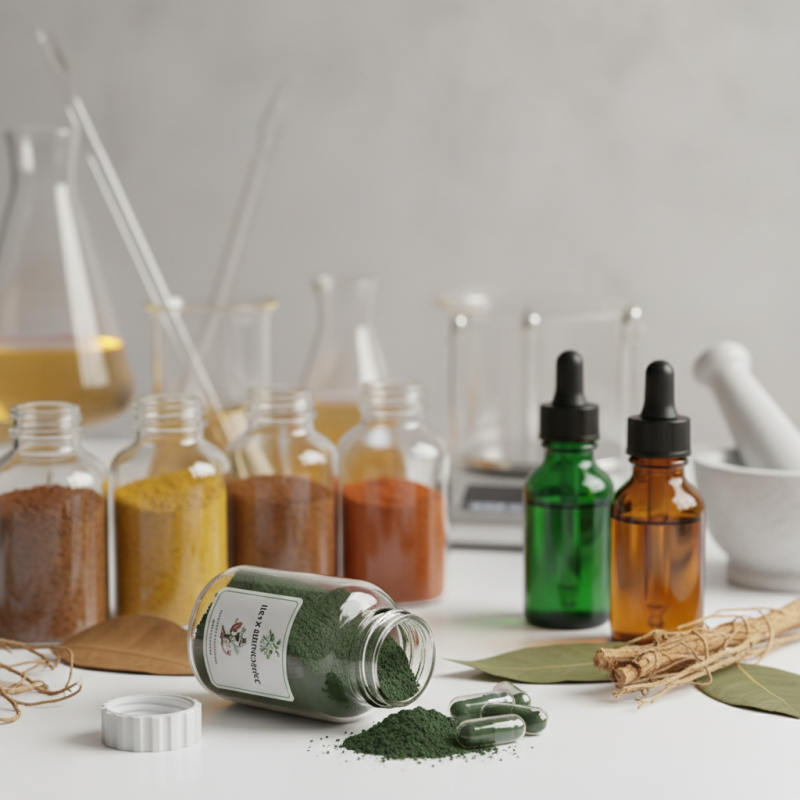
Standardized extracts are concentrated forms of plants, herbs, or other natural ingredients. They contain a specific quantity of active compounds, ensuring consistency in potency. This process often involves drying raw materials and extracting key components using solvents. The result is a product that provides reliable effects, unlike raw herbs that can vary in strength.
One major benefit of standardized extracts is their predictability. Consumers can trust that each dose delivers the same level of active ingredients. This is crucial for anyone seeking specific health benefits. For instance, if a plant is known for calming effects, standardized extracts provide those benefits consistently. However, the extraction process might strip away some other beneficial compounds found in the whole plant. This raises questions about whether the extract is as effective as the full-spectrum version.
Additionally, those interested in these extracts should consider sourcing. Not all extraction methods are equal. Some may lead to a loss of valuable phytochemicals. Moreover, the scaling up of production can compromise quality. It's worth reflecting on the balance between standardization and the richness of nature. Are we losing something essential in pursuit of consistency?
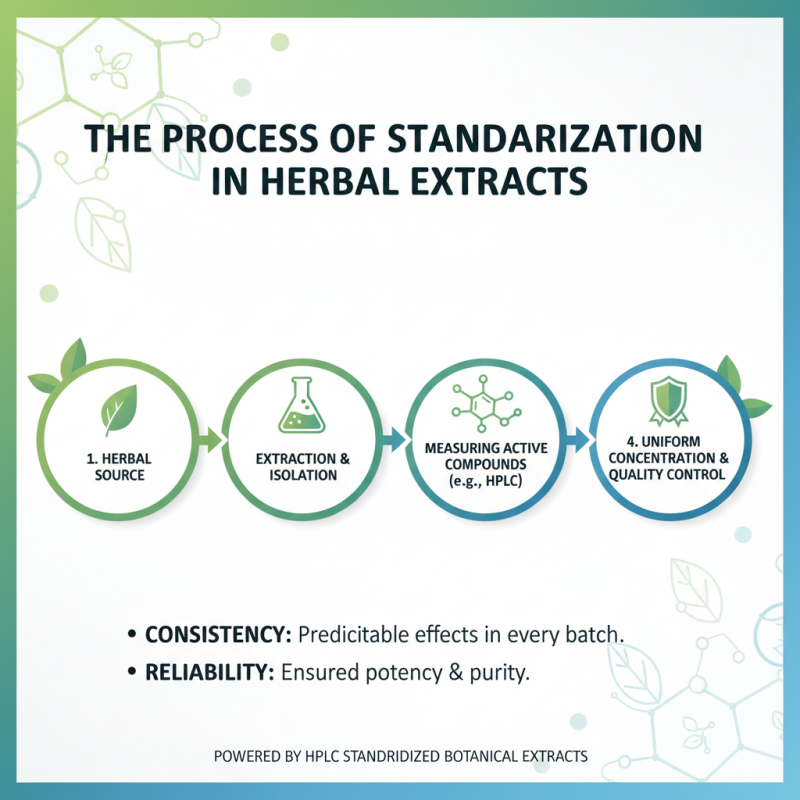
The Process of Standardization in Herbal Extracts
Standardization in herbal extracts is crucial for quality and consistency. The process involves measuring active compounds to ensure a uniform concentration. This method helps herbal products achieve predictable effects. For instance, using Hplc Standardized Botanical Extract allows manufacturers to confirm that each batch contains the same amount of beneficial compounds. This brings reliability to herbal supplements.
The journey of standardization starts with selecting high-quality plant materials. After harvesting, the herbs undergo extraction using solvents or other methods. Each step is monitored for accuracy. However, achieving perfect standardization can be challenging. Factors like soil quality and climate can affect the plant’s active ingredients. Thus, it’s vital to understand these variations when developing herbal products.
Once the extracts are standardized, they can be tested for potency and safety. This ensures that users receive the intended benefits. Yet, some consumers may overlook the importance of standardization. They might assume all herbal products are created equal. Awareness of the benefits of Hplc Standardized Botanical Extract can lead to more informed choices. Adjusting to this knowledge can enhance one's overall wellness journey.
Comparing Standardized Extracts to Non-Standardized Versions
Standardized extracts have gained attention for their consistent potency and quality. Unlike non-standardized versions, these extracts guarantee specific concentrations of active compounds. For instance, a standardized extract of Vitexin at 0.5% ensures each dose delivers the same amount of this beneficial component. This consistency can significantly impact therapeutic effects, making it easier for users to track results.
Non-standardized extracts can vary widely in strength and effectiveness. This inconsistency often leads to unpredictability in results. Users may find that one batch produces good effects, while another does not. Such outcomes can be frustrating, especially when seeking relief or health benefits. Moreover, determining the correct dosage becomes challenging with these variations.
Despite the clear advantages of standardized extracts, they are not without flaws. The process of standardization may overlook other beneficial compounds in the plant. These compounds might contribute to the extract's overall efficacy. It requires careful consideration of both types to make an informed choice. Balancing consistency with potential benefits from non-standardized extracts invites further exploration.
What Are Standardized Extracts and Their Benefits? - Comparing Standardized Extracts to Non-Standardized Versions
| Extract Type | Definition | Concentration | Benefits | Use Cases |
| Standardized Extracts | Contain a specified amount of active ingredients. | Consistent and reliable concentration. | Higher efficacy, predictable outcomes. | Dietary supplements, herbal medicines. |
| Non-Standardized Extracts | Do not guarantee the amount of active ingredients. | Variable concentration. | May vary in effectiveness. | Culinary uses, traditional remedies. |
Benefits of Standardized Extracts for Consistent Quality
Standardized extracts play a critical role in ensuring consistent quality in herbal supplements and natural products. These extracts undergo a standardized process, which guarantees that each batch contains the same concentration of active ingredients. According to a report from the HerbalGram Journal, about 80% of herbal products on the market lack consistency in ingredient potency. This inconsistency can lead to unreliable effects for consumers. Standardized extracts help mitigate this issue, allowing manufacturers to deliver products with predictable results.
Moreover, the benefits of standardized extracts extend beyond consistency. They often exhibit enhanced efficacy compared to their non-standardized counterparts. A study published in the Journal of Ethnopharmacologyfound that standardized Turmeric Extracts significantly improved bioavailability. This means consumers may experience heightened health benefits. However, it's crucial to recognize that not all standardization processes are equal. Some methods may overlook essential compounds that contribute to an herb'stherapeutic effects. This gap highlights a need for ongoing research and standards in the industry to maintain quality and efficacy. Ensuring consistent quality remains a challenge, yet standardized extracts offer a promising solution for consumers and manufacturers alike.
Key Ingredients Commonly Standardized in Herbal Products
Standardized extracts have gained popularity in the herbal supplement industry. These extracts promise consistent levels of active ingredients. Common ingredients include turmeric, ginseng, and green tea. For instance, turmeric extract is often standardized to curcumin, its main active compound. A research report indicates that standardization can improve efficacy and safety.
Ginseng is another key ingredient typically standardized to ginsenosides. Studies show these compounds can enhance cognitive function and energy levels. However, not all products on the market adhere to strict standardization. This inconsistency can lead to variable therapeutic effects. In one analysis, only 30% of herbal products met their labeled claims for ginsenoside content.
Green Tea Extracts are generally standardized to catechins. Research suggests these antioxidants can support heart health and weight management. Unfortunately, extraction methods may alter the concentration of active compounds. A survey revealed that 40% of buyers find it challenging to identify properly standardized products. This highlights the need for clearer labeling and consumer education in the herbal market.
Industry Statistics on Efficacy and Consumer Preference
In recent years, the popularity of standardized extracts has soared. Industry statistics reveal a growing consumer preference for products that offer consistent potency. These extracts ensure that every dose delivers the same active ingredients, enhancing efficacy. Studies show that many consumers are willing to pay more for products with standardized formulations. This trend highlights the increasing demand for quality and reliability in herbal supplements.
Tips: Look for products that specify the percentage of active ingredients. This can be a good indicator of quality. Check reviews and research before making a purchase. Brands that provide transparent information tend to build trust with their consumers.
Despite the strong market for standardized extracts, there are some challenges. Not every ingredient translates well into a standardized extract. The effectiveness can vary based on factors like sourcing and processing methods. Educational efforts are essential for consumers to understand what they are buying. Misleading labels can lead to disappointment and distrust in the market.
Tips: Don’t overlook ingredient origins. Knowing where and how they are sourced can impact effectiveness. Consider trying varieties for personal experience, as individual needs may differ. Always consult reliable resources to enhance your knowledge.
Future Trends in Standardized Extract Development and Usage
The future of standardized extract development is promising. As demand grows, innovation in extraction methods will likely enhance potency and purity. Researchers are focusing on optimizing processes to create more effective extracts. This may lead to new healthcare applications and improved formulations.
Tips: Always research before choosing extracts. Understand what fits your needs. Not all extracts are the same.
Integrating technology into standardized extract production can streamline efficiency. Automation could reduce errors and increase consistency. However, some may worry about losing traditional methods in favor of modern techniques. Balancing heritage with innovation will be essential.
Remember, quality matters. Not all standardized extracts provide the same benefits. Individual reactions can vary widely. It’s crucial to consult professionals when considering these products. Finding the right dosage may involve trial and error, which can be frustrating.
Conclusion
Standardized extracts are herbal formulations that have been processed to contain a specific and consistent concentration of bioactive compounds. The standardization process ensures quality and potency, making these extracts more reliable compared to their non-standardized counterparts, which can vary significantly in composition. This consistency is crucial for consumers who rely on herbal products for health benefits, as it enables predictable efficacy.
The benefits of standardized extracts extend beyond quality assurance; they also meet the growing demand for effective herbal solutions backed by industry statistics. Commonly standardized ingredients include key herbs known for their therapeutic properties, and as consumer preferences shift towards more reliable products, future trends indicate an increase in the development and use of standardized extracts in the herbal market. Ultimately, standardized extracts present a promising approach to enhancing the safety and effectiveness of herbal supplementation.