- Home
- About Us
- Products
- Application
- Service
- News
- Contact Us
Leave Your MesSAGe
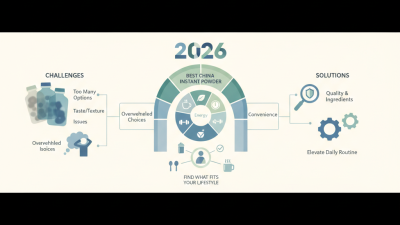
Finding and sourcing instant powder in 2026 isn’t just about clicking around to compare prices on a supplier’s website. You really need to know exactly what you’re looking for—specs, verified factories, and proof that each batch hits your quality standards. The whole process starts with understanding how you plan to use the product—think serving size, flavor profile, solubility, moisture limits, and packaging. Honestly, those tiny details can make a big difference.
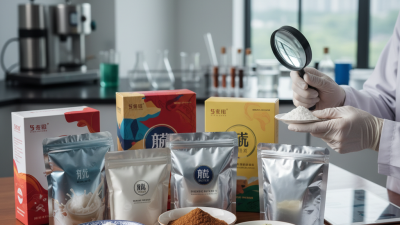
When it comes to something like instant coffee powder, it’s a good idea to request samples from several reliable manufacturers. Do some taste testing—check the aroma, color, how quickly it dissolves, if there’s any sediment, and how it tastes after it’s been stored for a bit. Keep in mind, a sample might look great in a lab cup, but that doesn’t always mean it’ll perform just as well when you’re doing larger batches. That’s a risk worth paying attention to. Big brands like Nestlé, Olam Food Ingredients, or regional players might have different strengths, certifications, and minimum order sizes, but just their names alone don’t guarantee they’re a perfect fit for your needs.
Make sure to review the supplier’s food safety measures, batch traceability, allergen controls, and current certifications. Don’t just ask for a Certificate of Analysis for the first order—get it for every shipment. Double-check production dates, shelf life, country of origin, and how well the packaging is protected before you finalize any deals. An independent audit can also spot problems like poor warehouse hygiene or inconsistent recordkeeping—that stuff you might overlook.
Of course, price is important, but the cheapest quote might actually lead to bigger expenses down the line—delays, quality issues, or damaged packaging can wipe out any savings. It’s smart to use a written scorecard to evaluate quality, capacity, documentation, communication, and total landed costs. Plus, keep records of samples and any corrective measures you request.
Let’s be real—nothing is perfect in sourcing. Market conditions shift, and even trusted suppliers need to be double-checked. Doing thorough checks, maintaining open communication, and practically testing products will help you build a more reliable plan for sourcing your instant powder in 2026.

Before contacting suppliers, define the product precisely. My first specification was too vague. It requested “fast-dissolving powder” without defining water temperature, serving size, or flavor tolerance. That caused inconsistent samples and wasted review time. Write down the intended use, target market, pack size, and expected shelf life. Specify particle size, moisture level, solubility, color, aroma, and acceptable sediment. For Organic Mushroom Coffee Instant Powder, confirm the coffee base, mushroom ingredients, extraction method, caffeine level, and organic certification requirements. Do not rely on attractive product descriptions alone.
Tips: Build a one-page product brief. Include dosage per serving, water volume, mixing time, packaging format, minimum order quantity, and delivery window. Ask for a recent certificate of analysis, allergen statement, microbiological results, heavy-metal testing, and stability data. Check whether test methods match your market’s requirements. They may not. Request pilot samples in identical packaging when possible. Compare the powder after one minute, ten minutes, and overnight storage. Record taste, sediment, clumping, and color changes.
Reliable sourcing also requires supplier verification. Review manufacturing experience, quality-control procedures, traceability records, and batch consistency. Ask how they handle raw-material changes. Confirm that labels and claims can be legally supported in your sales region. A supplier who answers clearly is useful, but documented evidence matters more. Leave room for revision. Real samples may expose weaknesses that specifications miss.
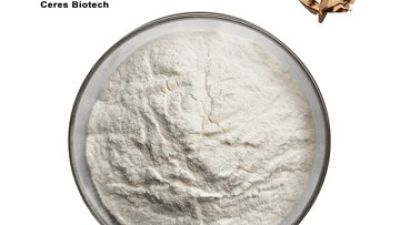
High-Purity Glycyrrhetinic Acid 98% Powder, also known as Glycyrrhetinic Acid, is a white powder designed for health care formulations and related product development. Its 98% specification provides a clear benchmark for buyers seeking consistent potency and reliable raw-material quality. Before purchase, manufacturers should review the certificate of analysis, confirm appearance and assay results, and verify that packaging, storage, and handling conditions are suitable for maintaining product stability.
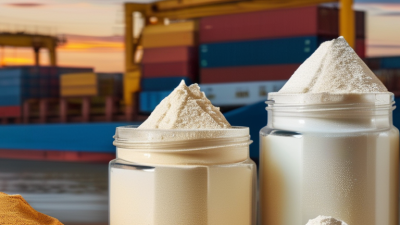
For bulk sourcing, the typical minimum order quantity is 1 kilogram, with an indicative price range of 50–150 USD, depending on order volume, documentation, packaging, and shipping requirements. Buyers should request complete technical files and confirm the availability and validity of relevant certifications, including HACCP, ISO 22000, Kosher, Halal, TÜV Rheinland, EU Organic, USDA, NOP, and FDA-related documentation where applicable. Clear communication regarding specifications, batch testing, lead time, and destination-market compliance can help support efficient procurement and consistent quality control.
Request a current specification sheet, certificate of analysis, and complete ingredient statement. Check caffeine, moisture, solubility, microbes, heavy metals, pesticides, and allergens. Every result should match the same production batch.
Ask whether the facility follows GMP, HACCP, or ISO 22000 systems. Confirm each certificate covers the actual manufacturing site. A polished certificate is not enough.
Request three recent samples from one production batch. Compare color, aroma, particle size, dissolution time, and sediment. One perfect sample proves very little.
Use the stated dosage in hot water first. Observe floating clumps, sediment, flavor, and dissolution time. Record results after ten minutes. Simple, but useful.
Prepare samples with both hot and cold water. Test the recommended dosage, then try lower and higher amounts. Keep water temperature and volume consistent. Check color, soluble solids, and aftertaste.
Keep sealed samples at room temperature and under heat stress. Inspect them after two, four, and eight weeks. Watch for fading aroma, clumping, color changes, and weak solubility. Day-one results can mislead.
Inspect spray-drying or freeze-drying equipment, blending accuracy, and humidity controls. Review packaging protection, storage conditions, backup power, and lead times. Strong equipment does not guarantee disciplined batches.
Ask whether the supplier can trace farms, extraction lots, drying dates, and packaging lines. Request recent batch records and review them carefully. Confirm the recall procedure before placing a large order. I might still miss packaging failures.
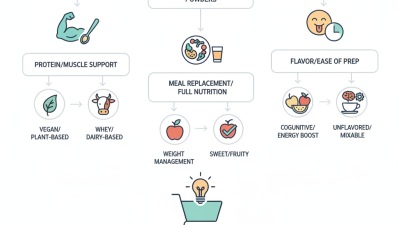
Sourcing Instant Powder in 2026 requires a structured approach that connects product goals with dependable supply capabilities. Begin by defining the powder’s intended application, formulation requirements, particle size, solubility, flavor, packaging format, shelf life, and target market standards. Then identify potential suppliers through professional networks, industry exhibitions, verified directories, and direct manufacturer inquiries. Evaluate each supplier’s quality systems, certifications, production capacity, testing procedures, traceability, and ability to maintain consistent batches.
A practical sourcing decision should also compare pricing, minimum order quantities, lead times, shipping arrangements, and payment terms rather than focusing on unit cost alone. Request representative samples and assess Instant Powder performance through documented tests, including dissolution, taste, stability, and compatibility with the final product. Before placing an order, finalize specifications, quality responsibilities, inspection procedures, delivery terms, confidentiality conditions, and issue-resolution processes in a clear contract. Ongoing supplier management should include regular performance reviews, quality monitoring, demand forecasting, and contingency planning to support reliable long-term supply.