Inquiry Now
Leave Your MesSAGe
0%

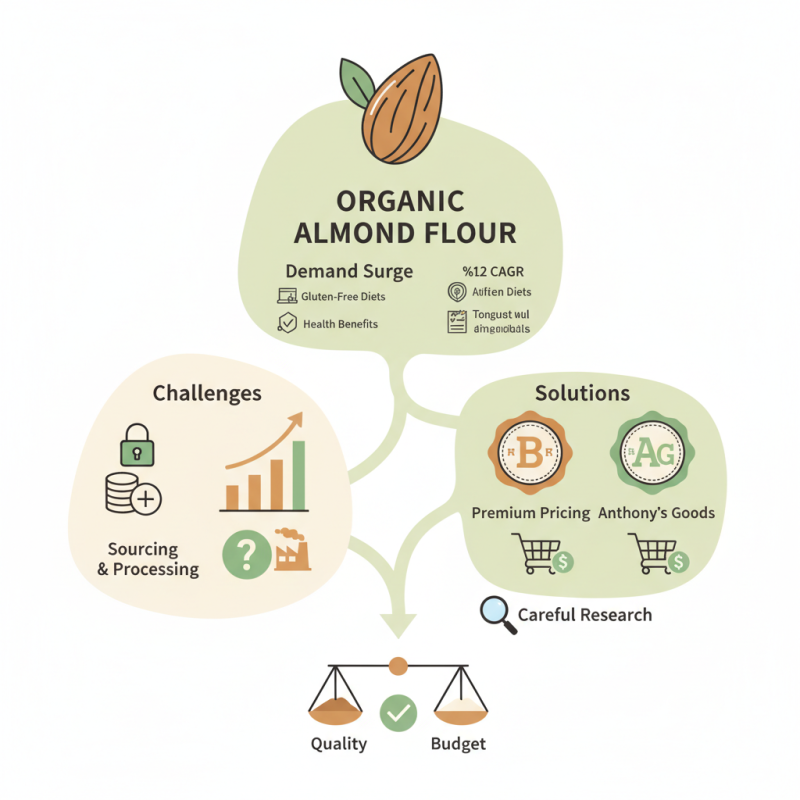
Lately, it seems like everyone’s been talking about Organic Almond Flour. Honestly, the demand has been really picking up. A report from Market Research Future even says the global almond flour market's expected to grow at about 12% annually between 2021 and 2027. That’s pretty impressive! A big part of this surge probably comes down to folks becoming more aware of gluten-free diets and all the health perks that come with almonds.

But here’s the thing — finding good quality yet affordable organic almond flour? Not always a walk in the park. A lot of brands slap on a premium just because it’s organic, which can really turn people off. Luckily, there are some options that strike a pretty decent balance. Brands like Bob’s Red Mill and Anthony’s Goods tend to offer competitive prices without skimping on quality.

Of course, price isn’t everything. It’s also super important to look into how the almonds are sourced and processed. Not all organic almond flours are created equal — some use better almonds, while others might cut corners a bit.

Navigating this whole landscape can be pretty tricky, but if you do a little digging, you’ll eventually find products that hit the sweet spot between quality and affordability. It’s all about doing your homework and knowing what to look for.
2026 How to Find High Quality Cheap Organic Almond Flour Products?

Understanding Organic Almond Flour: Benefits and Nutritional Value

Organic almond flour is a popular alternative to traditional flour. It offers a range of benefits. One key advantage is its high protein content, which supports muscle health. Each serving is packed with nutrients, often containing Vitamin E and magnesium. These elements are vital for maintaining energy levels and supporting overall wellbeing.

In addition to nutrition, organic almond flour is gluten-free. This makes it a suitable option for those with gluten sensitivities. Its flavor is slightly sweet and nutty, which can enhance baked goods. However, working with almond flour can be tricky. It absorbs moisture differently than wheat flour. This can lead to dry or dense textures if not mixed properly.

Many struggle to find quality options at a low price. A common mistake is overlooking packaging details. Reading labels can reveal essential information about purity and additives. Sometimes, cheaper products contain other flours that compromise quality. When shopping, always check the ingredient list. It matters more than you might think.

2026 How to Find High Quality Cheap Organic Almond Flour Products? - Understanding Organic Almond Flour: Benefits and Nutritional Value

Attribute Details
Product Type Organic Almond Flour
Nutritional Value (per 100g) Calories: 500
Protein: 21g
Fat: 22g
Carbohydrates: 20g
Fiber: 10g
Health Benefits - Rich in antioxidants
- Supports heart health
- Aids in weight management
- High in vitamin E
Common Uses - Baking (cookies, cakes)
- Cooking (thickening sauces)
- Gluten-free recipes
- Smoothies
Average Price (per kg) $10 - $15
Where to Buy - Online health food stores
- Local organic markets
- Supermarkets with natural food sections

Identifying High-Quality Organic Almond Flour: Key Characteristics

2026 How to Find High Quality Cheap Organic Almond Flour Products?

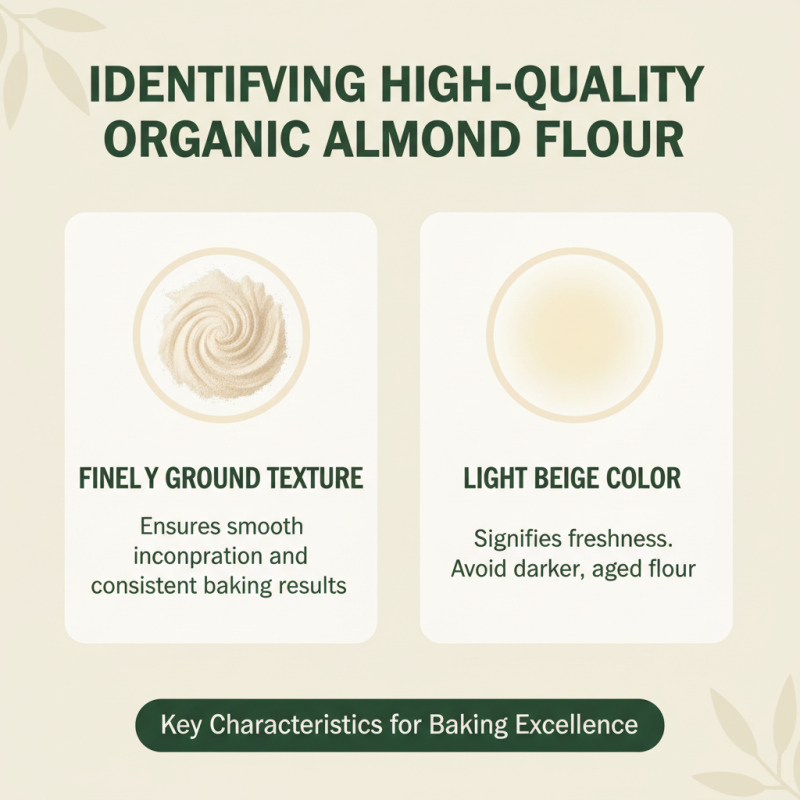
When searching for organic almond flour, key characteristics can signal high quality. Look for flour that is finely ground. A finer texture ensures better incorporation into recipes. This is crucial for baking, where consistency matters. The color should be light beige, hinting at freshness. Darker shades might indicate aging or outdated products.

Nutrition is another benchmark. Organic almond flour typically contains higher protein levels. Data show it can have up to 24% protein content. Fiber is important too, often exceeding 10%. This balance enhances both health benefits and taste. Packaging can reveal insights as well. Resealable bags might indicate a commitment to quality and freshness.

Evaluating sourcing practices adds another layer. Almonds grown in California are often noted for their quality. However, not all California almonds are equal. Consider suppliers that share their farming methods. Transparency promotes trust but also reveals the commitment to organic standards. Beware of overly cheap options, as they may compromise quality or sourcing integrity. It's essential to weigh price against these critical indicators.

Where to Buy Organic Almond Flour: Retailers and Online Options

Finding high-quality organic almond flour can feel overwhelming. Many retailers offer a range of options, both in-store and online. A recent survey reveals over 60% of consumers look for organic products, reflecting a growing trend toward healthy eating. You can check grocery stores, health food shops, and specialty stores. They often have almond flour in various sizes, which can be more affordable than online prices.

Online shopping offers even more flexibility. Websites specializing in health foods frequently feature organic almond flour. For instance, platforms dedicated to organic products may offer bulk discounts. However, buyer beware: not all online sellers guarantee quality. Some products labeled as "organic" may not meet stringent standards. Reading reviews and looking for third-party certifications can help ensure you choose wisely.

Prices can vary significantly, too. Studies show that organic almond flour could be 20% higher in some stores than in bulk options online. While price is a factor, the quality should never be compromised. Exploring both avenues can lead to finding the best almond flour that fits your budget and quality needs. Remember, the goal is to enjoy the health benefits without overspending.

Comparing Prices: Finding Affordable Organic Almond Flour

2026 How to Find High Quality Cheap Organic Almond Flour Products?

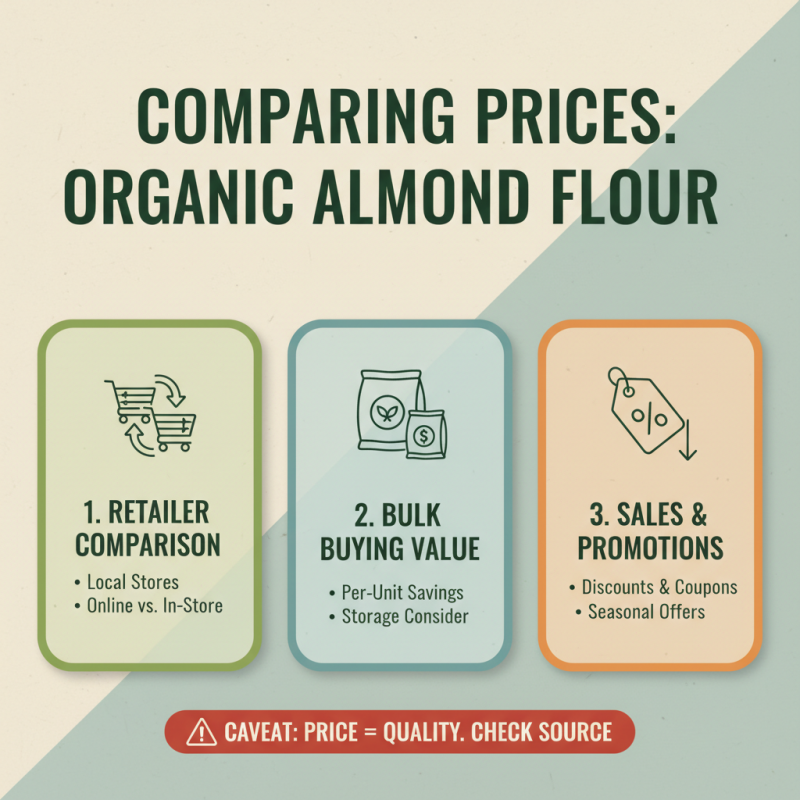
When searching for affordable organic almond flour, it's essential to compare prices from different retailers. You might find variations even at local stores. Often, bulk purchasing offers better value. Look for sales or promotions that can significantly reduce costs. Remember, though, that lower prices sometimes mean compromises in quality.

Online shopping can be a savvy way to discover cheaper organic almond flour options. Websites often have user reviews that help gauge quality. Pay attention to the ingredients listed. Some products labeled as Almond Powder might contain additives or fillers. Be wary of those. Too cheap could signal a lack of purity.

For home bakers, experimenting with various sources can be enlightening. Sometimes, local farmers' markets have fresh options at reasonable prices. But don’t forget to check how they store products. Freshness greatly affects flavor and nutritional value. Balancing cost with quality can seem challenging. It’s a continuous learning process.

Reading Labels: How to Ensure Quality in Organic Almond Flour

Reading labels is crucial when choosing high-quality organic almond flour. Start by looking for the "organic" certification. This ensures that the product is made from almonds grown without synthetic pesticides and fertilizers. The label should also indicate whether the almonds are blanched or natural. Blanched flours are lighter and finer, while natural ones retain more nutrients and fiber.

Checking the ingredient list reveals more. Ideally, there should be only one ingredient: almonds. Some brands might mix in organic inulin organic powder for added fiber. While this might seem beneficial, it could reduce the almond flavor.

Don't forget to check the packaging date. Freshness matters. Older flours can taste rancid or stale. If the price seems too good to be true, it might be. Lower-quality products might compromise on nutrition or flavor. Finding the right balance of price and quality can take time. Embrace trial and error in your search.

Customer Reviews: Insights on Quality and Value of Almond Flour

When searching for organic almond flour, customer reviews are invaluable. They provide insights into the quality and value of different products. Many reviews highlight aspects like taste, texture, and overall satisfaction. Some consumers have noted graininess in certain brands. This can affect baking results, making it important to choose wisely.

One common theme in customer feedback is pricing. Many shoppers want high-quality almond flour that won’t break the bank. Some found great options at reasonable prices, but others were disappointed. It’s essential to read multiple reviews to get a balanced perspective. Customers often suggest checking organic certifications to ensure true quality.

A few reviews stress the importance of the source. Variety matters; some products are made from Californian almonds, which tend to have a fresher taste. However, negative reviews occasionally note stale products or poor packaging. These details are often overlooked but crucial for a positive experience. When making a choice, consider these insights for better results.

Storing Almond Flour: Tips to Maintain Freshness and Quality

Storing almond flour properly is crucial for maintaining its freshness and quality. Almond flour can go stale quickly if not stored correctly. A cool, dark place works well. An airtight container is your best friend here. It helps to keep moisture and pests away. Even a slight increase in humidity can ruin it.

You might find it helpful to divide the flour into smaller portions. This way, you only expose a part of it to air when using. If you’re in a warm climate, consider refrigerating or freezing it. This can extend the shelf life. Some users report changes in texture when thawing. It's something to keep in mind. Experiment to see what works best in your kitchen.

Incorporate the use of Organic Tart Cherry Powderinto your recipes that use almond flour. This combination can enhance the flavor and nutritional value. However, be cautious. Too much Cherry Powder can overshadow the almond flour's taste. Finding the right balance is key. Do not hesitate to adjust based on your preferences. With sometrial and error, you're bound to discover tasty creations.

Unlocking the Potential of Cordyceps Militaris: Insights from Recent Studies on Its Health Benefits and Culinary Applications

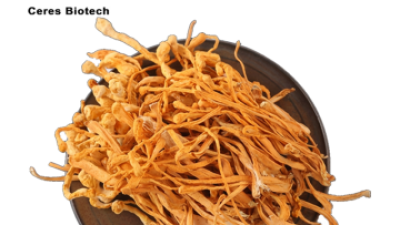
Cordyceps militaris, a fascinating fungus known for its distinctive orange fruiting bodies, has captured the attention of researchers and culinary enthusiasts alike. Recent studies have highlighted its potential health benefits, showcasing its applicability as a functional food. With a range of bioactive compounds, this mushroom is linked to improved energy levels, enhanced athletic performance, and potential anti-inflammatory properties, making it a valuable addition to dietary regimens aimed at promoting overall wellness.

Culinary applications of dried Cordyceps militaris are as versatile as its health benefits. Its unique earthy flavor can enhance a variety of dishes, from soups and stews to teas and broths. When incorporated into daily meals, it not only improves the nutritional profile but also adds a gourmet touch that appeals to both chefs and home cooks. Available in whole form, these mushrooms maintain their integrity and can be easily added to recipes, ensuring that their benefits are accessible to everyone. With certifications such as HACCP, ISO22000, and organic labels, consumers can feel confident in the quality and safety of this remarkable ingredient.

FAQS

: What are the signs of high-quality organic almond flour?

: Look for a finely ground texture for better incorporation into recipes. Freshness is indicated by a light beige color.

How can I evaluate the nutritional value of almond flour?

High-quality almond flour contains up to 24% protein and more than 10% fiber, enhancing health benefits and taste.

Why is packaging important when selecting almond flour?

Resealable bags may indicate quality and freshness. Check for clear labeling to assess the product's integrity.

What sourcing practices should I consider?

Almonds from California are often trusted for quality. However, not all California almonds are the same.

How can I ensure the almond flour is organic?

Look for "organic" certification on the label to confirm almonds are grown without synthetic pesticides or fertilizers.

What should I check on the ingredient list?

Ideally, it should list only almonds. Some may include additives, which can affect flavor and texture.

Why is freshness important in almond flour?

Older flour can taste rancid. Always check the packaging date for the best flavor and quality.

How can pricing affect quality?

Beware of overly cheap options. Lower prices can compromise nutritional value and overall quality.

What is the difference between blanched and natural almond flour?

Blanched flour is lighter and finer, while natural retains more nutrients and fiber, affecting taste.

What should I do if I find it hard to choose?

Finding the right balance of price and quality may take time. Embrace trial and error during your search.

Conclusion

This article delves into the essentials of Organic Almond Flour, highlighting its benefits and nutritional value. It emphasizes how to identify high-quality products by examining their key characteristics, such as texture and aroma. The article also offers insights into where to purchase Organic Almond Flour, covering both retail and online options, while providing tips for comparing prices to find affordable choices.

Moreover, it discusses the importance of reading labels to ensure product quality and encourages consumers to consider customer reviews for better insights into the value of different Organic Almond Flour options. Finally, the article shares effective storage tips to maintain the freshness and quality of Organic Almond Flour, ensuring that users can enjoy its health benefits optimally.
Sophie

Sophie

Sophie is a dedicated marketing professional at Xi'an Ceres Biotech Co., Ltd., a pioneering high-tech enterprise established in 2008. With a strong focus on delivering natural plant active ingredients, she plays a vital role in connecting the company's innovative products with the global......
Previous Unlocking the Superfood Benefits: Why Organic Acai Powder Should Be Your Go-To Health Boost