Looking for high-quality almond flour at a reasonable price? Yeah, I know, it’s not always easy. Almond flour is super versatile and packed with nutrients, which is why so many people love using it in different diets. But finding a good supplier is really key—that way, you’re sure you’re getting a solid product.
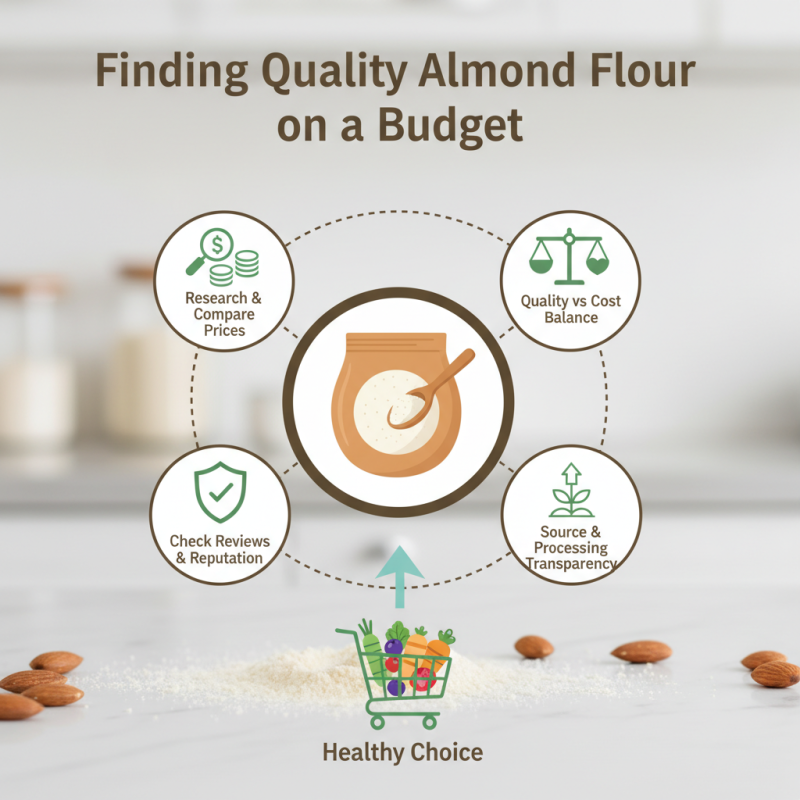
There are plenty of brands out there offering Organic Almond Flour, but not all of them are trustworthy. Some might cut corners somewhere just to keep their prices down. So, it’s definitely worth doing a bit of homework—check reviews, look at ratings. A decent supplier will always be upfront about where they get their almonds and how they process them.
And let’s talk about prices — they can really vary a lot. The cheap stuff might not meet your quality expectations. It’s all about finding that sweet spot between price and quality. Take your time comparing options. Remember, the choices you make today can impact your health down the line. A reliable vendor can help you find almond flour that fits both your needs and your wallet—simple as that.
Understanding Almond Flour: Nutritional Benefits and Uses
almond flour, made from finely ground almonds, offers numerous nutritional benefits. It's high in protein, healthy fats, and fiber. A study published in the Journal of Nutrition found that just one serving of almond flour provides about 6 grams of protein and 3.5 grams of fiber. These nutrients support digestive health and provide sustained energy.
Using almond flour in your diet can offer various culinary benefits. It is gluten-free, making it a popular choice for baking. Research indicates that almond flour adds moisture and enhances texture in baked goods. For instance, when substituted for regular flour, it can create denser, yet flavorful, pastries.
However, not every recipe may work well with almond flour. Adjustments might be necessary.
While almond flour is nutritious, quality matters. An independent study showed significant variations in nutrient content among products. Choosing high-quality almond flour can ensure a better balance of nutrients. Look for products that are minimally processed and free from additives. This approach not only improves taste but also maximizes health benefits.
Factors Influencing the Price of Almond Flour
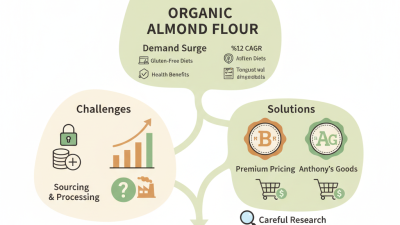
When searching for almond flour, several factors influence its price. The quality of the almonds directly affects the cost. Almonds are grown in various regions, with California being a significant producer. High-quality almonds typically yield finer flour, which often comes at a premium price. Nutritional content also plays a role; almond flour rich in nutrients may be priced higher due to its perceived health benefits.
Sourcing is another important factor. Almonds that are organically grown or sustainably sourced often cost more. They require careful farming practices and certification, impacting the final product's retail price. Additionally, packaging and shipping logistics can add to the overall cost. For bulk purchases, it may be possible to find deals. However, individual buyers might face inflated prices in local stores compared to online retailers.
Finally, market demand fluctuates, impacting almond flour prices seasonally. Awareness of these elements can lead to wiser purchasing decisions. Consumers might need to balance their needs with budget constraints. Learning about the production process of Almond Powder could help in understanding why prices vary. It’s crucial to consider quality over price alone while making choices.
How to Find High-Quality Cheap Almond Flour Pricelist for Your Needs?
| Brand | Package Size (lbs) | Price ($) | Price per lb ($) | Quality Rating (out of 5) |
| Brand A | 2 | 7.00 | 3.50 | 4.5 |
| Brand B | 1 | 4.50 | 4.50 | 4.0 |
| Brand C | 5 | 20.00 | 4.00 | 4.7 |
| Brand D | 3 | 10.00 | 3.33 | 4.3 |
| Brand E | 4 | 15.00 | 3.75 | 4.8 |
Where to Buy Almond Flour: Grocery Stores vs. Online Retailers
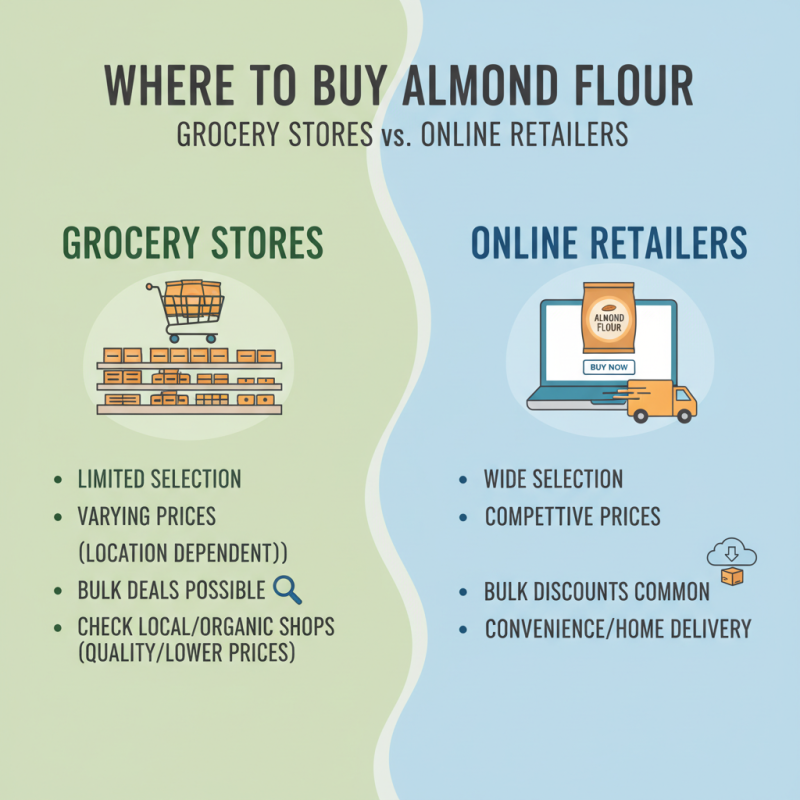
When looking for almond flour, consider both grocery stores and online retailers. Grocery stores often have a limited selection. However, you can find some great deals on bulk purchases. Cost can vary significantly depending on location and store type. It's essential to check for local stores that may carry natural or organic products. Sometimes, these shops have better quality options at lower prices.
Online retailers provide a broader range of choices. You can easily compare prices and find discounts. With just a few clicks, you access different brands and quality options. Look for reviews to ensure the product's reliability. Keep an eye on shipping costs, as they can add up.
**Tips:** Check out local co-ops or farmers' markets for fresh options. Visit discount bulk food stores for larger quantities at a better price. Finally, consider buying in bulk online during sales for maximum savings.
Comparing Brands: Identifying High-Quality Almond Flour
When it comes to almond flour, quality is key. Look for flour that is finely ground and has a light color. The aroma should be fresh, with a subtle nutty scent. Packaging can also tell you a lot; it should be sealed properly to maintain freshness. High-quality almond flour often has a higher fat content, which contributes to flavor and moisture in baked goods.
Comparing brands can be a bit tricky. Some may advertise as high-quality but cut corners in production. It's essential to read the labels. Check for additives or preservatives that might diminish quality. Reviews from other bakers can offer valuable insights too. They often highlight the nuances in texture and taste that aren't immediately obvious.
Be aware, though, that personal preference plays a big role in choosing almond flour. What works for one recipe might not work for another. Don’t hesitate to experiment with different brands. It may take a few tries to find your perfect match. Remember, finding the right almond flour is an ongoing journey rather than a one-time decision.
Tips for Finding Discounts on Almond Flour
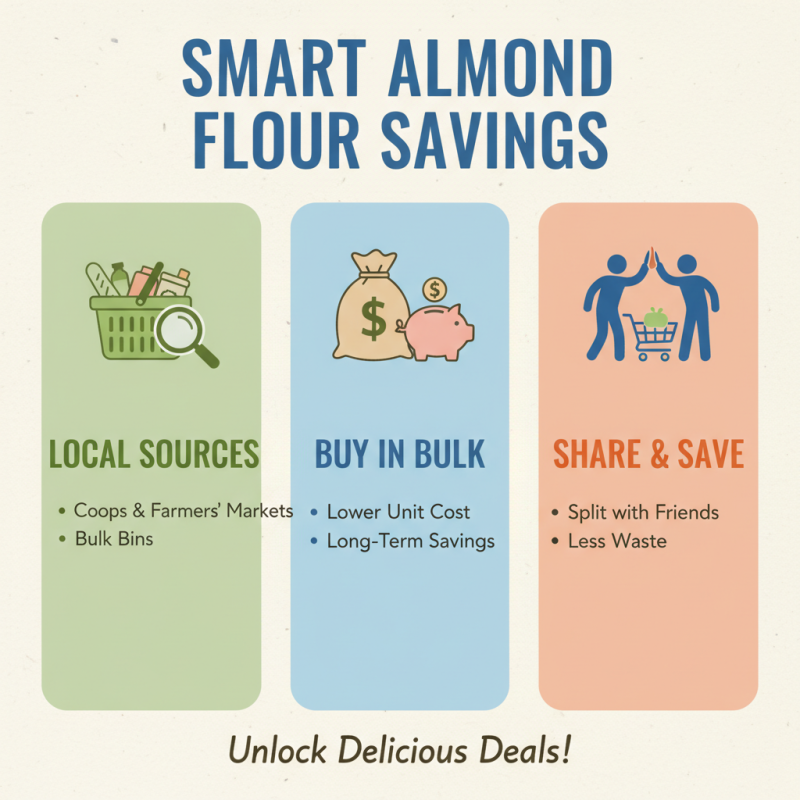
Finding discounts on almond flour can be more straightforward than it seems. Look for local co-ops and farmers' markets. They often have bulk bins with almond flour at lower prices. Buying in bulk can save you a significant amount over time. Consider splitting bulk purchases with friends. This approach shares the savings while reducing excess inventory at home.
Online shopping offers diverse opportunities, but be cautious. Search for suppliers that offer seasonal sales and promotions. Newsletters and social media updates from sellers can lead to unexpected discounts. Occasionally, retailers provide special deals on overstock items that can be an excellent opportunity for savings. Don't overlook using coupon websites or apps dedicated to food items.
Check out local grocery stores for loyalty programs. These programs can give you access to member-only discounts. Tracking prices can be beneficial, too. Monitoring the fluctuations helps identify the best times to buy. While the process might seem tedious, the savings can be rewarding. Remember, not every deal is a good one. Reflect on your needs and quantities to avoid unnecessary waste.
Reading Almond Flour Labels: What to Look For
When choosing almond flour, it’s essential to read the labels carefully. Look for the ingredient list. High-quality almond flour should contain only almonds. Some products may include additives or preservatives. This can affect both flavor and nutrition. Check for any additional ingredients that might not align with your dietary needs.
Nutritional information is also crucial. Take note of the protein, fat, and carbohydrate content. A good almond flour should be high in protein while remaining low in carbs. Pay attention to texture too. The flour should be finely ground for optimal baking results. Sometimes, coarser flour can lead to disappointing recipes.
Watch out for the packaging date. Freshness impacts flavor and nutrition. Older products might taste stale. Compare different brands and their pricing. Sometimes cheaper isn’t the best. You may end up sacrificing quality for cost. Consider trying small quantities at first to test flavors in your recipes.
Maintaining Quality: Storing Almond Flour Properly
Almond flour is a versatile ingredient, popular in gluten-free baking. However, maintaining its quality is crucial for optimal results. Proper storage is essential to keep it fresh and flavorful.
Store almond flour in an airtight container. This prevents exposure to moisture and air, which can lead to spoilage. It's best to keep it in a cool, dark place such as a pantry. If you don’t use it often, consider refrigerating or freezing it. This can extend its shelf life significantly. Remember to let it come to room temperature before using it in recipes.
Tips: Always check for rancidity before use. A bad odor means it's time to discard it. Organizing your storage area can help you keep track of expiration dates. Labeling containers with the purchase date will also help.
Even with the best storage methods, almond flour can sometimes lose its texture. Regularly check the flour's consistency and quality. Small changes can affect your baking outcomes, so it's okay to adjust your recipes as needed. Keeping a close eye on how you store almond flour can make a significant difference in your baking success.
The Versatility and Benefits of Pure Natural Organic Bulk Almond Flour Powder for Healthy Cooking and Baking
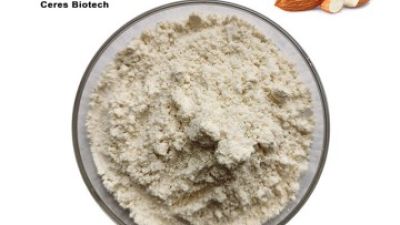
Almond flour powder has gained popularity in health-conscious kitchens due to its numerous benefits and versatility. Derived from ground almonds, this off-white powder boasts a remarkable 60% almond protein content, making it an excellent choice for those looking to increase their protein intake while enjoying gluten-free cooking and baking options. Studies have shown that almond flour is not only lower in carbohydrates compared to traditional flours but also rich in healthy fats and fiber, contributing to improved satiety and overall well-being.
Incorporating pure natural organic bulk almond flour powder into your diet can enhance a variety of recipes, from baked goods to smoothies. Its mild flavor complements sweet and savory dishes alike. A report from the International Food Information Council indicates that consumers are increasingly turning to alternative flours not only for dietary preferences but also for their nutritional benefits, with almond flour leading the pack. Additionally, almond flour is versatile for use in food, drinks, and dietary supplements, catering to various culinary needs while maintaining a gluten-free lifestyle.
Furthermore, the certification of this product, including HACCP, ISO22000, and USDA Organic, assures consumers of its quality and safety, making it a reliable ingredient for both home cooks and professionals. With pricing ranging from 5.4 to 13.5 USD per kilogram and an accessible minimum order quantity of just 1 KG, almond flour powder stands out as a convenient and healthful choice for enhancing your culinary creations.
FAQS
: Almond flour is high in protein, healthy fats, and fiber. It contains about 6 grams of protein per serving.
Almond flour adds moisture and enhances texture. It can create denser pastries when substituted for regular flour.
Yes, almond flour is gluten-free and a popular choice for those avoiding gluten in their baking.
Look for finely ground flour with a light color and fresh, nutty aroma. Packaging should be sealed properly.
Avoid products with additives or preservatives. These can diminish the quality and flavor of the flour.
Store it in an airtight container in a cool, dark place. Refrigerating or freezing can extend its shelf life.
Check for rancidity by smelling it. A bad odor means it is time to discard it.
Not all recipes work with almond flour. Adjustments might be necessary for optimal results.
Regularly check the flour's consistency. It’s okay to adjust recipes based on its texture.
Yes, reviews can provide insights on texture and taste nuances that you might not notice immediately.
Conclusion
Almond flour is a versatile ingredient known for its nutritional benefits, such as being high in protein and low in carbohydrates, making it an excellent choice for various dietary needs. When searching for high-quality almond flour, it's important to consider factors that influence its price, including production methods and sourcing. Consumers can find almond flour at both grocery stores and online retailers, with each option offering distinct advantages.
To ensure the best quality, it's crucial to compare brands and look for key indicators on labels, such as the source of the almonds and the absence of additives. Additionally, savvy shoppers can utilize tips for finding discounts and promotions. Once purchased, proper storage is essential to maintain the freshness and quality of almond flour, ensuring it remains a staple in your kitchen for healthy cooking and baking endeavors.