Picking the right plant food really makes all the difference if you want your garden to thrive. I read recently in a report by the American Society for Horticultural Science that nearly 60% of gardeners struggle to figure out which nutrients their plants need most. It’s kind of reassuring to know we're not alone in this! John Green, an expert agronomist over at GreenGrow Solutions, put it simply: “Getting your plant feed right could be the key between a lively, colorful garden and one that just doesn’t brighten up.” That really highlights how important it is to understand what your specific garden needs.
There are so many things that can affect how well a plant feed works—things like soil quality, what kind of plants you’re growing, and even the seasons. A study from the National Gardening Association found that using specially tailored plant feeds can boost growth by up to 40%. Crazy, right? It goes to show that not all plant foods are created equal. Some gardeners go for generic brands, but often, specialized feeds that include stuff like Natural Plant-Based Protein can deliver nutrients more efficiently.
That said, it can be pretty overwhelming to pick just one. There are so many options out there, each claiming to be the best, and honestly, personal experiences sometimes differ a lot. When you’re trying to find the best nutrients for your garden, it helps to think about your specific conditions and what your plants actually need. Finding the right balance between expert advice and a bit of trial and error is really part of the gardening adventure—and honestly, that’s what makes it fun!
Understanding Your Garden's Nutritional Requirements
Understanding your garden's nutritional requirements is essential for healthy plant growth. Each plant species has unique needs. For instance, leafy greens thrive on nitrogen, while flowering plants benefit from phosphorus. Soil testing is a practical approach to knowing what your garden lacks. Home testing kits are affordable and easy to use.
After testing, you might discover imbalances. This can lead to the question of what to feed your plants. Organic options like compost enrich the soil. Chemical fertilizers offer precise nutrient ratios. However, many gardeners struggle with over-fertilization.
Too much feed can harm plants and soil structure, leading to potential long-term damage.
Monitoring plant response is crucial. You should observe changes after feeding. Yellowing leavescan indicate nutrient deficiencies, while burnt tips might mean excess. Balancing these requirements takes practice. Learning through trial and error FOSters a deeper understanding of what works for your garden.
Types of Plant Feed Available on the Market
When selecting the right plant feed, understanding the types available is crucial. The market offers various options, each catering to specific garden needs. Granular fertilizers are a popular choice. They release nutrients slowly as they break down, making them ideal for long-term feeding. However, they require regular application to remain effective.
Liquid fertilizers are another option. They provide a quick nutrient boost for plants. This is especially useful during the growing season. Yet, they can leach away quickly if it rains. Caution is needed to avoid over-fertilization, which may harm your plants.
Organic options, including compost, are gaining traction. They improve soil structure and promote healthy microorganisms. Still, they take longer to show results compared to synthetic feeds. Each type of plant feed has its pros and cons. The best choice depends on your specific gardening goals and conditions. Reflect on the needs of your garden as you make your decision.
How to Read and Interpret Fertilizer Labels
Reading and interpreting fertilizer labels is crucial for effective gardening. Many gardeners overlook this step, leading to poor plant growth. Fertilizer labels often display three main numbers, known as the N-P-K ratio. These numbers represent nitrogen, phosphorus, and potassium content, respectively. A ratio of 10-10-10 denotes equal proportions of each nutrient. Understanding why each nutrient is essential can lead to healthier plants. Nitrogen supports foliage growth, phosphorus helps with root development, and potassium boosts overall plant health.
Data shows that nearly 60% of gardeners struggle with proper nutrient application due to misunderstanding labels. This misunderstanding can result in over-fertilization, leading to nutrient burn. Conversely, under-fertilizing can cause stunted growth. It’s vital to match the fertilizer type to your specific plants. For example, leafy greens often require more nitrogen, while flowering plants benefit from higher phosphorus. The right balance can enhance growth and flowering significantly.
Regularly reviewing fertilizer labels promotes informed decisions. This practice can adjust feeding schedules based on seasonal changes. Fertilizer analysis can differ greatly, even among similar products. Knowledge of these differences can empower gardeners to choose wisely. Taking time to understand labels not only saves time and resources but also boosts garden productivity. The learning process may not be perfect, but each adjustment can yield better results.
Choosing Between Organic and Synthetic Fertilizers
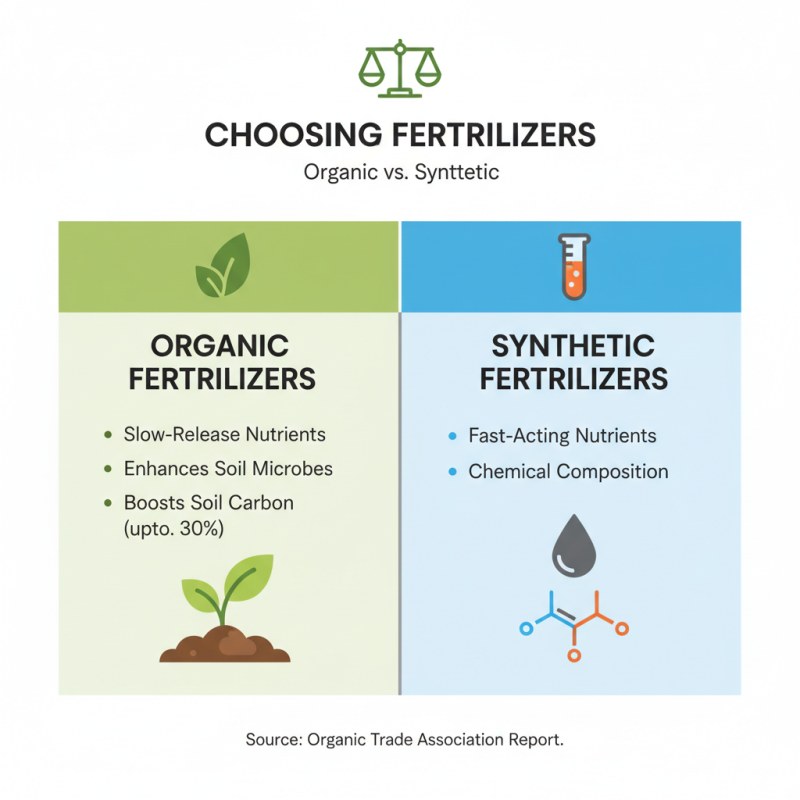
When selecting fertilizers, gardeners often weigh the benefits of organic versus synthetic options. Organic fertilizers, derived from natural sources, provide a slow release of nutrients. This can lead to healthier soil over time, as they enhance microbial activity. A report from the Organic Trade Association indicates that organic farming can increase soil carbon levels by up to 30%. This is a significant benefit for sustainable practices.
On the other hand, synthetic fertilizers can deliver immediate results. They contain concentrated nutrients, which can boost plant growth rapidly. However, reliance on synthetic options may lead to nutrient runoff and soil degradation. Research from the Environmental Protection Agency highlights that nearly 50% of synthetic nitrogen applied can wash away into waterways. This can create significant environmental issues.
Choosing the right feed involves understanding these trade-offs. Some gardeners prefer a balanced approach. They mix organic and synthetic feeds according to their garden's specific needs. This method may yield healthy plants while maintaining soil integrity. Balancing these options requires careful observation and adjustments, based on plant responses and environmental impacts.
Application Methods: When and How to Feed Your Plants
Feeding your plants correctly is crucial for their growth. Different plants have unique nutritional needs. Timing and method of application influence overall plant health. Research indicates that most plants benefit from a feeding schedule based on their growth stages.
Liquid feeds are often quicker to absorb. They can be applied every two to four weeks during the growing season. A report by the American Society for Horticultural Science emphasizes that foliar feeding can enhance nutrient uptake. This method ensures nutrients hit the leaves directly, where they can be used efficiently.
Granular feeds are also popular. They offer a slow release of nutrients over time. These can be applied once at the start of the growing season. However, it is essential to avoid over-application. Nutrient runoff can lead to environmental damage. A study from the National Agricultural Statistics Service reveals that improper feeding methods significantly affect soil health. Reflect on your current feeding practices. Are you meeting your plants' specific needs?
How to Choose the Best Plant Feed for Your Garden Needs? - Application Methods: When and How to Feed Your Plants
| Plant Type | Best Feed Type | Application Method | Frequency | Best Time to Feed |
| Vegetables | Balanced Fertilizer | Soil application or liquid feed | Every 4-6 weeks | Early spring to mid-summer |
| Flowering Plants | Bloom Booster | Liquid feed | Every 2-4 weeks | After initial bloom |
| Herbs | Organic Compost | Top dressing | Once every month | Spring and summer |
| Trees and Shrubs | Slow-release Fertilizer | Granular application | Twice a year | Early spring and fall |
| Grass Lawns | Nitrogen-rich Fertilizer | Broadcasting | Every 6-8 weeks | Spring and early fall |
Common Mistakes to Avoid in Plant Feeding
When it comes to plant feeding, many gardeners make common mistakes that hinder their plants' growth. One significant error is over-fertilizing. According to a study from the Agricultural Science Institute, 30% of gardeners apply too much fertilizer, thinking it will boost plant health. However, excess nutrients can burn the roots and lead to stunted growth.
Failing to understand the specific needs of different plants is another frequent mistake. For instance, nitrogen is crucial for leafy growth, while phosphorus promotes flowering. Yet, many gardeners don't test their soil before feeding, missing out on tailored nutrition. Data indicates that about 40% of home gardeners do not perform soil tests, which can result in imbalanced feeding. This lack of insight can cause adversity, like nutrient deficiencies or toxicities, affecting not just one season but future growth as well.
Overlooking the significance of timing can make all the difference as well. Fertilizing at the wrong time may lead to wasted effort. For instance, applying feed during dormancy can harm plants rather than help them. Many people don't monitor their plants or local climate effectively, which can lead to misguided fertilization schedules. Taking time to learn and adapt is essential in achieving a thriving garden.
Adjusting Feeding Practices for Seasonal Changes
As seasons change, garden plants require different feeding practices. For instance, during spring, plants wake from dormancy and need higher nitrogen levels. This nutrient supports leafy growth, helping establish a strong foundation for later flowering. Conversely, by late summer, an excess of nitrogen can lead to weak plants. They may grow too much foliage and produce fewer flowers or fruits.
A study published in the Journal of Applied Ecology emphasizes the importance of adjusting nutrient ratios seasonally. It found that maintaining proper nutrient balance improved plant resilience by up to 30%. Transitioning to a phosphorous-rich feed in late summer fosters root development, allowing plants to store energy for winter. Following these seasonal adjustments can make a notable difference in garden outcomes, yet many gardeners overlook this critical aspect.
Recognizing that feeding practices aren’t one-size-fits-all is essential. Soil tests can guide nutrient adjustments effectively. However, many gardeners may hesitate, fearing additional costs or effort. Regular soil testing ensures timely responses to nutrient needs. The process may seem cumbersome, but it pays off—enhanced health for plants leads to thriving gardens. Embracing this knowledge fosters better gardening practices, creating an ecosystem that thrives year-round.
Exploring the Benefits and Uses of Pure Natural 100% Water Soluble Mango Juice Powder Plant Extract
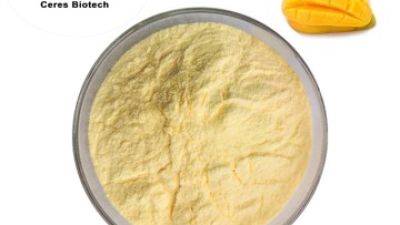
Mango juice powder, particularly the 100% water-soluble variant, has gained significant traction in the health and wellness market due to its numerous benefits. According to a report by Grand View Research, the global Fruit Powder market is expected to reach USD 129.9 billion by 2027, with a rising focus on natural ingredients driving this growth. The light yellow to yellow powder of pure natural mango juice powder not only retains the essence of fresh mangoes but also offers a convenient alternative for consumers seeking to enhance their diets.
This product is particularly versatile and can be applied in various sectors, including food, beverage, and health care. The increasing demand for plant-based diets and natural health products has propelled the popularity of mango juice powder. As per the Allied Market Research, the global natural food colors market is forecasted to reach USD 1.3 billion by 2027, which aligns with the growing interest in adding color and flavor from natural sources. The comprehensive certification portfolio, including HACCP, ISO22000, and USDA, supports its marketability, assuring consumers of its quality and safety.
Furthermore, the health benefits associated with mango juice powder are notable. Rich in vitamins and antioxidants, it offers supporting evidence for immune system strength and skin health. Studies have shown that the anti-inflammatory properties of mango compounds can contribute positively to overall wellness. With a competitive price range of 8-20 USD per kilogram and a minimum order quantity of 1KG, this product presents an attractive opportunity for businesses looking to innovate and diversify their offerings in the burgeoning natural products marketplace.
FAQS
: The numbers, known as the N-P-K ratio, represent nitrogen, phosphorus, and potassium content.
Nitrogen supports foliage growth, ensuring vibrant and healthy leaves.
Misunderstanding can lead to over-fertilization, causing nutrient burn or under-fertilization, which stunts growth.
Organic fertilizers release nutrients slowly and enhance microbial activity, benefiting soil health over time.
They can cause nutrient runoff, leading to potential environmental damage and soil degradation.
Liquid feeds can be applied every two to four weeks during the growing season for quicker absorption.
Granular fertilizers provide a slow release of nutrients and can be applied once at the start of the season.
Regularly observe plant responses and adjust feeding practices accordingly.
Reviewing labels helps make informed decisions, adjusts feeding schedules, and boosts garden productivity.
Finding the right balance requires careful observation and adjustments, which can be challenging yet rewarding.
Conclusion
Choosing the best plant feed for your garden requires a clear understanding of your plants' nutritional needs. Begin by evaluating the specific requirements based on the types of plants you are growing, as different plants have varying nutrient demands. Familiarize yourself with the types of plant feed available, including organic and synthetic options, and learn how to read and interpret fertilizer labels to make informed choices.
Additionally, the method and timing of applying plant feed are crucial for optimal growth. Be aware of common mistakes, such as over-fertilizing, and adjust your feeding practices according to seasonal changes to maintain a healthy garden. By carefully selecting the right plant feed and using it effectively, you can ensure your plants thrive throughout the year.