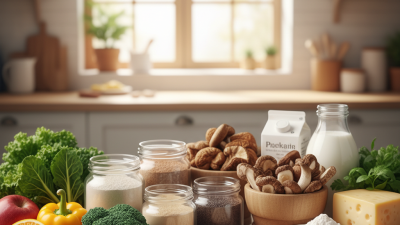
Picking out the best ingredients for your recipes is super important – honestly, it can make all the difference. Good quality ingredients don't just taste better; they also give your dishes a better texture. And hey, it's definitely worth thinking about where those ingredients come from. If you can, go for stuff from local farms; it’s usually fresher and keeps more of those vital nutrients.
When you’re tossing together your shopping list, keep in mind your dietary needs too. Are you going gluten-free, or maybe looking to spice things up with some Functional Mushroom Ingredients? These can be a fun way to add flavor and some health perks to your meals.
And honestly, not all ingredients are made equal. Don’t be afraid to try out different brands or sources – that’s part of the fun! Over time, you’ll figure out what works best for your cooking style. And yeah, it’s totally okay to mess up now and then. Every choice you make is a little step forward and might lead you to some tasty discoveries in the kitchen.

Understanding the Importance of Quality Ingredients in Cooking
Quality ingredients play a crucial role in culinary success. Reports show that dishes made with high-quality ingredients not only taste better but also provide more nutritional benefits. According to a 2022 study published by a leading food science journal, meals prepared with fresh, organic ingredients can contain up to 30% more vitamins and minerals compared to those made with processed items. Consumers often overlook the significant impact this choice has on health and flavor.
Selecting the right ingredients demands focus. Often, the appeal of a recipe may tempt cooks to prioritize convenience over quality. Pre-packaged items may save time but can include preservatives that compromise flavor. One survey revealed that 65% of home cooks feel their meals lack vibrancy due to using lower-quality ingredients. It’s noteworthy that fresh vegetables and herbs can elevate a simple dish, offering depth and complexity.
Culinary exploration should embrace local markets. Ingredients sourced from nearby farms often yield better flavor profiles. In a recent analysis, meals featuring local produce were rated 15% higher in taste tests than those using distant sources. Yet sometimes, convenience trumps quality. It’s essential to reflect on how this affects cooking experiences. It may mean letting go of shortcuts to savor genuine flavors.
Identifying Fresh and Seasonal Produce for Optimal Flavor
Choosing fresh and seasonal produce can elevate your dishes significantly. Seasonal ingredients often boast better flavor and nutritional value. Studies show that fresh fruits and vegetables can retain higher levels of vitamins and antioxidants. For instance, tomatoes picked at peak ripeness contain up to 40% more vitamin c than those harvested early. This difference can impact your recipes immensely.
When sourcing ingredients, think of local farmer's markets. They often provide in-season produce, ensuring you get the freshest options. It’s common to find a variety of options there, from juicy strawberries in spring to hearty squash in the fall. These ingredients not only taste better but also support local agriculture. Remember to ask the vendors about their harvest schedule; this knowledge can guide your meal planning.
Tips:
1. Buy what’s in-season to maximize flavor.
2. Engage with local farmers to understand what's freshly harvested.
3. Consider using Pms Relief Ingredients like fresh herbs to enhance both flavor and wellness in your recipes.
Reflecting on your selection process can reveal gaps. Are you choosing ingredients solely based on convenience rather than quality? Each choice impacts not just taste but your overall culinary experience. Embrace the imperfections and discover new flavors along the way.
Choosing High-Quality Proteins: Tips for Meat and Seafood Selection
Choosing high-quality proteins is essential for any recipe. Freshness matters. When selecting meat, look for vibrant colors. A rich red hue in beef indicates freshness. Chicken should have a clean, pale appearance. Seafood should smell like the ocean, not fishy. Opt for firm textures when choosing fish. The skin should look shiny and fresh.
Consider the source of your proteins. Local farms may offer better quality than mass producers. Understanding the basics of humane practices can guide you. Look for free-range poultry and sustainable fish. Prices may vary, so it's wise to compare options. Sometimes, what seems cheapest may not be the best choice for health.
Incorporating Longevity Ingredients can boost the nutritional profile of your meals. For instance, pairing lean meats with herbs or vegetables can enhance flavors. Always inspect the ingredients before cooking. Reflect on your selections. Are you prioritizing flavor and health? Sometimes a little reflection leads to better meals.
High-Quality Protein Selection: Meat and Seafood Types
Exploring Different Types of Fats and Oils for Cooking
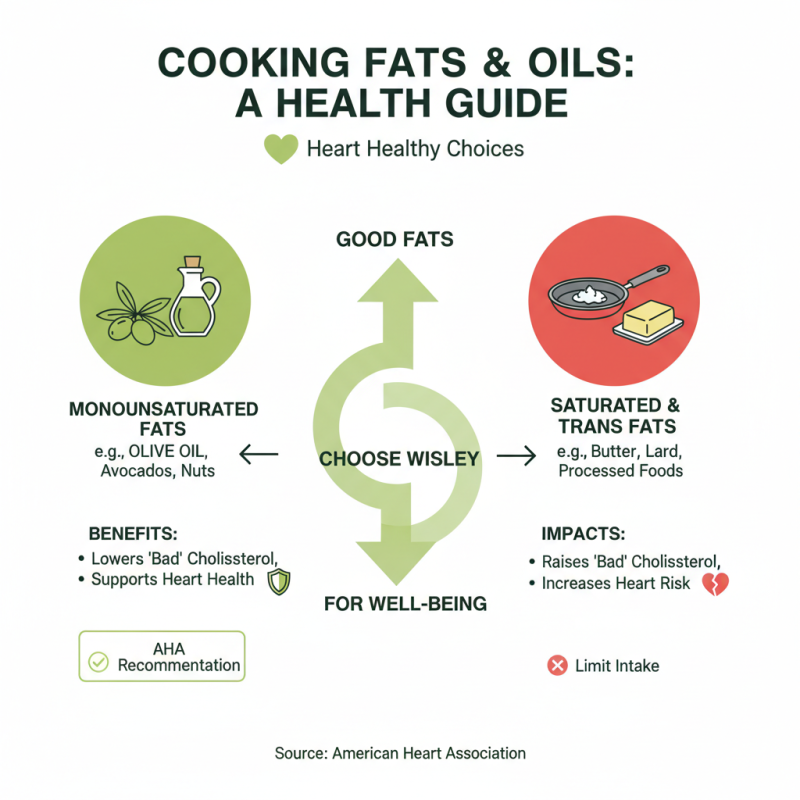
When exploring fats and oils for cooking, understanding their health implications is critical. Oils are not just cooking mediums; they impact our overall well-being. For instance, a study by the American Heart Association states that monounsaturated fats, found in olive oil, can lower bad cholesterol levels. This can significantly benefit heart health, making it a go-to for many.
However, many cooks overlook the balance of oils in their diets. Saturated fats, often present in butter, can raise cholesterol. Research indicates that about 70% of people underestimate these risks. Using a variety of fats in moderation may be the key. Flaxseed oil, high in omega-3, is a fantastic alternative. It not only enhances flavors but also supports Sports Nutrition Ingredients, promoting muscle recovery.
Furthermore, understanding smoke points is crucial in choosing the right oil. High smoke point oils, like avocado oil, are ideal for frying. Yet, they come with a higher cost, potentially leading to consumer hesitance. People often stick to traditional oils, not realizing healthier options exist. Don't settle for what's familiar. Experimenting with different oils can enhance recipes and improve health.
Navigating the World of Grains and Carbohydrates for Recipes
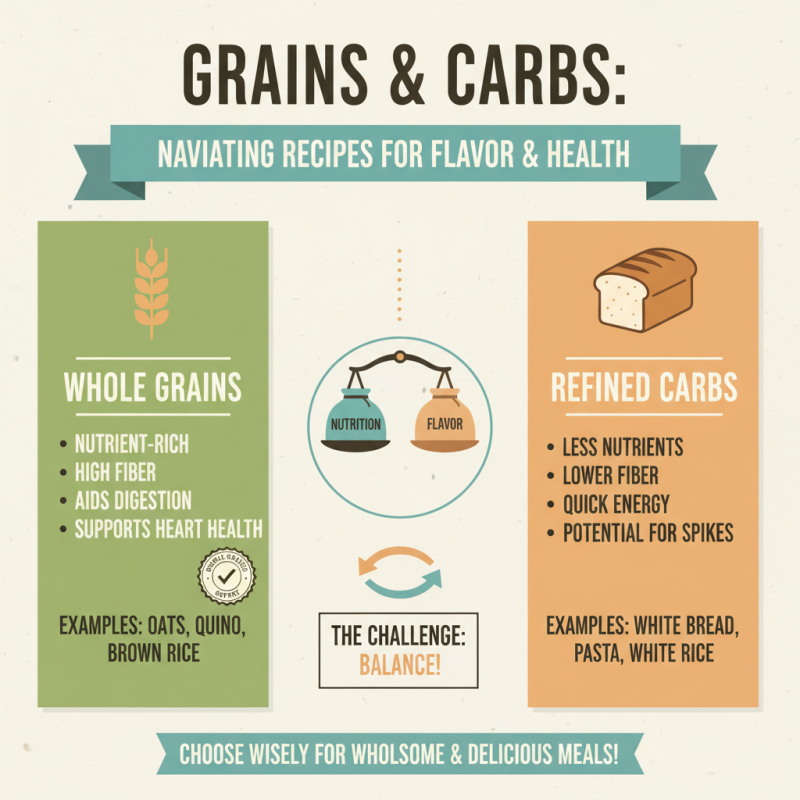
Navigating the world of grains and carbohydrates can be challenging. Many recipes rely on these staples for flavor and texture. Yet, not all grains are equal. A report from the Whole Grains Council states that whole grains retain more nutrients. They are rich in fiber, which aids digestion and supports heart health. However, the challenge lies in balancing flavor and nutrition.
Choosing the right carbohydrate depends on the dish. Quinoa, for instance, is a complete protein. It’s an excellent choice for salads or side dishes. Brown rice is another healthy option, but it takes longer to cook. Some people may find it chewy and less appealing. Not all grains are suitable for everyone. Gluten sensitivities can make wheat and barley problematic. Knowledge of these factors is crucial when selecting ingredients.
The right grains can elevate your cooking. Yet, there is a fine line between health and taste. Some may prioritize health, sacrificing flavor in the process. Others may ignore nutritional value for the sake of taste. It’s essential to find a balance. Experimenting with different grains can lead to new culinary discoveries. A study shows that diverse diets lead to better overall health. Remember, the journey of choosing ingredients is fueled by both knowledge and intuition.
Utilizing Herbs and Spices to Enhance Culinary Creations
Choosing the right herbs and spices can transform a mediocre dish into something remarkable. The right flavor combinations can enhance your culinary creations. For instance, fresh basil pairs beautifully with tomatoes, while rosemary complements roasted meats. These ingredients add depth and warmth to your recipes.
Tips: Start with small amounts of herbs and spices. Taste as you go. Remember, it’s easier to add than to take away. Experiment with combinations that might seem unusual. Consider how they can boost not just flavor but also nutrition, supporting Men's Health Ingredients. For example, using turmeric can contribute to overall wellness.
When incorporating herbs and spices, freshness matters. Dried herbs can lose their potency over time. Check their aroma before use. Sometimes, letting flavors meld can create unexpected results. Don't be afraid to trust your instincts, even if they lead you to an unconventional choice. Remember to keep records of what works and what doesn't.
Considering Dietary Restrictions and Preferences in Ingredient Choices
When selecting food ingredients, it’s essential to consider dietary restrictions and preferences. Allergies, intolerances, and lifestyle choices play a significant role in ingredient selection. For example, gluten-free diets are crucial for those with celiac disease. Using alternative grains like quinoa or rice flour can help. Similarly, lactose intolerant individuals often need dairy substitutes. Almond or oat milk can serve as viable replacements.
Vegetarian and vegan diets also require careful attention. Ingredients like tofu, lentils, and chickpeas provide essential protein. However, recipe creators must consider texture and flavor. Not every meat substitute works for every dish. Testing different combinations can lead to unexpected results. Sometimes, the chosen ingredients may not prepare well together, affecting the overall taste experience.
Balancing preferences can present challenges too. Family members may have conflicting dietary needs. A single recipe might not appeal to everyone. In these cases, modular recipes are useful. Prepare components separately. Allow people to customize their plates. This approach can enhance overall enjoyment and reduce waste. Reflecting on what works and what doesn’t is part of the journey.
Exploring the Benefits and Market Trends of Food Additives: A Deep Dive into NAC N-Acetyl-L-Cysteine Powder (CAS 616-91-1)
N-Acetyl-L-Cysteine (NAC) powder, recognized by its chemical identifier CAS 616-91-1, is gaining attention in the health and wellness sector due to its numerous benefits. This white powder is known for its potent antioxidant properties, which help combat oxidative stress in the body. Its primary application in health care highlights its role in supporting respiratory health, liver detoxification, and immune function. As consumers continue to pursue supplements that promote overall well-being, the demand for NAC is on the rise.
In terms of market trends, the popularity of food additives, specifically those that enhance nutritional value, is growing. With a purity specification of 99%, NAC powder aligns with the increasing consumer desire for high-quality ingredients. Priced between 13.5 and 22.0 USD per kg, it remains accessible for both individual and commercial applications. Furthermore, its certifications, including HACCP, ISO22000, and USDA organic standards, cater to a diverse consumer base that prioritizes safety and quality in their health products. The versatility of NAC powder not only serves the health care sector but also reflects the evolving landscape of dietary supplements and food additives.
FAQS
: Seasonal produce tastes better and has higher nutritional value. Fresh fruits and vegetables retain more vitamins.
They offer fresh in-season produce, ensuring better flavor. Engaging with vendors enhances your meal planning.
Use a variety of fats in moderation. Consider healthier options like oils high in omega-3 for better well-being.
Different oils have varying smoke points. Choosing the right oil for cooking methods can improve flavor and health.
Fresh herbs and spices add depth and warmth. They can transform ordinary dishes into remarkable ones.
Start small and taste as you go. Freshness matters; dried herbs lose potency over time.
Yes, experimenting can lead to unique flavors. Trust your instincts, even if choices seem unconventional.
Fats affect your overall health. Balance is key; too much saturated fat can raise cholesterol levels.
Conclusion
Choosing the best food ingredients is essential for elevating your culinary creations. Understanding the importance of quality ingredients in cooking lays the foundation for delicious meals. Fresh and seasonal produce not only enhances flavor but also supports sustainable practices. When selecting proteins, whether meat or seafood, it's crucial to prioritize high-quality options that can contribute to a balanced diet.
Exploring various fats and oils helps in achieving the desired taste and texture in your dishes, while navigating through grains and carbohydrates ensures a wholesome approach to your recipes. Additionally, utilizing herbs and spices can significantly enrich your meals. Lastly, being mindful of dietary restrictions and preferences allows for more inclusive and thoughtful ingredient choices, making sure everyone can enjoy your cooking. Selecting the right food ingredients is key to creating memorable dining experiences.