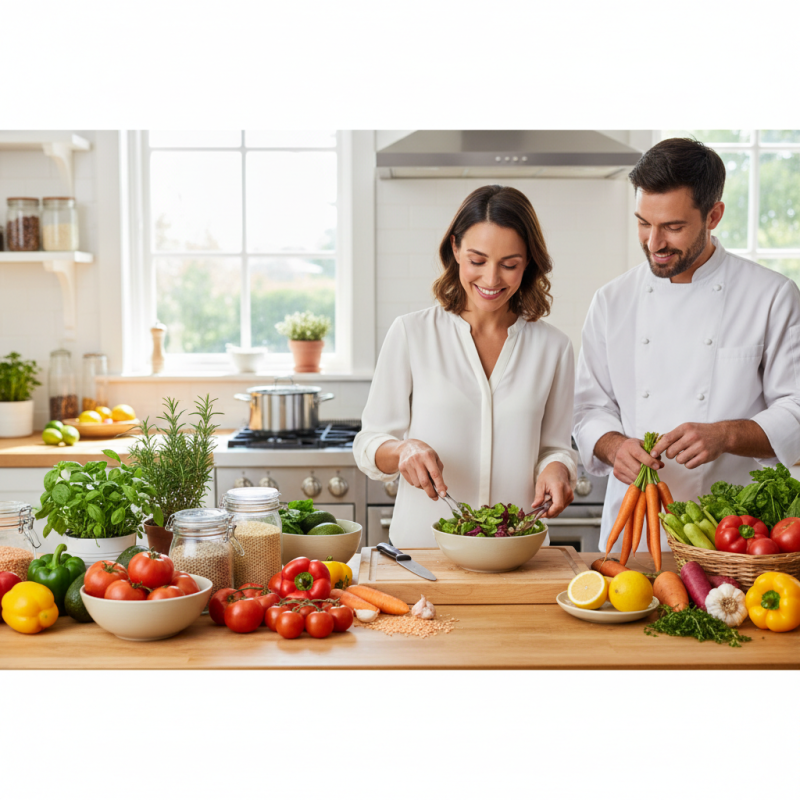
When it comes to healthy cooking, picking the right ingredients really makes all the difference in both the nutrition and how good our meals turn out. Dr. Emily Johnson, a nutrition expert from the Culinary Institute of America, hits the nail on the head when she says, "The quality and where your ingredients come from can turn a regular meal into something special — boosting flavor and making it healthier too." Knowing how to choose good ingredients isn't just about recipes; it’s about giving yourself the power to whip up dishes that not only taste great but also nourish your body.
As we get into the nitty-gritty of picking ingredients, it’s good to keep in mind things like freshness, organic options, and how nutritious each ingredient really is. These little details can totally change the health impact of what we cook. By focusing on high-quality, whole foods, both home cooks and professionals can take their cooking up a notch and contribute to a healthier lifestyle. At the end of the day, making thoughtful choices in the kitchen really can pay off in the long run.
Understanding Nutritional Values of Food Ingredients
Understanding the nutritional values of food ingredients is crucial for making healthier cooking choices. Nutritional values typically encompass macronutrients, such as carbohydrates, proteins, and fats, as well as micronutrients, including vitamins and minerals. For instance, foods high in fiber, like whole grains and vegetables, not only support digestive health but also help regulate blood sugar levels. By prioritizing ingredients that offer a balanced blend of these nutritional components, one can create meals that nourish both the body and mind.
When evaluating food ingredients, it's essential to look beyond basic nutrition labels. For example, the source of the food can significantly influence its health benefits. Organic produce often contains fewer pesticides and can provide higher levels of certain nutrients compared to conventionally grown options. Additionally, understanding the role of antioxidants in foods—found in berries, nuts, and spices—can help in selecting ingredients that combat oxidative stress and promote overall wellness. By being mindful of these factors, home cooks can enhance both the healthfulness and flavor of their meals, leading to more enjoyable and balanced diets.
Identifying Fresh vs. Processed Food Choices
When it comes to healthy cooking, distinguishing between fresh and processed food choices is crucial. Fresh foods, such as fruits, vegetables, whole grains, and lean proteins, are often packed with essential nutrients, vitamins, and minerals. Fresh produce typically boasts a higher antioxidant content and fewer additives, making it a preferable option for those seeking to improve their overall health. When shopping for fresh ingredients, look for seasonal fruits and vegetables, as they are likely to be more flavorful and nutrient-dense.
On the other hand, processed foods can vary widely in their health implications. Some minimally processed items like pre-cut vegetables or canned beans retain their nutritional value and can be convenient for quick meal preparation. However, heavily processed foods often contain high levels of added sugars, unhealthy fats, and preservatives, which can detract from their nutritional quality. To make informed choices, it’s essential to read labels carefully and be mindful of ingredient lists. Opting for items with fewer and simpler ingredients can help ensure that you’re choosing healthier options for your meals. Understanding these distinctions can empower home cooks to create meals that are not only delicious but also beneficial for their well-being.
Incorporating Whole Foods into Your Diet
Incorporating whole foods into your diet is a fundamental step toward achieving optimal health. Whole foods are those that are minimally processed or refined and are free from artificial substances. According to a study published in the Journal of the American College of Cardiology, a diet rich in whole foods can significantly reduce the risk of chronic diseases, including heart disease and diabetes. The study found that individuals consuming higher amounts of fruits, vegetables, whole grains, and legumes had a 30% lower risk of cardiovascular events compared to those whose diets were predominantly processed foods.
Adopting a whole foods diet not only promotes better physical health but also offers mental health benefits. Research from the University of Cambridge has indicated that individuals who consume a diet rich in whole foods report lower levels of anxiety and depression. This can be attributed to the higher nutrient density of whole foods, which are packed with vitamins, minerals, and antioxidants that support brain health. Integrating a variety of these foods into your meals, such as leafy greens, nuts, seeds, and whole grains, can enhance mental well-being and improve overall quality of life. By choosing whole foods, individuals can effectively fuel their bodies and minds, FOStering a holistic approach to health.
How to Choose the Best Food Ingredients for Healthy Cooking - Incorporating Whole Foods into Your Diet
| Ingredient | Nutritional Benefits | Culinary Uses | Best Preparation Method |
| Quinoa | High in protein and fiber, gluten-free | Salads, bowls, side dishes | Boil or steam |
| Kale | Rich in vitamins A, C, and K, antioxidant properties | Smoothies, salads, sautés | Sauté or steam |
| Sweet Potatoes | High in vitamins A and C, fiber-rich | Baking, mashing, soups | Bake or steam |
| Chickpeas | Good source of protein and vitamins, low in fat | Salads, hummus, stews | Boil or roast |
| Avocado | Healthy fats, fiber, potassium | Salads, spreads, smoothies | No cooking required, add fresh |
Selecting Organic vs. Conventional Ingredients
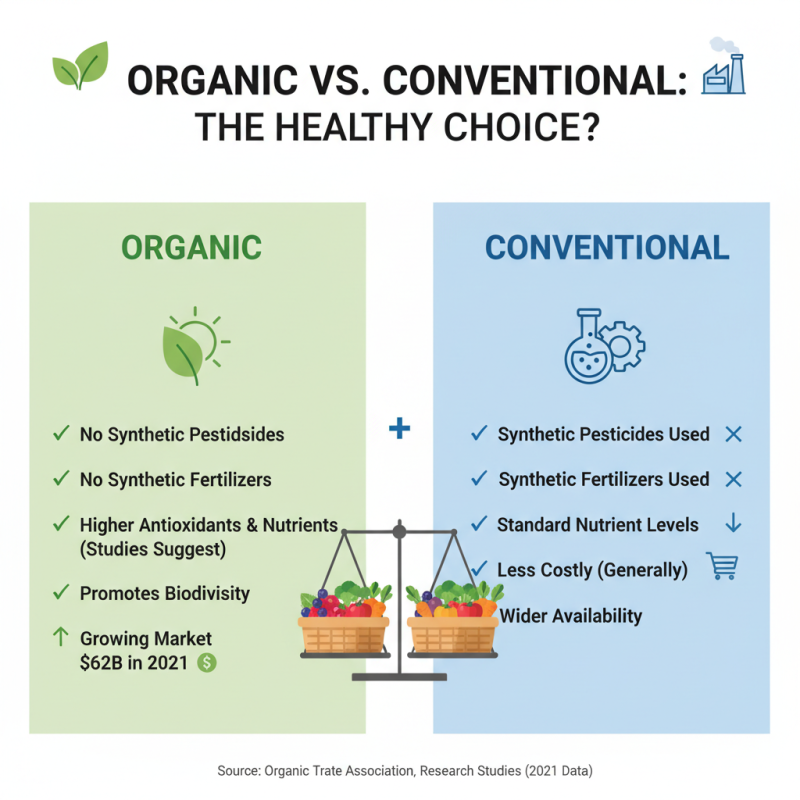
When it comes to selecting food ingredients for healthy cooking, the debate between organic and conventional options remains a hot topic among health-conscious consumers. Organic ingredients are often perceived as superior due to their production methods that prohibit the use of synthetic pesticides and fertilizers. A report from the Organic Trade Association indicates that organic food sales have been growing steadily, with the market reaching approximately $62 billion in 2021, reflecting a broad consumer shift toward more natural dietary choices. This trend is substantiated by a growing body of research suggesting that organic fruits and vegetables may contain higher levels of certain nutrients and antioxidants compared to their conventional counterparts.
However, while organic ingredients can offer potential health benefits, conventional produce is often more accessible and affordable for many consumers. According to the U.S. Department of Agriculture, conventional farming methods can yield crops at a lower cost, enabling farmers to supply fresh produce to a wider audience. Moreover, many conventional items undergo rigorous safety inspections and are regularly tested for pesticide residues. A study from the Environmental Protection Agency showed that the pesticide levels found in conventional produce were typically within safe limits established by regulatory agencies. Therefore, as consumers navigate the choice between organic and conventional ingredients, it is essential to consider factors such as budget, accessibility, and personal health goals, all while staying informed about the benefits and safety of the food they purchase.
Importance of Seasonal Ingredients in Cooking
Incorporating seasonal ingredients into your cooking not only enhances the flavor and nutritional value of your meals but also supports sustainable food practices. According to a report by the Food and Agriculture Organization (FAO), consuming seasonal produce reduces the carbon footprint associated with transportation, proving beneficial for the environment. Seasonal fruits and vegetables are often harvested at their peak ripeness, resulting in higher levels of essential vitamins and minerals. For instance, a study published in the journal “Nutrients” highlights that fresh, seasonal vegetables often contain 20-40% more antioxidants compared to out-of-season produce.
Additionally, choosing seasonal ingredients can lead to cost savings. A report by the USDA indicates that purchasing local, seasonal foods can be significantly cheaper than imported items, especially those that have been out of season. This is primarily because local farmers grow crops adapted to their climate and soil, meaning they typically require fewer resources. Furthermore, seasonal ingredients encourage variety in the diet, helping to combat nutritional deficiencies by promoting the consumption of a wider range of foods throughout the year.
By embracing the rhythm of the seasons, cooks can create healthier, more delicious meals while contributing to the local economy and reducing environmental impact.
Balancing Macros: Proteins, Fats, and Carbohydrates
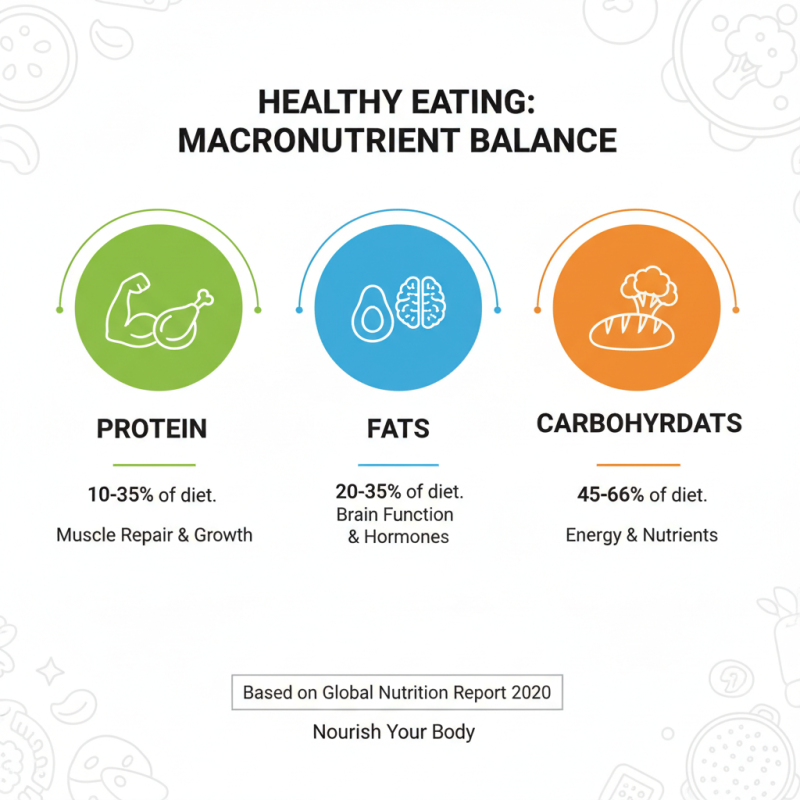
When it comes to healthy cooking, understanding how to balance macronutrients—proteins, fats, and carbohydrates—is essential for creating nourishing meals. A 2020 report from the Global Nutrition Report highlights that an ideal diet should consist of 10-35% protein, 20-35% fats, and 45-65% carbohydrates. Each macronutrient plays a unique role in the body. Proteins are crucial for muscle repair and growth, while healthy fats support brain function and hormone production. Carbohydrates, particularly in the form of whole grains and vegetables, provide the body with energy and essential nutrients.
To achieve this balance, it is important to choose high-quality ingredients. For proteins, lean meats, fish, legumes, and plant-based options like quinoa and tofu are excellent choices. Healthy fats can be sourced from nuts, seeds, avocados, and olive oil, which provide essential fatty acids without excessive saturated fat. Meanwhile, complex carbohydrates found in foods such as sweet potatoes, brown rice, and leafy greens not only fuel activity but also contribute vital vitamins and minerals. By understanding and applying these ratios and ingredient choices in cooking, individuals can optimize their nutrition and enhance their overall well-being.
Tips for Reading Food Labels Effectively
When it comes to healthy cooking, selecting the right food ingredients starts with understanding food labels. Knowing how to read these labels effectively can empower you to make better nutritional choices and avoid unnecessary additives.
One tip for reading food labels is to always check the serving size. Often, the nutrition information is based on a serving that may not reflect how much you actually consume. This can lead to underestimating calorie and nutrient intake. Additionally, be mindful of the ingredient list; ingredients are listed in descending order by weight. This means the first few ingredients are the most prominent, which can help you identify foods that are rich in whole ingredients versus processed fillers.
Another important aspect to consider is the nutritional facts panel. Focus on key nutrients such as fiber, sugars, and sodium. For a healthier choice, aim for foods that are higher in fiber and lower in added sugars and sodium. Some labels may also highlight certain health claims, but it’s essential to look beyond that and analyze the full nutritional information. By utilizing these tips, you can make informed decisions that align with your goals for healthy cooking.
Nutrition Breakdown of Common Food Ingredients
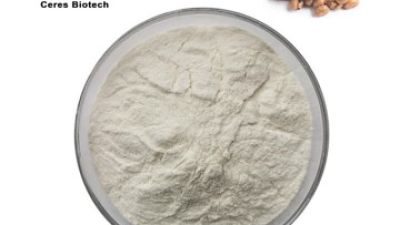
Exploring the Health Benefits and Uses of Food Grade Natto Extract Nattokinase Powder 20000 fu/g
nattokinase, a powerful enzyme derived from natto, has gained attention for its numerous health benefits. Known for its ability to support cardiovascular health, nattokinase works by breaking down fibrin, a protein involved in blood clotting. This action may help improve circulation and enhance overall heart function. With a specification of 20000 fu/g, food-grade nattokinase powder is widely used in health care applications, providing an effective tool for those seeking to promote their well-being.
The appearance of this enzyme is typically light yellow to off-white powder, making it suitable for incorporation into various dietary supplements. Priced between 40 to 120 USD for a minimum order quantity of 1KG, it represents a valuable addition to health products aimed at enhancing blood health. Moreover, the powder boasts several certifications, including HACCP, ISO22000, Kosher, and Halal, ensuring its quality and safety for consumers. With its growing reputation, food-grade nattokinase powder stands out as an excellent option for individuals looking to integrate natural health solutions into their daily regimen.
FAQS
: Fresh foods, such as fruits, vegetables, whole grains, and lean proteins, are typically more nutritious and contain fewer additives compared to processed foods. Processed foods can vary in health quality, with minimally processed options being healthier, while heavily processed foods often have high levels of sugars, unhealthy fats, and preservatives.
Seasonal fruits and vegetables are likely to be more flavorful and nutrient-dense, which can improve the overall taste and nutritional quality of meals.
To identify healthier processed foods, it is essential to read labels carefully. Look for items with fewer and simpler ingredients, as these typically indicate better nutritional quality.
An ideal diet should consist of 10-35% protein, 20-35% fats, and 45-65% carbohydrates, as highlighted in a 2020 report from the Global Nutrition Report.
Proteins are vital for muscle repair and growth, healthy fats support brain function and hormone production, while carbohydrates provide energy and essential nutrients.
High-quality protein sources include lean meats, fish, legumes, and plant-based options like quinoa and tofu.
Healthy fats can be sourced from nuts, seeds, avocados, and olive oil, which provide essential fatty acids without excessive saturated fat.
Complex carbohydrates found in foods such as sweet potatoes, brown rice, and leafy greens should be prioritized, as they not only fuel activity but also contribute vital vitamins and minerals.
By understanding and applying the appropriate ratios of macronutrients and choosing high-quality ingredients, individuals can optimize their nutrition, enhance their overall well-being, and create nourishing meals.
Conclusion
Choosing the best food ingredients for healthy cooking involves a comprehensive understanding of their nutritional values. By distinguishing between fresh and processed foods, individuals can make informed decisions that favor whole foods, which are generally more nutrient-dense. The selection process must also account for organic versus conventional ingredients, as well as seasonal options, to maximize health benefits and support local agriculture.
Additionally, balancing macronutrients—proteins, fats, and carbohydrates—is crucial for a well-rounded diet. To further enhance nutritional awareness, effectively reading food labels allows consumers to make choices that align with their health goals. By focusing on these principles, one can optimize their diet through mindful selection of food ingredients, fostering overall well-being.