Picking out the best cosmetic ingredients for your products can definitely feel overwhelming at first. I mean, Dr. Emily Carter from SkinScience Lab puts it nicely—she says, "Using the right ingredients can really be what takes your product from just okay to truly exceptional." That just goes to show how important it is to really understand what’s in your formulations.
With so many options out there, it’s crucial to choose ingredients that actually work. Take sodium hyaluronate, for example — it’s a big hit for hydration, and you can find it in many products. But here’s the thing: not every trend or ingredient suits everyone’s skin. So, testing and doing a bit of research about your target users is pretty much essential.
Knowing where your ingredients come from, how they work, and making sure they’re safe can really help boost your brand’s credibility. Transparency is everything these days — folks are way more aware of what they’re putting on their skin, and they want proof that it actually works. Of course, not every ingredient will be perfect for everyone, and that’s totally okay. Embracing a bit of trial and error is part of the process, and honestly, it can make your products even better in the long run.
Understanding Cosmetic Ingredients: A Comprehensive Guide
Understanding cosmetic ingredients is essential for formulating effective products. In recent studies, about 70% of consumers look for products with known ingredients. Familiarizing yourself with the science behind these components can elevate your brand's credibility. Natural ingredients, such as aloe vera powder cosmetic grade, have gained attention for their skin-soothing properties. Interestingly, data indicates that products featuring such natural extracts see higher consumer preference.
However, not all natural ingredients are equal. Some may contain impurities or lack the expected efficacy. For instance, aloe vera powder can vary in quality, which influences its performance in formulations. A report reveals that nearly 40% of cosmetic products claim to be "natural" but contain synthetic additives. This discrepancy highlights the importance of transparency. Choosing high-quality sources and validating ingredient claims is crucial in a competitive market.
Additionally, awareness of individual ingredient benefits allows formulators to target specific skin concerns. Knowledge in formulation science is vital. Ingredients like aloe vera powder cosmetic grade should be backed by research. Consumers are increasingly savvy, making their purchase decisions based on ingredient transparency and effectiveness. The cosmetic industry must adapt to keep up with evolving consumer demands for reliable information.
Identifying Your Skin Type and Its Needs
Identifying your skin type is crucial for choosing the right cosmetic ingredients. There are five primary skin types: oily, dry, combination, sensitive, and normal. Each type has unique needs. For instance, oily skin often requires lightweight, non-comedogenic ingredients to prevent breakouts. A report by the American Academy of Dermatology suggests that over 50% of individuals with oily skin experience acne-related issues.
In contrast, dry skin benefits from thicker moisturizers containing humectants and oils. Ingredients like Cosmetic Grade Ergothioneine can offer antioxidant protection and enhance skin hydration. A survey from the Journal of Cosmetic Dermatology highlights that 68% of participants with dry skin saw significant improvements after using products with such ingredients. Recognizing these specifics helps consumers address their skin concerns effectively.
Sensitive skin demands particular attention. Simple formulations with fewer irritants are ideal, as 70% of individuals with sensitive skin report reactions to common cosmetic ingredients. By understanding your skin type and its distinct needs, you can make informed decisions. This awareness can lead to healthier skin and overall satisfaction with your cosmetic choices.
Common Cosmetic Ingredients and Their Functions
Choosing the right cosmetic ingredients can be daunting. Many ingredients serve specific functions. Understanding these can enhance your product formulation.
Moisturizers like hyaluronic acid attract water to the skin, providing hydration. Emollients such as shea butter soften and smooth the skin's surface. Exfoliants, including alpha-hydroxy acids, help remove dead skin cells. Each of these ingredients plays a unique role in improving skin texture and appearance.
Active ingredients can vary widely. Some may cause irritation, especially in sensitive skin types. Always test formulations for compatibility. Conducting a patch test is essential, as interactions among ingredients may occur. Not all combinations yield positive results. This highlights the importance of ongoing learning when selecting ingredients.
Evaluating Ingredient Safety and Efficacy
When evaluating ingredient safety, look for certifications from reliable organizations. These certifications help ensure that ingredients undergo rigorous testing. Always research the potential side effects associated with each ingredient. Understanding the link between ingredients and skin reactions is crucial.
Efficacy is just as vital. Consider how an ingredient interacts with the skin. For example, antioxidants like vitamin c can brighten and protect. However, not all antioxidants are equal. Some may irritate sensitive skin, while others provide minimal benefits. It's essential to balance efficacy with safety.
Knowledge gaps exist in cosmetic ingredients. Many users rely on marketing claims without understanding the science. This can lead to purchasing products that may not work as intended. Continuous research and aware reflection help consumers make informed choices. Keep questioning the ingredients in your products for better results.
Choosing Ingredients Based on Skin Concerns
Choosing the right cosmetic ingredients is crucial for addressing specific skin concerns. One popular option gaining attention is Functional Mushroom Ingredients. These natural components have unique properties that can benefit different skin types. Research indicates that mushrooms like Reishi and Chaga possess anti-inflammatory and antioxidant qualities, making them effective for sensitive or aging skin.
Data from the cosmetic industry shows that nearly 36% of consumers prioritize products that address visible signs of aging. Incorporating Functional Mushroom Ingredients can enhance moisture levels and promote skin elasticity. Many users report improved skin texture after a few weeks of use. However, the effectiveness of these ingredients can vary among individuals.
It’s essential to recognize that not all mushrooms are the same. While some may work wonders for hydration, others might not yield significant results. Understanding your skin type is pivotal. Keep in mind that individual reactions to ingredients can differ. What works for one person may not work for another. Testing and observation are key. Always consider the broader picture when selecting ingredients for your cosmetic products.
The Importance of Formulation and Compatibility
Choosing the right cosmetic ingredients hinges on understanding formulation and compatibility. Each ingredient interacts differently with others. For instance, oil and water-based components may not mix well. This can lead to product instability. Poor formulation leads to subpar results. Ensuring compatibility simplifies processes and improves outcomes.
When selecting ingredients, consider viscosity, pH, and solubility. A well-thought-out blend enhances skin absorption and effectiveness. Experimentation is key. Sometimes, what looks good on paper doesn’t translate to real-world success. Don’t be afraid to tweak your formulas. Sometimes, less is more. Start with fewer ingredients and build complexity gradually.
Keep in mind the importance of sourcing. Quality and purity of ingredients matter. Some may be contaminated or misleading. Knowledge is your best tool. Attend workshops or read reputable sources to stay informed. This approach enhances your formulations and boosts product trustworthiness. By prioritizing formulation and compatibility, you lay a strong foundation for successful cosmetic products.
Sourcing and Sustainability Considerations for Cosmetic Ingredients
Sourcing and sustainability are critical when selecting cosmetic ingredients. Many consumers now prefer products made with ethical practices. This shift forces brands to rethink their choices. It’s not just about effectiveness; it’s about the environment too.
Sustainable sourcing involves understanding the origin of each ingredient. Harvesting methods and ecological impact matter. For instance, Pms Relief Ingredients often come from plants that need careful cultivation. Overharvesting can lead to depletion or threaten local ecosystems. Transparency in sourcing helps build trust with consumers.
Many companies struggle with balancing quality and ethical sourcing. Some suppliers may promise sustainability but fail to deliver. Brands must do their research, asking the right questions. Are the ingredients organic? What processes are involved in extraction? Considering these aspects ensures safer options for consumers and respects общи ecological systems.
Harnessing the Power of Natural Spongilla Lacustris Extract: Insights from Cosmetic Industry Reports on Efficacy and Formulation Trends
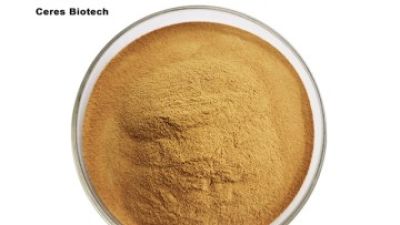
Harnessing the power of natural Spongilla lacustris extract has become an exciting trend in the cosmetic industry, as reports highlight its potential efficacy and formulation advantages. This hydrolyzed spongilla powder, which appears as a fine brown-yellow powder, is gaining attention for its skin-benefiting properties. With specifications of 5:1, 10:1, and 20:1, the extract allows formulators flexibility in creating products tailored to various skin types and concerns.
The use of Spongilla lacustris extract in cosmetics aligns with the growing demand for natural and effective ingredients. With a price range of 10-50 USD and a minimum order quantity of 1KG, this cosmetic-grade ingredient is accessible for both small and large-scale production. Furthermore, its compliance with multiple certifications such as HACCP, ISO22000, Kosher, Halal, and various organic standards assures formulators of its quality and safety, making it a reliable choice in product development. The incorporation of such innovative ingredients reflects the cosmetic industry's commitment to harnessing nature’s resources for enhanced skincare solutions.
FAQS
: Understanding cosmetic ingredients helps enhance product effectiveness and builds brand credibility among consumers.
No, not all natural ingredients are the same. Some may have impurities or inconsistent efficacy.
Choose high-quality sources and validate ingredient claims to avoid discrepancies in product labeling.
Ingredients like hyaluronic acid hydrate skin, while shea butter acts as an emollient to soften it.
Patch testing helps identify compatibility issues and potential irritation from ingredient interactions.
Incorporating active ingredients, like Functional Mushroom Ingredients, can target issues such as aging and sensitivity.
Individual reactions can vary significantly, so personal testing is crucial when selecting products.
Ingredients like hyaluronic acid and certain mushrooms, such as Reishi, are known for their hydrating properties.
Consumers should prioritize ingredient transparency and be cautious of claims made by brands.
It's risky; some natural ingredients may not perform as expected. Always do thorough research.
Conclusion
Choosing the best cosmetic ingredients for your products requires a comprehensive understanding of various factors. Begin by familiarizing yourself with different cosmetic ingredients and their functions. Identifying your skin type and its specific needs is crucial, as this will guide you in selecting the most suitable ingredients. Additionally, evaluating the safety and efficacy of these ingredients is vital for consumer trust and product effectiveness.
Consider common skin concerns and select ingredients that address these issues effectively. Formulation and compatibility play a significant role in how well these ingredients work together. Lastly, sourcing and sustainability should not be overlooked, as environmentally friendly practices are increasingly important in today’s market. By taking these factors into account, you can make informed decisions that enhance the quality and appeal of your cosmetic products.