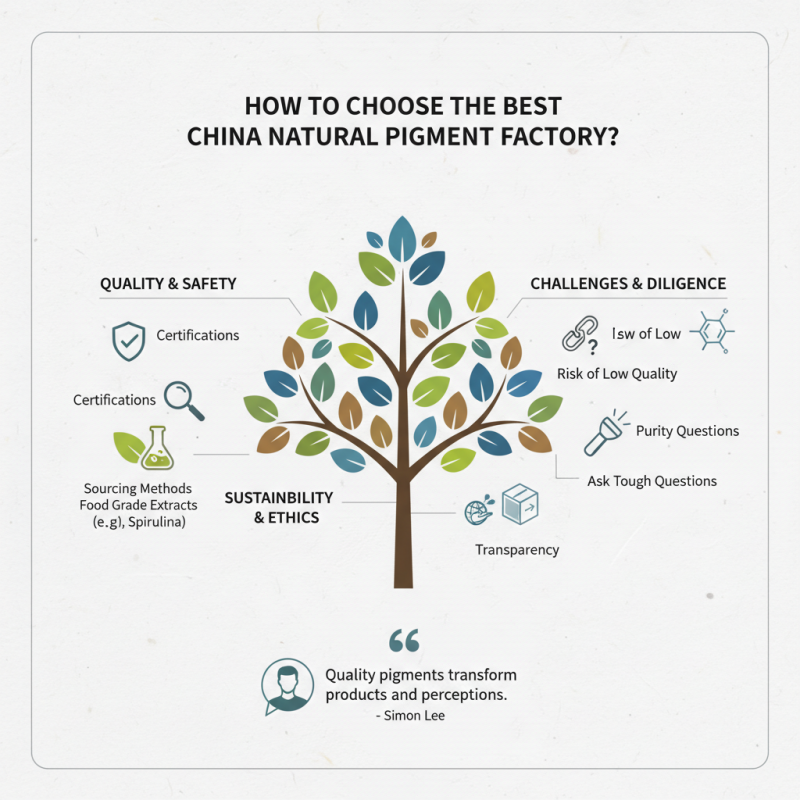
In the fast-growing world of Natural Pigment production, choosing the right factory can really make a difference. I mean, as Simon Lee from ColorMax Innovations put it so well, “Quality pigments can totally change how products look and how people perceive them.” That really hits home, especially in a market where consumers are super particular about quality and sustainability.
When you're looking at natural pigment factories in China, it’s a good idea to pay attention to their certifications and where they source their ingredients from. A factory’s reputation basically hinges on how consistent and dependable they are. For example, if they offer Natural Pigment food-grade Spirulina extract herbal, that’s often a good sign they’re serious about safety and quality. And don’t forget to check if they’re eco-friendly—transparency about their sourcing and production practices says a lot about their integrity.
But here’s the thing—this industry isn’t without its challenges. Some factories might try to cut corners to save money, which can seriously compromise quality. That’s why it’s so important to ask the hard questions—like, how do they keep their pigments pure? Are their methods sustainable? Finding the right partner really takes some careful digging and asking the right questions, but it’s totally worth the effort to make sure you’re on the right track.
Identifying Your Specific Pigment Requirements and Applications
When looking for a natural pigment factory in China, identifying your specific requirements is crucial. Different industries use pigments differently. For instance, construction materials may require high durability, whereas cosmetics need vibrant colors. According to a recent market report, demand for natural pigments is projected to grow by 5.3% annually until 2026. This statistic highlights the importance of choosing pigments that meet your industry's needs.
Pigments are not merely colors; they impact product performance. Your application can dictate whether you need organic or inorganic pigments. Organic pigments, for instance, are more favored in textiles and cosmetics due to their brightness. In contrast, inorganic pigments often excel in applications requiring heat resistance and UV stability. Understanding these properties can help avoid costly manufacturing errors.
A significant concern in sourcing pigments is quality consistency. Some factories may have fluctuating standards. Reports suggest that 20% of manufacturers struggle with maintaining the same pigment quality across batches. This inconsistency can lead to varying shades in your final products. Researching factories thoroughly is essential. Don’t hesitate to request samples and documents verifying quality. This proactive approach can lead to better partnerships.
Researching the Market for Reputable China Natural Pigment Factories
When researching the market for reputable China natural pigment factories, it's essential to gather information meticulously. Focus on identifying suppliers who specialize in natural pigments. Many factories claim to provide a wide range of products, but the quality often varies. Look for their experience in the industry. A factory with a long-standing history may have better quality control measures.
Examine product offerings, particularly Natural Pigment Beta Carotene Oil. This oil is widely sought after for its use in various industries. Request samples to assess purity and color vibrancy. Understanding how each factory sources its raw materials can also highlight their commitment to quality. Check customer reviews and case studies. This feedback gives insight into their reliability and performance.
Don’t overlook the importance of certifications. Factories should comply with industry standards. A quick online search can unveil concerns or issues that previous clients faced. Engaging directly with factory representatives can illuminate their practices. A thoughtful approach now may lead to a fruitful partnership later. Stay mindful of your specific needs while being open to adjustments based on supplier feedback.
Evaluating the Quality Standards and Certifications of Manufacturers
When selecting a natural pigment factory in China, evaluating quality standards and certifications is crucial. Look for manufacturers adhering to international standards such as ISO 9001. These certifications indicate a commitment to quality management. Factories often display their certifications prominently. Verify them on the relevant official websites for authenticity.
Quality control processes can vary among manufacturers. A reliable factory should have a rigorous testing regime. They should offer transparency about their sourcing and processing methods. If their methods seem vague, that may raise red flags. Ask about their testing procedures for contaminants and color consistency. Trust your instincts; if something feels off, it probably is.
**Tips:** When visiting factories, pay attention to cleanliness. A well-maintained facility often reflects a commitment to quality. Additionally, consider requesting samples before placing large orders. Samples can reveal a lot about pigment quality and consistency. Lastly, don’t hesitate to engage with their quality assurance team. Their insights can provide useful information on the factory’s reliability.
Evaluating Quality Standards of China Natural Pigment Manufacturers
This chart displays the number of manufacturers certified under various quality standards for natural pigments in China. The certifications highlighted are crucial indicators of product quality and safety in the industry.
Assessing Production Capacity and Delivery Timelines
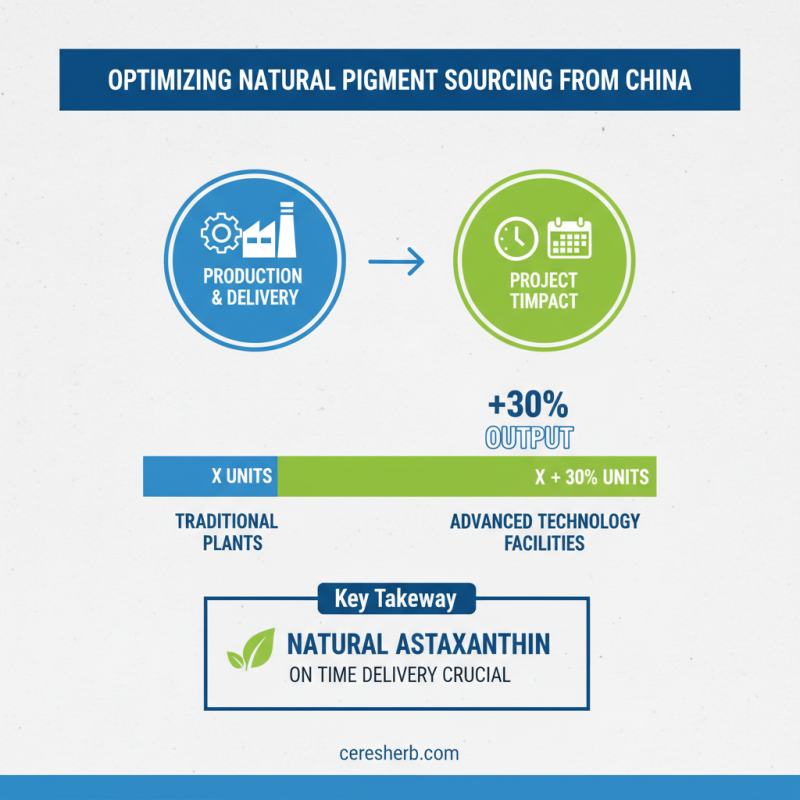
When choosing a China natural pigment factory, assessing production capacity and delivery timelines is crucial. A factory’s production capacity directly impacts your project's timeline. Reports indicate that facilities with advanced technology can produce up to 30% more than traditional plants. This is vital for obtaining Natural Astaxanthin on time.
Consider visiting the factory or scheduling a virtual tour. Assessing their machinery helps gauge efficiency. A factory with modern equipment is likely to have shorter lead times. However, not every factory offers transparent communication about delays or issues. It's vital to ask for realistic delivery timelines. Some manufacturers may promise quick turnarounds but struggle to deliver.
**Tip:** Always request samples before finalizing any agreements. This ensures you receive quality pigments.
Verify if the factory has backup plans for unexpected delays. Some factories fail to anticipate disruptions, leading to missed deadlines. A solid plan shows responsibility and reliability. It's better to work with a producer who acknowledges potential issues rather than one who downplays them. Time management is essential, especially for sourcing Natural Astaxanthin efficiently.
Examining Pricing Structures and Payment Terms
When selecting the right China natural pigment factory, it's essential to understand different pricing structures. Many factories offer tiered pricing based on order volume. A report from the Natural Pigments Association reveals that bulk orders can reduce costs by up to 30%. This can significantly impact your budget, especially for large-scale projects.
Payment terms can also vary greatly among suppliers. Common arrangements include upfront deposits, net payment terms, or letters of credit. According to recent industry surveys, 45% of companies prefer flexible payment options to manage cash flow effectively. It’s worth noting that choosing suppliers with transparent terms can help avoid potential misunderstandings.
You should also consider additional costs like shipping and tariffs. These can add significant expenses. Some manufacturers may not fully disclose these costs upfront. Conducting thorough research and requesting clear quotes can save money in the long run. Sourcing from factories specializing in natural pigments that meet your specific needs—like those producing Natural Organic Spirulina Tablets—will yield better results.
Looking for Customer Testimonials and Case Studies
When selecting a natural pigment factory in China, customer testimonials and case studies are essential. They provide insight into the quality and reliability of a manufacturer. According to industry reports, 78% of businesses prioritize feedback before making a decision. This shows that testimonials can be more influential than specifications.
Look for detailed case studies. They should share the challenges faced and solutions provided. A good factory will showcase their problem-solving abilities. For example, a case study might detail how they helped a client achieve vibrant colors while staying eco-friendly. These insights can indicate how they innovate and adapt to customer needs.
Tip: Always ask for references. Speak directly to past clients. Understand their experiences with deadlines, support, and product quality. You might uncover issues like communication delays or inconsistencies in color batches. It’s crucial to weigh both positive and negative feedback. This balanced approach can guide your choice, ensuring it fits your requirements.
Establishing Communication and Support Channels with Suppliers
Establishing effective communication with suppliers is vital. Many manufacturers emphasize prompt responses. A recent report highlighted that 35% of suppliers cite communication as a key satisfaction factor. Without clear channels, misunderstandings can occur. Miscommunication can lead to delays and increase costs.
When discussing your needs, be specific. Provide detailed descriptions of your requirements. This helps suppliers understand your expectations. If you need natural aloe vera extract, explain its intended use and desired quality. Transparency builds trust and strengthens the partnership. A lack of clarity can result in unsatisfactory products or missed deadlines.
Support channels should not be overlooked. Many factories offer online or phone support. However, their response times vary. A survey showed that 40% of businesses experience slow replies from suppliers. It’s essential to test response times early. Schedule a call to see how quickly they react. You might find that some factories are quick to engage, while others are not, revealing areas for improvement in your selection process.
The Ultimate Guide to Natural Liver Protection: Unleashing the Power of Silymarin 80% Milk Thistle Extract Powder
silymarin, primarily derived from Milk Thistle, is noted for its remarkable liver-protective properties. With a specification of 80% silymarin, this brown-yellow powder has garnered attention in the health and wellness industry. Research indicates that silymarin enhances liver function by promoting cell regeneration and aiding in the detoxification process. A study published in the journal *Phytotherapy Research* highlighted that silymarin supplementation improved liver enzyme levels, suggesting its potential in mitigating liver damage caused by toxins and oxidative stress.
The application of silymarin extends beyond liver protection. It has been observed that its antioxidant properties can significantly reduce inflammation, further supporting overall liver health. Industry reports estimate that the demand for natural liver supplements, particularly those containing silymarin, is projected to rise significantly, driven by increasing awareness of liver health and the detrimental impact of lifestyle choices. The product is available in bulk, with a minimum order quantity of 1KG, priced between 20-60 USD, making it accessible for various health formulations.
The high standards associated with silymarin production, certified by HACCP, ISO22000, and USDA, ensure that consumers receive a quality product. As the natural health market continues to evolve, the role of high-potency silymarin as an indispensable ingredient in liver health supplements will likely expand, underlining the importance of robust research and consumer education in promoting natural health solutions.
FAQS
: The topic mainly explores sustainable living practices.
You can use public transport, bike, or walk instead of driving.
Yes, fix leaks, take shorter showers, and turn off the tap while brushing.
Composting is a great option. It reduces waste and enriches soil.
Recycling helps conserve resources and reduces landfill waste significantly.
Absolutely! Small actions accumulate and can lead to significant environmental benefits.
Many forget to recycle correctly or do not track their energy usage.
Choose local, seasonal foods and reduce meat consumption when possible.
Aiming for zero waste is commendable. However, progress matters more than perfection.
Join local sustainability groups or participate in community clean-up events.
Conclusion
Choosing the right China natural pigment factory requires a careful approach tailored to your specific needs. Start by identifying the exact type of natural pigments you require and their intended applications. Next, conduct thorough market research to find reputable manufacturers with a solid track record. Quality assessment is crucial; therefore, evaluate the quality standards and certifications that these factories uphold. Additionally, consider their production capacity, delivery timelines, and pricing structures to ensure they align with your project requirements.
Customer testimonials and case studies can provide valuable insights into a factory’s reliability and product quality. Lastly, establishing effective communication and support channels with your supplier is essential for a successful business partnership. By following these guidelines, you can confidently select the best natural pigment factory in China that meets your specific needs.