Lately, it feels like everyone's talking about how important it is to eat healthier, right? Honestly, almost 70% of folks are now on the hunt for natural options to replace refined sugars. I mean, you can't ignore the growing awareness about how too much sugar can mess with your health—things like obesity and diabetes are linked to that sweet stuff. Because of that, more people are turning to things like Natural Sweetener Monk Fruit Extract powder. It's a pretty neat low-calorie alternative that doesn’t skimp on flavor.
Natural Sweeteners, especially stuff like monk fruit, are getting a lot of attention for their potential health perks. According to the American Journal of Clinical Nutrition, monk fruit contains some cool compounds that might act as antioxidants. So basically, you get to satisfy your sweet tooth while possibly helping your body fight off those pesky free radicals. Companies like Monk Fruit Corp are really leading the way with making these options more accessible, which is pretty awesome.
That said, switching to natural sweeteners isn’t without its hiccups. Some people still feel unsure about how they taste or whether they’re easy to find. Plus, there’s definitely a need for more education around these products—clearing up misconceptions and giving folks reliable info is key to building trust. Overall, trying out natural sweeteners might just be the move toward a healthier lifestyle, don’t you think?

Understanding Natural Sweeteners: Definition and Types
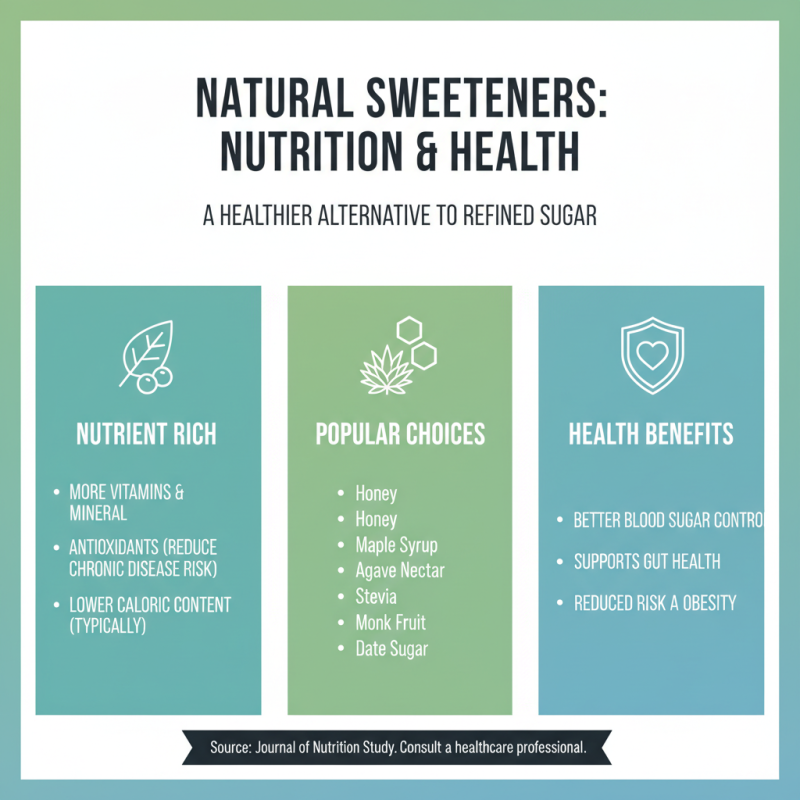
Natural sweeteners have gained popularity among health-conscious individuals. Understanding these sweeteners is essential for making informed dietary choices. Natural sweeteners are derived from plants and offer alternatives to refined sugar. They come in various forms, including stevia, honey, agave nectar, and monk fruit extract. Each type has unique properties and benefits.
Research shows that natural sweeteners can lower calorie intake and may not spike blood sugar levels as dramatically as regular sugar. For instance, monk fruit extract, which contains Natural Sweetener Mogroside V 50%, has no calories and is much sweeter than sugar. A study published in the “Journal of Nutrition” highlights that using monk fruit sweeteners in place of sugar can help reduce overall sugar consumption.
When considering natural sweeteners, pay attention to their glycemic index. Lower numbers indicate lesser blood sugar impact. Choose sweeteners like stevia or erythritol for healthier options. Also, be cautious about the quantity. Even natural sweeteners can be unhealthy in excess. Moderation is key when integrating them into your diet. Experiment with different types to find what works best for you, keeping an eye on overall sugar intake.
Why Choose Natural Sweetener for Healthier Eating Options?
| Sweetener Type | Source | Caloric Content (per tsp) | Glycemic Index | Nutritional Benefits |
| Honey | Bees | 21 calories | 58 | Rich in antioxidants, antibacterial properties |
| Maple Syrup | Sap of sugar maple trees | 52 calories | 54 | High in manganese, zinc; may have anti-inflammatory effects |
| Coconut Sugar | Coconut palm sap | 15 calories | 35 | Contains minerals like iron, potassium; lower fructose content |
| Stevia | Stevia plant leaves | 0 calories | 0 | May help reduce blood sugar levels, weight management |
| Agave Nectar | Agave plant | 20 calories | 15 | High in fructose; may aid in digestion |
Health Benefits of Natural Sweeteners Compared to Refined Sugars
Natural Sweetener offers a healthier alternative to refined sugars. These sweeteners come from plants and contain nutrients. Refined sugars, on the other hand, often lack any nutritional value. For instance, honey and maple syrup provide antioxidants. These compounds help combat inflammation and support overall health.
Using natural sweeteners can help regulate blood sugar levels. They release energy more slowly than refined sugars. This gradual release keeps energy levels stable. However, some people find natural sweeteners can still spike their sugar levels. Individual responses vary, so moderation is key.
Incorporating natural sweeteners into your diet can enhance flavor. For example, they can elevate teas, baked goods, and even sauces. Yet, it can be tempting to overuse them. Finding the right balance is crucial for long-term well-being. Paying attention to how your body reacts is essential. Adopting natural sweetener options requires some reflection and adjustment.
How Natural Sweeteners Can Support Weight Management Goals
Natural sweeteners can be a valuable ally in achieving weight management goals. Unlike refined sugars, many natural sweeteners have fewer calories and a lower glycemic index. This means they provide sweetness without spiking blood sugar levels. As a result, you may find yourself more satisfied with smaller amounts, aiding portion control.
Tips: Experiment with different types of natural sweeteners. Some popular options include honey, agave nectar, and Clean Label Sweetener Mogroside V. Each offers unique flavors and health benefits. Choose the ones that appeal to your taste buds while still supporting your health goals.
Additionally, using natural sweeteners can create healthier meal options. Instead of sugary sNACks, opt for fruit-based desserts. Blend ripe bananas or apples into smoothies for added sweetness. It’s an easy way to incorporate nutrients while managing calories.
Remember, moderation is key. Overindulging in natural sweeteners can still lead to excess calorie intake. Make a conscious effort to balance sweetener use in your meals. Reflect on your choices and adjust as needed to enhance your weight management journey.
Impact of Natural Sweeteners on Blood Sugar Levels and Diabetes
Natural sweeteners are gaining popularity among health-conscious individuals. Unlike refined sugars, they have a lower glycemic index. This means they cause smaller spikes in blood sugar levels. Maintaining stable blood sugar is crucial for overall health, especially for those managing diabetes. A balanced diet can significantly impact daily energy levels and overall well-being.
Many natural sweeteners, like stevia and monk fruit, do not affect insulin levels. This is beneficial for people with insulin sensitivity. Research shows that substituting natural sweeteners for refined sugars can lead to better blood sugar control. It's essential to incorporate these options mindfully. Some individuals may still overindulge in sweet taste, even with healthier choices. Self-monitoring can help maintain a balanced approach.
Switching to natural sweeteners is a promising strategy. However, not all sweeteners are equal in effect. People's responses can vary widely. Experimenting with different options may lead to discovering what works best for each individual. It's important to stay informed and consult with healthcare professionals when making changes to your diet.
Natural Sweeteners: Nutritional Value and Health Considerations
Natural sweeteners are gaining traction as healthier alternatives to refined sugars. They often boast lower caloric content and may provide additional health benefits. For instance, many natural sweeteners contain valuable nutrients that refined sugars lack. According to a study published in the Journal of Nutrition, replacing sugar with natural alternatives can reduce the risk of chronic diseases by providing essential antioxidants.
Mogroside V, a heat stable sweetener derived from monk fruit, is one such option. It has zero calories and scores significantly lower on the glycemic index compared to regular sugar. This makes it an appealing choice for people managing diabetes or those seeking to maintain a balanced diet. Research indicates that mogroside V may also possess anti-inflammatory properties, further enhancing its nutritional profile.
However, it’s essential to note that not all natural sweeteners are created equal. Some may still have high fructose content or hidden additives. Caution is prudent when incorporating these sweeteners into your diet. Always read labels and consider how these products fit into your overall nutritional strategy. Balancing sweetener intake with whole foods can promote better health outcomes.
Common Misconceptions About Natural Sweeteners Explained
Natural sweeteners are gaining popularity as healthier alternatives to refined sugars. However, several misconceptions surround their use. Many people believe that all natural sweeteners are calorie-free or low-calorie. This is not true. While some, like stevia, are zero-calorie, others, such as honey and agave nectar, contain calories. Understanding this can help you choose wisely.
Another common myth is that natural sweeteners are healthier no matter the amount consumed. Moderation is key. Too much of even a natural sweetener can lead to health issues, including weight gain and increased blood sugar levels. Being mindful of portion sizes is essential in any diet.
**Tips for Using Natural Sweeteners:**
- Start with small amounts to gauge your taste preference.
- Experiment with different types of natural sweeteners in your recipes.
- Always read labels to understand the content and calories.
Choosing natural sweeteners can provide benefits, but it requires a thoughtful approach. Not all sweeteners are created equal. The right choice depends on your health goals and personal preferences. Remember to question the information you come across and seek balanced knowledge.
Choosing the Right Natural Sweetener for Your Dietary Needs
Choosing a natural sweetener can significantly impact your dietary needs. Many people overlook their effects on health. According to the World Health Organization, high sugar intake can lead to obesity and diabetes. Selecting the right sweetener is essential for maintaining health.
A popular choice is stevia, a plant-based sweetener. Research shows that it contains zero calories and can help control blood sugar levels. This makes it ideal for those with diabetes or those looking to reduce calorie intake. However, it's often wise to approach with caution. Some may find its taste too strong or have digestive issues.
When exploring alternatives, consider monk fruit sweetener. It’s gaining attention for its natural flavors and beneficial properties. Studies indicate it can provide a sweetness level comparable to sugar. Yet, it's crucial to check labels. Not all products are pure, as some may include additives.
Tips for choosing natural sweeteners:
1. Read ingredient lists carefully to avoid fillers.
2. Test small amounts first to assess taste and tolerance.
3. Rotate between sweeteners to enjoy varied flavors and benefits.
Making informed choices about natural sweeteners allows for a healthier diet while satisfying your sweet cravings.
Natural Sweeteners Comparison
Unlock the Benefits of Pure Natural 100% Water Soluble Mulberry Juice Powder for Your Health and Wellness
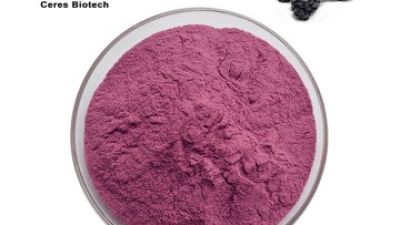
Unlocking the benefits of pure, natural 100% water-soluble mulberry juice powder can significantly enhance your health and wellness. This fine dark purple powder is a concentrated source of anthocyanidins, which range from 5-25%. Anthocyanidins are powerful antioxidants that have been linked to numerous health benefits, including improved cardiovascular health, enhanced cognitive function, and better skin health. According to a report by the Journal of Nutrition, diets rich in antioxidants can help reduce inflammation and oxidative stress, contributing to overall well-being.
Mulberry powder, with its rich nutritional profile, not only boosts immunity but also plays a vital role in controlling blood sugar levels. Research indicates that mulberry extracts can inhibit the absorption of glucose in the intestines, making it a potential ally for those managing diabetes. The integration of such natural supplements into one's diet can provide an affordable and effective health care option, typically priced between 8-12 USD per kilogram, and available with a minimum order of 1 kilogram.
Moreover, the safety and quality of mulberry juice powder are ensured through various certifications, including HACCP, ISO22000, Kosher, Halal, and EU Organic Certification. Such high standards affirm the product's integrity and make it a trusted choice for health-conscious consumers. Incorporating this versatile powder into your daily regimen can pave the way for enhanced vitality and wellness, making it a worthwhile addition to any health-focused lifestyle.
FAQS
: Natural sweeteners are plant-derived alternatives to refined sugar. They include varieties like honey, stevia, and monk fruit.
They can lower calorie intake and might not spike blood sugar levels as much as regular sugar.
Yes, they may provide nutrients and antioxidants, supporting overall health unlike refined sugars.
Many natural sweeteners release energy slowly, keeping blood sugar levels stable. However, individual responses vary.
Absolutely. Even natural sweeteners can be unhealthy in excess. Balance is essential for long-term health.
Experimenting with different options is key. Monitor how your body reacts to each sweetener.
Yes, it's wise to consult professionals for personalized advice, especially if managing health conditions.
No, responses to natural sweeteners can vary widely among individuals. It's important to be mindful of this.
Yes, it can be tempting to use too much. Finding the right balance is crucial.
A lower glycemic index means a lesser impact on blood sugar levels, which is important for overall health.
Conclusion
Natural sweeteners are gaining popularity as a healthier alternative to refined sugars, offering various health benefits. This article explores what natural sweeteners are, their types, and their nutritional value. Unlike refined sugars, natural sweeteners can help support weight management by providing satisfying sweetness with fewer calories. They also have a lower impact on blood sugar levels, making them suitable for individuals with diabetes or those monitoring their glucose.
Despite common misconceptions, natural sweeteners are not just calorie-free options but hold various nutritional advantages. Choosing the right type of natural sweetener for dietary needs can enhance overall health while satisfying sweet cravings. Overall, incorporating natural sweeteners into the diet can lead to healthier eating habits and improved well-being.