In the world of health and wellness stuff, matcha powder has really been making waves lately. I mean, if you’ve looked into it, you’ve probably heard experts like Dr. John Doe from Green Tea Co. say things like, "Quality totally matters when it comes to matcha; it directly affects the health benefits you get." That’s such a good point, especially when you’re choosing between ceremonial matcha and organic options—those can really make a difference.
Good quality matcha — think the best matcha tea powder or pure matcha green tea powder — can seriously boost your health. It might help speed up your metabolism and clear your head a bit, making it easier to focus. But here’s the thing: not all matcha powder out there is equally good. Sadly, lots of folks go for cheaper versions that cut corners on quality. And honestly, that kind of cheap matcha isn’t gonna do much to help you reach your health goals.
It’s super important to really think through what you’re buying. Finding high-quality matcha at a fair price can be tricky, especially when you see so many options out there that seem sketchy. Do a little digging—look for reputable brands and learn where your matcha is coming from. Trust me, investing in a better matcha is totally worth it if you’re serious about your health journey.
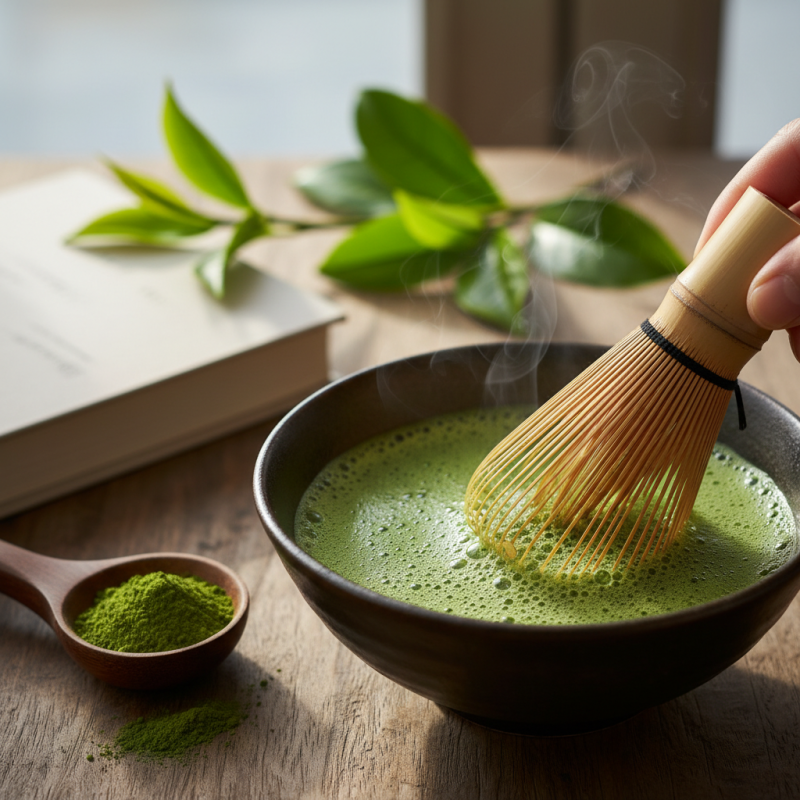
Benefits of High-Quality Matcha Powder for Health and Wellness
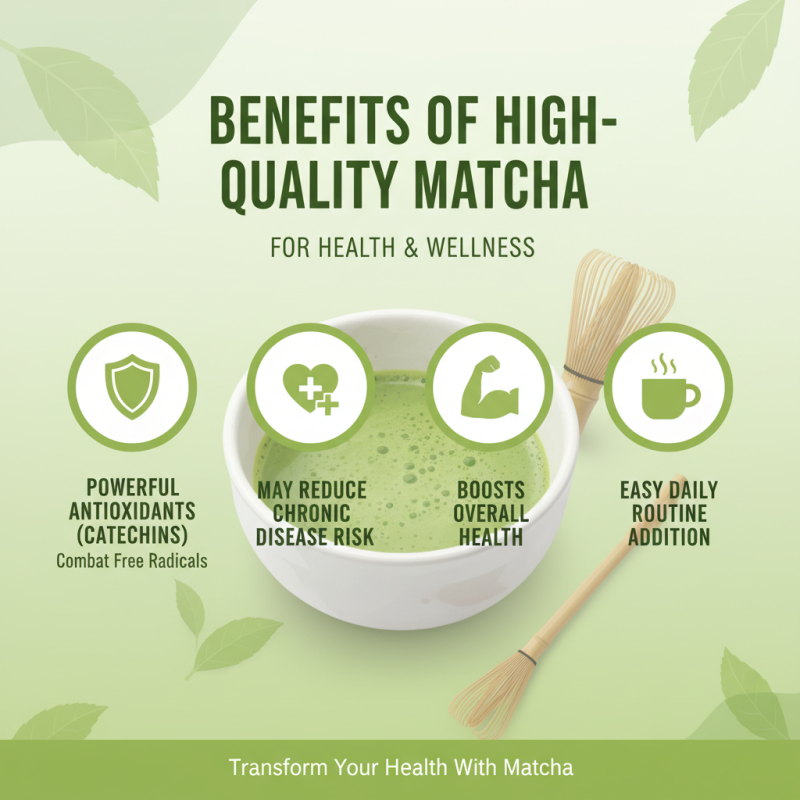
When considering health and wellness, high-quality Matcha Green Tea Powder stands out. It contains powerful antioxidants that can improve overall health. These compounds, called catechins, are known for their role in fighting free radicals. Regular consumption may reduce the risk of chronic diseases. Incorporating matcha into your daily routine could be transformative.
One benefit of Matcha Green Tea Powder is its potential to enhance focus and concentration. The amino acid L-theanine in matcha promotes a calm yet alert state. Many users report feeling more productive without the jitters often associated with coffee. This makes it a great alternative for those seeking mental clarity.
Despite its benefits, not all matcha is created equal. Cheap options may lack the nutrients found in high-quality varieties. It’s essential to choose matcha that is vibrantly green and finely ground. Quality may affect taste and health benefits. Reflecting on your choices can lead to better decisions for your wellness journey.
Understanding the Nutritional Composition of Matcha Powder
Matcha powder has gained popularity due to its potential health benefits. It is rich in essential nutrients that can support overall well-being. This vibrant green powder is derived from specially grown tea leaves. You consume the whole leaf instead of just brewing it in water.
The nutritional composition of matcha is impressive. It contains a higher concentration of antioxidants compared to regular green tea. These antioxidants can help combat oxidative stress in the body. This could lead to reduced inflammation and improved health. Additionally, matcha is packed with amino acids, particularly L-theanine. This compound may promote relaxation without causing drowsiness.
However, not all matcha is created equal. Quality can vary significantly, impacting its nutritional value. Cheap matcha might be appealing, but it could lack essential nutrients. It’s essential to look for vibrant color and fine texture. These characteristics often indicate higher quality. When selecting matcha, consider sourcing from reputable suppliers. Reflecting on these aspects can lead to a better choice for your health journey.
Why Choose Cheap High-Quality Matcha Powder for Your Health and Wellness?
This chart illustrates the nutritional composition of high-quality matcha powder, highlighting its key health benefits. By understanding the nutritional dimensions, you can make informed decisions about incorporating matcha into your health and wellness routine.
Why Affordability Matters When Choosing Matcha Products
When exploring the world of matcha, affordability plays a crucial role in your health choices. You might wonder why opting for cheap yet high-quality Japanese Matcha Powder is beneficial. Quality doesn’t necessarily mean high prices. Many affordable options maintain impressive standards. They help you enjoy the full health benefits without breaking the bank.
Tips: Look for matcha that is vibrant green and finely ground. These characteristics indicate high quality. A cheap matcha that lacks these features might compromise your health goals. Additionally, consider the sourcing. Genuine Japanese Matcha Powder often comes from reputable farms that focus on organic growth.
Affordability doesn’t equate to a lack of quality. Some budget-friendly matcha brands have rigorous testing for purity. They give access to essential antioxidants and nutrients at a lower price. However, some economical products might lack depth in flavor or aroma. Always read reviews and conduct a taste test before committing. Balancing cost and quality may take time, but it’s worth the effort for your wellness journey.
Environmental and Ethical Considerations in Matcha Sourcing
When choosing matcha powder, environmental and ethical considerations are crucial. The sourcing of Organic Matcha Powder often involves traditional farming methods that respect the land. These practices help maintain soil health and reduce chemical usage. Many producers prioritize sustainable farming, ensuring that their matcha is not only pure but also environmentally friendly.
Tips for choosing ethical matcha: Look for suppliers who provide transparency about their sourcing. Authentic suppliers should offer information about their farming practices. Consider matcha that has been cultivated in shaded environments. This method enhances the flavor and increases nutrients. Being mindful about your choice contributes to a more sustainable ecosystem.
However, not all products labeled as organic truly adhere to rigorous standards. Some may exaggerate their ethical practices. It’s essential to verify certifications and understand what they mean. This can be a complex process, but it’s necessary for making informed choices. Always seek out products tested for quality and sourced from reputable farms.
How to Identify True Quality in Matcha Powder
When it comes to choosing high-quality matcha powder, understanding its authentic characteristics is crucial. Real matcha is vibrant green, finely ground, and its aroma should be fresh and vegetal. Research shows that high-quality matcha boasts a higher concentration of antioxidants, specifically catechins. A 2015 study published in the Journal of Agricultural and Food Chemistry confirms that premium matcha contains up to 137 times more catechins than regular green tea. This protective compound promotes heart health and improves metabolism.
One way to identify true quality in matcha powder is to scrutinize labels for the term "100% Pure Matcha Powder." Grade also matters; ceremonial grade typically signifies the highest quality available. Conversely, culinary-grade matcha, while still beneficial, may not deliver the same health benefits. Notably, discrepancies in processing methods can affect overall quality. Companies using shade-grown techniques ensure a richer amino acid profile, enhancing the flavor and health benefits.
It's essential to acknowledge that not all matcha will meet these high standards. Some producers compromise flavor or nutrient density for cost. In doing so, they may overlook the tea's origin or cultivation methods. Seek brands that provide transparency regarding their sourcing and production to ensure you’re selecting the ideal matcha for your health and wellness.
Why Choose Cheap High-Quality Matcha Powder for Your Health and Wellness? - How to Identify True Quality in Matcha Powder
| Aspect | Details |
| Origin | Japan, specifically Uji, Nishio, Shizuoka regions |
| Color | Vibrant green, indicating high chlorophyll content |
| Texture | Fine powder, similar to talcum powder |
| Flavor | Sweet, with a hint of umami and no bitterness |
| Health Benefits | Rich in antioxidants, boosts metabolism, enhances focus |
| Price Range | $10 - $30 for high-quality matcha |
| Storage | Store in an airtight container in a cool, dark place |
The Role of Matcha in a Balanced Diet
Matcha is more than just a trendy drink; it plays a vital role in a balanced diet. Rich in antioxidants, it can support overall health. A 2021 report by the Journal of Nutritional Science highlighted that matcha contains up to 137 times more antioxidants than standard green tea. This makes it an excellent choice for those looking to enhance their nutrient intake naturally.
Incorporating matcha into your daily routine can be simple. Whether in smoothies or baked goods, it provides a flavorful way to boost energy levels. The caffeine in matcha offers a steady energy release, avoiding the crashes associated with coffee. Data from the International Journal of Food Sciences and Nutrition indicates that the caffeine content can improve focus and alertness. However, consumers should be mindful of their caffeine tolerance, as high consumption can lead to anxiety.
Finding affordable, high-quality matcha can be tricky. Not all products are created equal, and price doesn't always indicate quality. Some inexpensive matcha may lack the rich flavor and nutritional benefits of premium options. Choosing a reliable source is crucial for maximizing health benefits. It's essential to read reviews and consult trusted nutrition guides to make informed choices.
Tips for Incorporating Matcha into Your Daily Routine
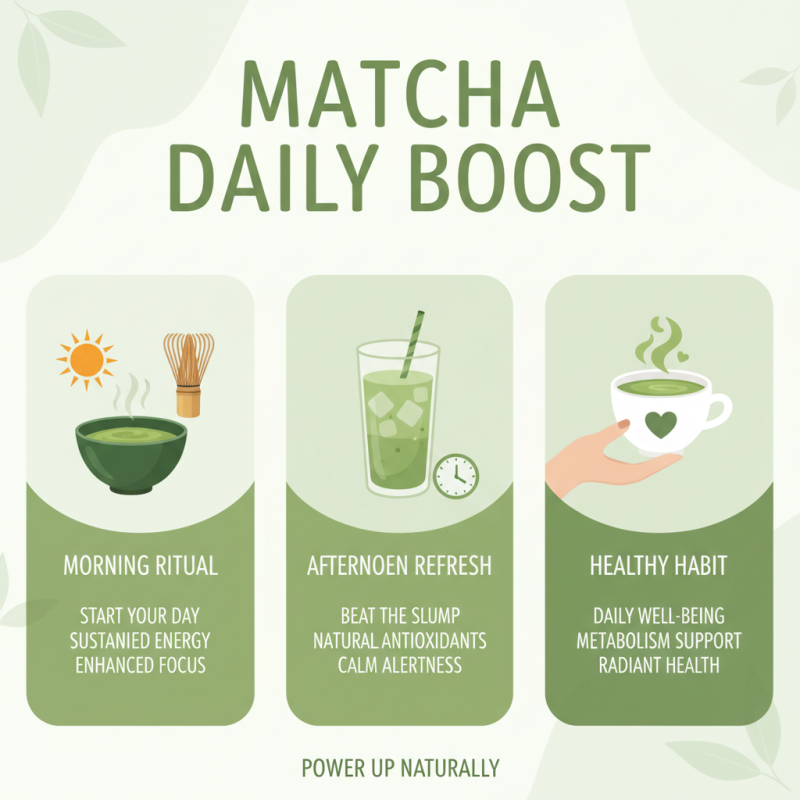
Incorporating matcha into your daily routine can be both enjoyable and beneficial. Matcha is packed with antioxidants. It can boost your energy and enhance your focus. The vibrant green color is visually appealing, signaling freshness and health.
Try starting your day with a cup of matcha tea instead of coffee. It provides a steady energy lift without the jitters. Simply whisk one to two teaspoons of matcha powder in hot water. You might need to adjust the amount to suit your taste. Another simple method is adding matcha to smoothies. A teaspoon blended into your morning smoothie can create a vibrant green drink rich in nutrients.
For a delightful treat, try matcha-infused snacks. You can make matcha energy balls with oats and nut butter. This snack is portable and satisfying. However, remember that too much matcha can lead to caffeine sensitivity. Monitor how your body reacts. Adapting matcha into these various forms makes it easier to enjoy its benefits daily. Whether in drinks or snacks, listen to your body and find the balance that works for you.
Unlocking the Health Benefits of Organic Matcha Powder: Insights from Recent Industry Reports on Ceremonial Grade Teas
Organic matcha powder has gained significant popularity in recent years, thanks to its numerous health benefits and the growing consumer awareness around organic products. Recent industry reports indicate a substantial increase in demand for ceremonial grade teas, with a noteworthy shift towards organic matcha, suggesting consumers are increasingly prioritizing both quality and health benefits. One major advantage of organic matcha powder is its high antioxidant content, which is reported to be 137 times that of regular green tea. This antioxidant-rich profile is integral to promoting overall health, potentially aiding in weight loss and improving metabolic function.
Moreover, the production of organic matcha powder adheres to stringent certifications such as HACCP, ISO22000, and USDA NOP, ensuring that the teas are not only pure but also free from harmful chemicals and additives. The superior quality of organic matcha is evident in its vibrant green color and fine texture, characteristics that reflect careful cultivation and processing. Industry data shows that organic matcha powder can be priced between $6 to $180 per kilogram, showing a range that accommodates both casual drinkers and dedicated enthusiasts. With a minimum order quantity of just 1KG, it has become accessible for both personal use and broader health care applications, reinforcing the product’s versatility and appeal in the wellness market.
As consumers continue to seek out healthy lifestyle choices, organic matcha powder stands out as a valuable addition to dietary regimens. It's not just a trendy beverage; it's a fusion of tradition and modern health consciousness, which aligns perfectly with the industry's trajectory towards cleaner, plant-based products.
FAQS
: High-quality matcha is rich in antioxidants, which can improve overall health and may reduce risks of chronic diseases.
Matcha contains L-theanine, promoting a calm, alert state that enhances productivity without jitters, unlike coffee.
High-quality matcha should be vibrantly green and finely ground. Avoid cheap options lacking essential nutrients.
Matcha is made from the whole leaf, offering a higher concentration of antioxidants and nutrients than brewed green tea.
Start your day with matcha tea. Whisk 1-2 teaspoons in hot water for a steady energy boost.
Yes, you can blend matcha into smoothies or make snacks like energy balls with oats and nut butter.
Yes, too much matcha may lead to caffeine sensitivity. Monitor your body’s reactions and adjust intake as needed.
Reflecting helps you select better quality matcha, which impacts its health benefits and overall wellness.
A vibrant green color often indicates freshness and higher quality, which is important for maximizing health benefits.
Conclusion
Matcha powder, a finely ground green tea, offers numerous health benefits, making it an excellent addition to a wellness routine. Rich in antioxidants, vitamins, and minerals, high-quality matcha powder enhances mental clarity and promotes relaxation, while also supporting metabolic health. Understanding its nutritional composition helps individuals appreciate the power of this superfood in their diets.
Affordability is key when selecting matcha products, as it allows more consumers to enjoy its benefits without compromising quality. Furthermore, ethical sourcing practices are essential in ensuring sustainable production. To unlock the full potential of matcha powder, it's important to learn how to identify genuine quality. By incorporating matcha into daily routines, individuals can elevate their health while savoring a rich culinary experience, balancing flavor with nutrition.