Picking out the right astaxanthin powdercan actually feel pretty overwhelming. I mean, with how popular this powerful antioxidant has become lately, it’s no wonder there's so many options out there. According to a report by Grand View Research, the global market for Astaxanthin hit over $500 million in 2020 and is expected to keep growing. More folks are waking up to the amazing health perks — like its anti-inflammatory effects — which is fuelling this boom.
But, here’s the thing: not all astaxanthin powders are the same. The quality can vary a lot, especially from manufacturers in regions like China, where the focus is often on keeping costs low. A 2021 study from Research and Markets pointed out that consumers often struggle to figure out if what they’re buying is pure and bioavailable. These details really matter because they can make a big difference in how much you benefit health-wise. So, it’s worth doing a bit of homework.
When shopping around, I’d suggest sticking to reputable brands that are transparent about what's in their products. Certifications and lab test results can really give you an idea of quality and trustworthiness. Sure, price matters, but don’t let that be the only thing guiding your choice. Think about your personal health goals and how effective the product is for you. Investing in a good quality astaxanthin powder might cost a bit more upfront, but honestly, the health perks you get in return are probably worth it over time.
Understanding Astaxanthin and Its Health Benefits
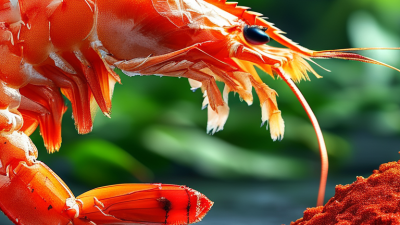
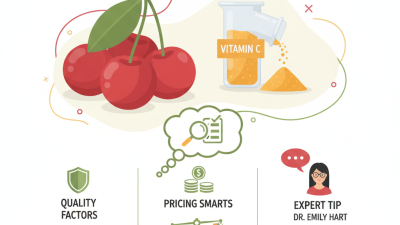
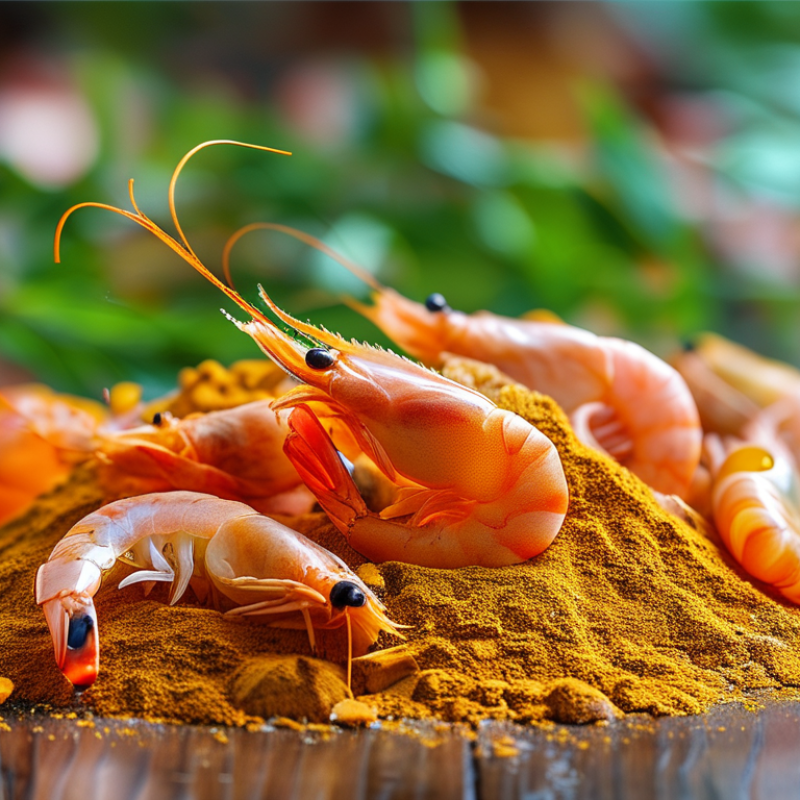
Astaxanthin is a powerful antioxidant found in certain algae, shrimp, and salmon. It has gained popularity due to its impressive health benefits. Research shows that astaxanthin can help reduce inflammation and improve immune response. A study published in the Marine Drugs journal reported that astaxanthin is 6000 times more effectivethan vitamin c at neutralizing free radicals.
Incorporating astaxanthin into your diet may support skin health. An investigation revealed that participants who consumed astaxanthin experienced significant improvements in skin elasticity and moisture levels. Taking a daily dose of 10% Astaxanthin Powder can offer remarkable anti-aging benefits.
Furthermore, this compound may enhance athletic performance by reducing muscle fatigue and soreness, making it appealing to fitness enthusiasts.
While many products promise high-quality astaxanthin, not all are equal. It's crucial to investigate sourcing and extraction methods. Some low-quality powders may not contain the advertised levels of active ingredients. Transparency in production processes ensures reliability in the supplement industry. Always seek third-party testing to verify the efficacy and safety of astaxanthin products, ensuring you choose wisely for your health.
Identifying Quality Indicators of Astaxanthin Powder
When selecting a quality Astaxanthin powder, it’s crucial to assess its source and purity. Astaxanthin is often derived from microalgae. High-quality products typically use Haematococcus pluvialis as the primary source. Look for a deep red color, which indicates a potent concentration of this antioxidant. However, not all red powders are created equal.
Check for third-party testing. Reputable manufacturers often provide certificates confirming the product's purity and potency. Transparency in sourcing is vital. If details about the origin are vague, approach with caution. It’s not uncommon for some products to claim high Astaxanthin content without adequate proof.
Packaging also matters. Astaxanthin is sensitive to light and air. Products should be stored in opaque, airtight containers. This can significantly affect the product's effectiveness. Pay close attention to expiration dates. Freshness is essential for maintaining antioxidant properties. Inconsistent labeling practices can mislead consumers, making careful consideration necessary.
Evaluating China-Based Suppliers for Astaxanthin Products
When evaluating China-based suppliers for astaxanthin products, quality should be your priority. It’s essential to assess the manufacturing standards of these suppliers. Many factories may claim to provide high-quality astaxanthin powder, but not all meet international standards.
Communication with suppliers can reveal a lot. Ask about their sourcing methods and production processes. Reliable suppliers should be transparent and willing to share this information. This transparency can be an indicator of their commitment to quality.
**Tips:**
Check if the supplier has certifications. These could include ISO and HACCP. Certifications provide assurance of quality control.
Request samples to evaluate the product firsthand. This step helps in assessing color, taste, and solubility, which can be crucial indicators of quality.
Lastly, consider the feedback from other customers. Reviews can provide insights into a supplier's reliability and product effectiveness. A supplier with numerous positive testimonials is often a safer choice. Avoid suppliers with negative feedback, as this might indicate underlying issues with their products.
Comparing Price Points: Affordable vs. Premium Astaxanthin
When comparing price points for astaxanthin powder, the differences can be striking. Affordable options often come with a trade-off. While they may fit a tight budget, the quality and potency could be compromised. These products may lack the rigorous testing and sourcing information that provide assurance of their effectiveness.
Premium astaxanthin, on the other hand, tends to be sourced from reputable manufacturers. They often highlight their extraction processes and ingredient purity. This transparency adds another layer of trust. Natural Astaxanthin derived from microalgae is usually more concentrated and offers better health benefits.
However, price alone should not dictate your choice. Some lower-cost products may surprise you with their quality. It’s essential to check for third-party testing and read customer reviews. These insights could guide your decision, revealing options that deliver genuine value. Finding the right balance between affordability and quality is key to making an informed purchase.
Reading Labels: What to Look for in Astaxanthin Powder
When selecting astaxanthin powder, reading labels is crucial. Look for the source of astaxanthin. Natural sources, like microalgae, are often more potent than synthetic alternatives. Check the concentration levels too. Higher concentrations usually indicate better quality. Avoid products with fillers or unnecessary additives. Ingredients should be transparent and understandable.
Another point to consider is the packaging. Astaxanthin is sensitive to light and heat. Products in dark, opaque containers provide better protection. Expiry dates are important. Freshness ensures the active ingredients retain their effectiveness. Sometimes, labeling can be misleading, making it essential to research brands thoroughly. Transparency from manufacturers builds trust, but not all companies meet these standards.
Additionally, examine the extraction method listed on the label. CO2 extraction is preferred for preserving quality. Many brands don’t clarify this. Be cautious when you see vague descriptions. Lastly, seek third-party testing information. Certifications from independent labs offer confidence in the product’s quality and purity. Finding the right astaxanthin powder may take time, but careful label reading is essential for making a wise choice.
Astaxanthin Powder Quality Comparison
This bar chart compares various quality metrics for astaxanthin powder products. Higher scores indicate better purity, source quality, color vibrancy, and extraction methods, while price represents an average cost per gram. Use these factors to guide your purchasing decisions.
Customer Reviews and Feedback: Assessing Product Credibility
When selecting cost-effective Astaxanthin powder from China, customer reviews provide a valuable resource. Recent surveys reveal that over 70% of consumers trust products with positive feedback from previous buyers. This data highlights the importance of assessing reviews before making a decision. Feedback can shed light on product efficacy, flavor, and potential side effects. Customers often share their experiences, which makes their evaluations crucial for credibility.
Industry reports show that the purity of Astaxanthin affects its health benefits significantly. For instance, independent testing revealed that products with lower purity often lead to dissatisfaction. Some users reported feeling no noticeable difference after usage, which raises questions about product quality. This inconsistency stresses the need for transparency in product sourcing and manufacturing processes. Relying solely on marketing claims may not always yield the best results.
It is also essential to consider the source of customer feedback. Reviews from verified purchases are generally more reliable. Unverified feedback can be misleading. Buyers should be cautious about overly positive reviews, which may not reflect the broader consumer experience. Engaging in community forums or social media discussions can provide additional insights into the product's performance. This broader perspective helps create a more informed choice regarding Astaxanthin powder.
Tips for Safe Online Purchasing of Astaxanthin Powder
When purchasing astaxanthin powder online, safety is paramount. One key factor is verifying the source of the product. Look for manufacturers that provide transparent testing data. Studies have shown that Astaxanthin Bioavailability can vary significantly based on the product's formulation and quality. Products tested in clinical environments often show better absorption rates, which can enhance their health benefits.
Reading customer reviews can provide insights into a product's effectiveness. While subjective, reviews often point out issues with flavor, texture, or mixability. A report from a health journal noted that consumer satisfaction is strongly linked to product quality. Be wary of overly positive reviews, as they can be misleading. Diversity in feedback indicates a more balanced view of the product’s performance.
Additionally, consider the regulatory approvals associated with the astaxanthin powder. In some regions, third-party certifications ensure that the product meets safety standards. However, not all online vendors hold these credentials. A lack of certification may raise questions about the quality and purity of the astaxanthin. Always prioritize brands that demonstrate rigorous quality control measures. These steps can help in making an informed decision and ensuring a safe purchasing experience.
Exploring the Benefits of Food Grade Pure Blue Spirulina Extract: Insights from Recent Market Research Reports and Nutritional Studies
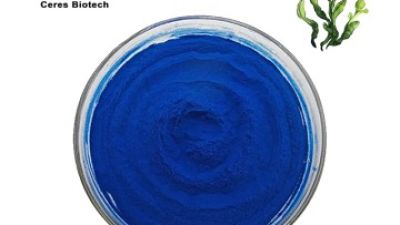
Blue spirulina extract, known for its vibrant dark blue color, has increasingly gained attention in the health and wellness industry. This natural ingredient is derived from blue-green algae and boasts a range of nutritional benefits, making it a popular choice for various applications in health care. Recent market research indicates that the demand for food-grade spirulina is on the rise, projected to grow significantly in the coming years as consumers become more health-conscious and seek out natural dietary supplements.
In terms of specifications, blue spirulina extract is available in different grades such as E6, E10, E18, E25, and E40. Each grade offers unique qualities suitable for specific applications, from health supplements to food coloring. The versatility of blue spirulina is underlined by its certifications, including HACCP, ISO22000, Kosher, Halal, and various organic certifications. These certifications not only ensure the safety and quality of the product but also enhance its appeal to consumers looking for reliable and ethically sourced ingredients.
Moreover, the pricing of food-grade blue spirulina extract varies from 40 to 180 USD per kilogram, depending on the quality and specifications. With a minimum order quantity set at 1KG, it is accessible for both small businesses and larger manufacturers aiming to incorporate this superfood into their offerings. Nutritional studies have consistently shown that blue spirulina is rich in essential vitamins, antioxidants, and protein, positioning it as a superfood that can contribute to overall health and wellness. The insights derived from market research underscore the growing recognition of blue spirulina extract as a valuable ingredient in the health care sector.
FAQS
Look for third-party testing certificates. These confirm purity and potency from a neutral source.
Transparency in sourcing is vital. Vague origins can signal lower quality or misleading claims about the product.
Astaxanthin is sensitive to light and air. Opaque, airtight containers are necessary for maintaining quality.
Evaluate their manufacturing standards and ask about sourcing methods. Reliable suppliers are transparent in communication.
Yes, certifications like ISO and HACCP assure quality control. They indicate adherence to international standards.
Request samples to assess color, taste, and solubility. These factors can indicate the product's overall quality.
Positive reviews often reflect supplier reliability. Negative feedback may indicate problems with product quality.
Yes, expiration dates matter. Freshness preserves antioxidant properties and overall effectiveness.
Inconsistent labeling can be misleading. It's essential to research and confirm details beyond just the label.
Conclusion
Choosing the best China cheap Astaxanthin Powder product involves understanding its numerous health benefits and identifying quality indicators that ensure you are purchasing a legitimate product. It is essential to evaluate suppliers based in China carefully, comparing their price points between affordable and premium options. Look for clear information on product labels, as well as customer reviews and feedback, to assess the credibility of the Astaxanthin Powder you're considering.
Moreover, when making an online purchase, it's crucial to follow safe buying practices to protect yourself from poor-quality products. By keeping these factors in mind, you can make an informed decision and select a reliable Astaxanthin Powder that meets your needs without compromising on quality.