Lately, China's food ingredients market has really been getting a lot of attention. People are more focused than ever on health and sustainability, which means folks want higher quality products. And honestly, food ingredients are at the heart of all this change. Brands like Meiji and Mingsheng are leading the pack—they're constantly innovating across different areas, like dairy products and plant-based proteins, trying to meet these new demands.
One trend that's been picking up steam is the rise of functional mushroom ingredients. These little powerhouses offer some pretty cool health benefits and are really appealing to folks interested in overall wellness. But, here's the thing—like with a lot of things, not all products are created equal. Quality can vary a lot from one supplier to another, which leaves consumers scratching their heads sometimes. So, it's super important for buyers to do their homework and really dig into the options before making a choice.
And this push for quality isn't just about making sure products are safe; it also shows how much consumers are now wanting more transparency—where their food comes from and how it’s made. This shift definitely brings its own set of challenges, but it also opens up new doors for companies willing to adapt. To stay relevant in this competitive scene, businesses really need to focus on offering top-notch ingredients and being open about their sourcing and processes.
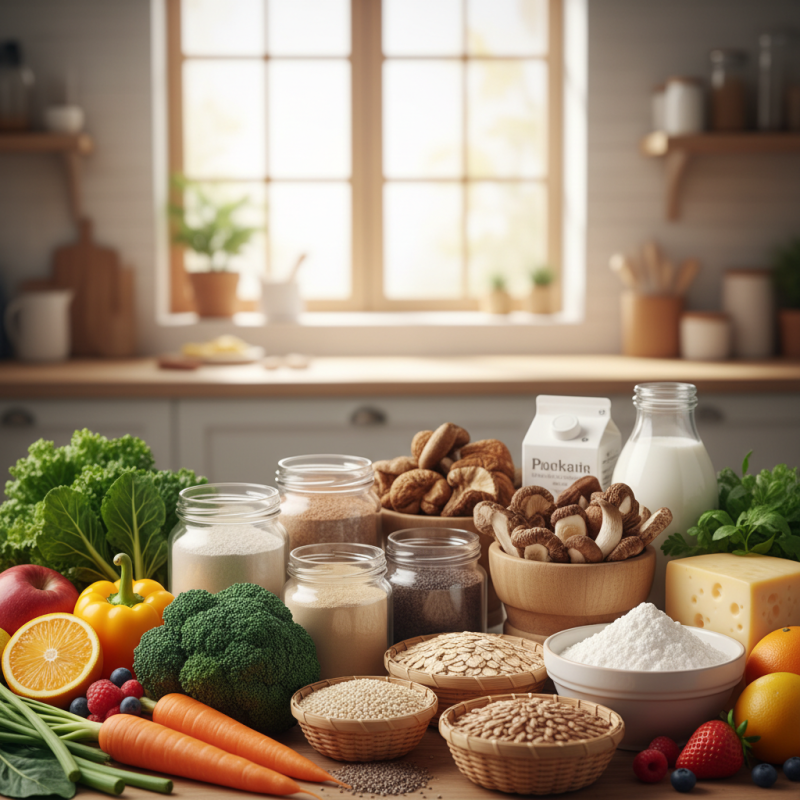
What defines high-quality food ingredients in China?
High-quality food ingredients in China are characterized by several key factors. These ingredients often prioritize safety and nutritional value. According to a report by the Research Institute of Food Science, over 65% of consumers consider ingredient safety as their primary concern when purchasing food products. This high level of awareness influences product development and sourcing within the industry.
Another defining aspect is the sourcing of raw materials. Many high-quality food ingredients are derived from sustainable practices. A recent study indicated that around 70% of consumers prefer products made from natural and organic sources. The trend reflects a growing demand for transparency in ingredient sourcing. However, the challenge lies in verifying these claims. There can be discrepancies between marketed quality and actual standards observed.
Moreover, Pms Relief Ingredients are increasingly gaining attention. Items that claim to alleviate PMS symptoms must meet rigorous quality standards. The market is evolving, with studies showing that effective ingredients can significantly improve consumers' experiences. Yet, not all products deliver on their promises, leading to consumer skepticism. This gap reveals the necessity for continuous improvement and validation in ingredient quality across the board.
Key characteristics of high-quality food ingredients products
High-quality food ingredient products in China are gaining attention due to their unique characteristics. These ingredients often focus on health benefits and nutrition. For example, many are rich in antioxidants and vitamins. They can improve overall well-being and enhance flavor in dishes. Quality control is crucial. However, not all producers meet these standards.
One key characteristic is the emphasis on natural sourcing. Many high-quality ingredients are derived from indigenous plants. This not only supports local farmers but also ensures freshness. Additionally, some ingredients, like Longevity Ingredients, promise extended health benefits. These can include improved metabolism and enhanced immunity. Still, authenticity can sometimes be an issue.
Another aspect to consider is sustainability. More consumers want to know the environmental impact of their food. High-quality producers often follow eco-friendly practices. Yet, there are gaps in awareness and education among suppliers. Some do not prioritize these methods. This creates a confusing landscape for buyers. Understanding and investing in high-quality food ingredients can FOSter healthier choices.
Market demand for high-quality food ingredients in China
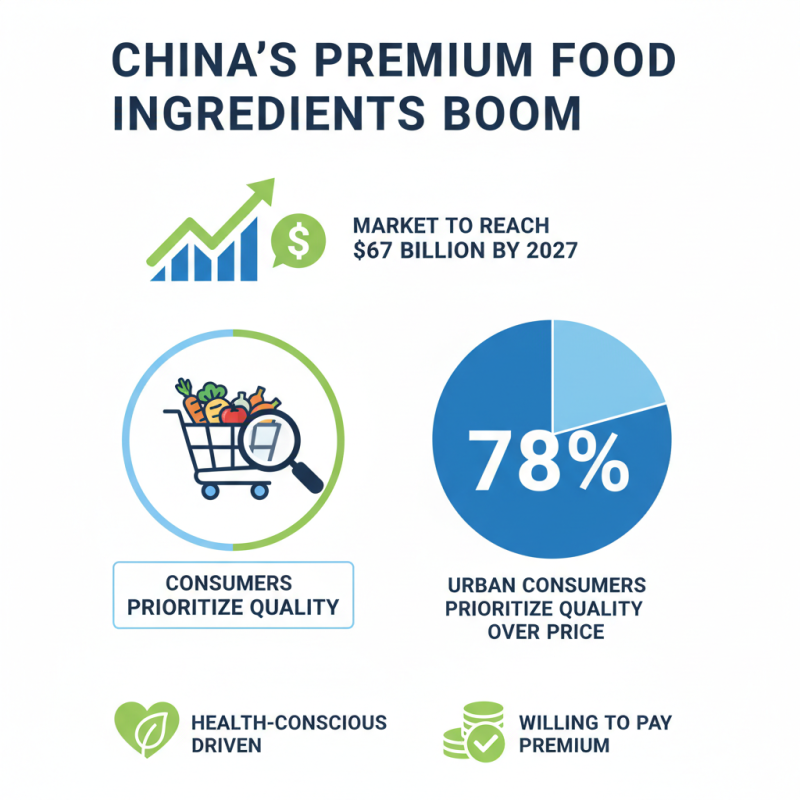
The demand for high-quality food ingredients in China is soaring. According to a recent report, the market for food ingredients is expected to reach $67 billion by 2027. Consumers are becoming more health-conscious and are willing to pay a premium for better products. In fact, recent surveys indicate that 78% of urban consumers prioritize quality over price when shopping for food.
As China's middle class expands, so does the emphasis on nutrition. This demographic is distinctively more willing to explore organic, non-GMO, and natural ingredients. Research reveals that 55% of consumers are actively looking for products with clear labeling. They desire transparency in sourcing and manufacturing practices. This shift is reshaping the landscape of food product development.
However, challenges exist in meeting this growing demand. Quality control remains a significant concern. According to industry experts, up to 20% of food ingredients in the market may not meet safety standards. There is a pressing need for stricter oversight and better supply chain practices. Businesses must adapt to the evolving market landscape while ensuring they prioritize both quality and safety.
Impact of strict regulations on food ingredient quality in China
China’s food industry faces intense scrutiny due to strict regulations on ingredient quality. The government has implemented rigorous standards to ensure safety. This has significantly raised the bar for food ingredient quality, includingSports Nutrition Ingredients. The latest reports indicate that around 75% of food manufacturers have updated their processes to comply with these standards.
These regulations aim to eliminate substandard products and enhance consumer trust. However, challenges remain. Many smaller producers struggle to meet these new requirements. They lack resources and knowledge to implement necessary changes. In some cases, this has led to a gap in the market. Consumers are left with fewer choices. The balance between compliance and product availability is delicate.
Moreover, the scrutiny on ingredient sourcing is affecting innovation. Some companies hesitate to experiment with new formulations. Data shows that only 30% of surveyed firms are investing in R&D for new products. This stagnation can limit advances in areas like health supplements, including essential Sports Nutrition Ingredients. As the industry evolves, balancing regulation compliance and innovation is crucial for future growth.
What is China High Quality Food Ingredients Products and Why They Matter? - Impact of strict regulations on food ingredient quality in China
| Ingredient Type | Quality Assurance Standard | Regulation Impact | Market Demand Trend | Sustainability Aspects |
| Organic Soybean | ISO 22000 | Increased oversight leading to safer products | Growing demand for organic ingredients | Promotes eco-friendly practices |
| Non-GMO Corn | GB/T 19630 | Stricter labeling requirements | High consumer preference for non-GMO | Supports biodiversity |
| Natural Colorants | FDA Compliance & E100 series | Enhanced safety standards | Increasing interest in clean label products | Biodegradable options available |
| Spices and Herbs | HACCP | Increased pest management regulations | Rising global cuisine interest | Encourages local agriculture |
| Functional Ingredients | EFSA Guidelines | Greater scrutiny on health claims | Surge in health-conscious consumerism | Focus on ethical sourcing |
Economic significance of China's high-quality food ingredients industry
China's high-quality food ingredients industry plays a pivotal role in its economy. The sector has seen rapid growth over recent years due to increasing domestic consumption and rising health awareness. People are looking for better nutrition and demand ingredients that enhance food quality and safety. This shift has driven innovation in sourcing and production.
Additionally, high-quality food ingredients are vital for export markets. Chinese products are gaining trust globally. However, quality control remains a challenge; cases of contamination can tarnish the industry's reputation. Companies must invest in better practices, which includes improving farming methods and processing techniques. The government is also pushing for stricter regulations to ensure food safety.
The economic benefits are enormous, but the industry faces hurdles. Increased competition can lead to compromises on quality, while price wars can hurt smaller producers. As consumers become more discerning, businesses must adapt. Growth requires not just meeting demand but exceeding expectations. The path ahead is filled with opportunities and challenges. Balancing quality and cost will be crucial moving forward.
Consumer trends influencing the rise of quality food products in China
In recent years, Chinese consumers have shown a growing preference for high-quality food ingredients. This shift reflects their increasing awareness of health and nutrition. People want to know what is in their food. Transparency in sourcing and production matters more than ever.
The demand for quality food products is driven by several trends. Urban consumers are now more health-conscious. They seek out organic and natural options. These products promise fewer additives and better nutritional value. Young families often spend more on these items. They believe that quality food contributes to better health for their children. However, not all premium products live up to their promises. Many are labeled as organic but lack proper certification. This inconsistency can mislead consumers.
Sustainability is another critical factor shaping consumer choices. As environmental concerns grow, shoppers prefer brands that prioritize eco-friendly practices. They want foods that are not just good for them, but also for the planet. Unfortunately, navigating this landscape can be confusing. Misleading marketing often clouds the situation. Educating consumers about real quality is essential for building trust in this evolving market.
Consumer Trends Influencing the Rise of Quality Food Products in China
Role of technology in enhancing food ingredient quality in China
Technology is significantly transforming the food ingredient sector in China. Advanced agricultural methods, like precision farming, enhance the quality of food ingredients. These innovations help improve yield while ensuring nutrient optimization. Recent reports indicate that over 60% of food companies in China are adopting such technologies. This shift reflects a growing awareness of health and nutrition among consumers.
The importance of high-quality food ingredients cannot be overstated, especially in relation to trends in men’s health ingredients. With increasing demand for nutritious products, companies are focusing on sourcing high-quality materials. Technology plays a crucial role here, as data analytics and blockchain ensure traceability and transparency in food supply chains. The use of smart sensors monitors ingredient quality in real-time, reducing waste and ensuring safety. However, not all companies have embraced these innovations. Many still rely on traditional methods, which can compromise quality.
There are challenges too. While technology can elevate ingredient standards, it is not foolproof. Mismanagement or over-reliance on technology can lead to flaws. The balance between innovation and traditional practices remains a topic of debate. Overall, enhancing quality is vital for meeting both domestic and international standards. The trend toward men’s health ingredients illustrates the broad spectrum of opportunities within this evolving market.
Exploring the Impact of Food Additives: A Comprehensive Analysis of the Benefits and Applications of L-Isoleucine Powder in Health and Nutrition
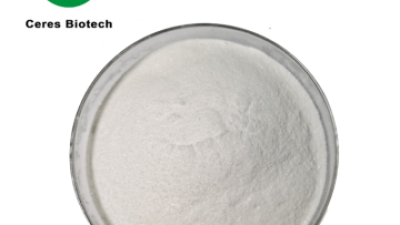
The exploration of food additives has unveiled significant insights into their health benefits and applications, particularly focusing on L-Isoleucine, an essential amino acid. L-Isoleucine, which appears as a white crystalline powder, is recognized for its role in supporting muscle recovery and enhancing athletic performance. The recommended specifications for L-Isoleucine powder are typically around 99% purity, underscoring the importance of quality in nutritional supplements.
In terms of health applications, L-Isoleucine plays a pivotal role in promoting muscle metabolism and energy production. According to industry reports, the global market for dietary supplements containing L-Isoleucine is growing, driven by the increased awareness of health and nutrition. The market's expansion is often attributed to the amino acid's ability to aid in tissue repair and its significance in energy regulation during physical exertion. This demand reflects a broader trend in the health care sector, where consumers are increasingly seeking effective solutions to enhance athletic performance and overall well-being.
Moreover, the L-Isoleucine powder available on the market meets several quality certifications, including HACCP, ISO22000, and various organic certifications. These certifications ensure that the product is safe and suitable for consumption, which is particularly important for health-conscious consumers. With prices ranging from 10 to 20 USD per kilogram and a minimum order quantity of 1KG, L-Isoleucine powder is an accessible addition to the diets of athletes and health enthusiasts alike, promoting their nutritional intake while contributing to a balanced diet.
FAQS
: Smaller producers often struggle with resources and knowledge to meet new strict quality regulations.
Around 75% of food manufacturers updated their processes to comply with the new standards.
Many smaller producers cannot meet the new requirements, leading to fewer available products for consumers.
Only 30% of surveyed firms are investing in research and development for new products.
Technology enhances quality through precision farming and real-time monitoring, but not all companies utilize these innovations.
Stricter regulations can create hesitation in experimenting with new formulations, limiting innovation potential.
Sourcing high-quality ingredients is essential for meeting consumer demand and ensuring food safety.
The industry sees growth from rising health awareness and domestic consumption, boosting the economy overall.
Contamination cases can tarnish trust, making it essential for companies to invest in better practices.
While new technologies enhance quality, over-reliance on them can compromise standards; traditional methods still have their place.
Conclusion
The article "What is China High Quality Food Ingredients Products and Why They Matter?" explores the defining features of high-quality food ingredients in China, emphasizing their essential characteristics such as purity, safety, and nutritional value. It highlights the growing market demand driven by consumer preference for healthier options, as well as the impact of stringent regulations that ensure food ingredient quality. The economic significance of this industry is underscored by its contribution to both local markets and exports, while emerging consumer trends reflect a shift towards higher-quality food products.
Additionally, the role of technology in enhancing the quality of food ingredients is discussed, showcasing innovations that improve processing and safety standards. Overall, the focus on high-quality food ingredients resonates with a burgeoning consumer consciousness towards health and sustainability, positioning China as a key player in the global food ingredient market.