Picking the best instant tea powder for global buyers in 2026 isn’t just about comparing prices; there’s a lot more to it. Buyers really need a product that offers a consistent flavor, a reliable supply chain, and proper documentation to ensure responsible trade practices. A good instant tea should dissolve quickly whether you're adding it to hot or cold water, and it should also cater to local taste preferences, packaging regulations, and preferred beverage formats.
Quality starts right from the source—think origin, how and when it was harvested, processing methods, and extraction temperatures. These factors can influence the color and aroma of the tea. A reputable supplier should be upfront about specifications like moisture content, particle size, solubility, microbiological safety, and shelf life. Plus, it's smart to test samples in real-world conditions. Just because a powder performs well in a lab doesn’t mean it’ll taste great in a vending machine or bottled drink.
Little details really do matter.
Global buyers might be choosing between black tea, green tea, milk tea, lemon tea, or even specialty blends. They’ll also look at caffeine and sugar levels, allergens, and storage needs. And while instant coffee powder might seem similar, it’s definitely not a straight swap—even if they come in similar packaging. Their taste profiles, how they need to be prepared, and what consumers expect are totally different.
Trustworthy purchasing isn’t just about product quality—it also depends on the supplier’s experience. Things like production records, batch traceability, third-party testing, and stable export packaging can help minimize risks. But no supplier’s perfect, and samples you receive now might not reflect every batch you get later. It’s a good idea to ask for multiple samples, double-check certificates, and go over contract details carefully. When comparing options, think about taste, performance, compliance, logistics, and total costs. The best instant tea powder isn’t necessarily the cheapest—it’s the one that remains reliable after shipping, storage, and everyday use.
In the end, choosing the right product is about more than just price—it’s about consistency, safety, and trust. That’s what really counts.
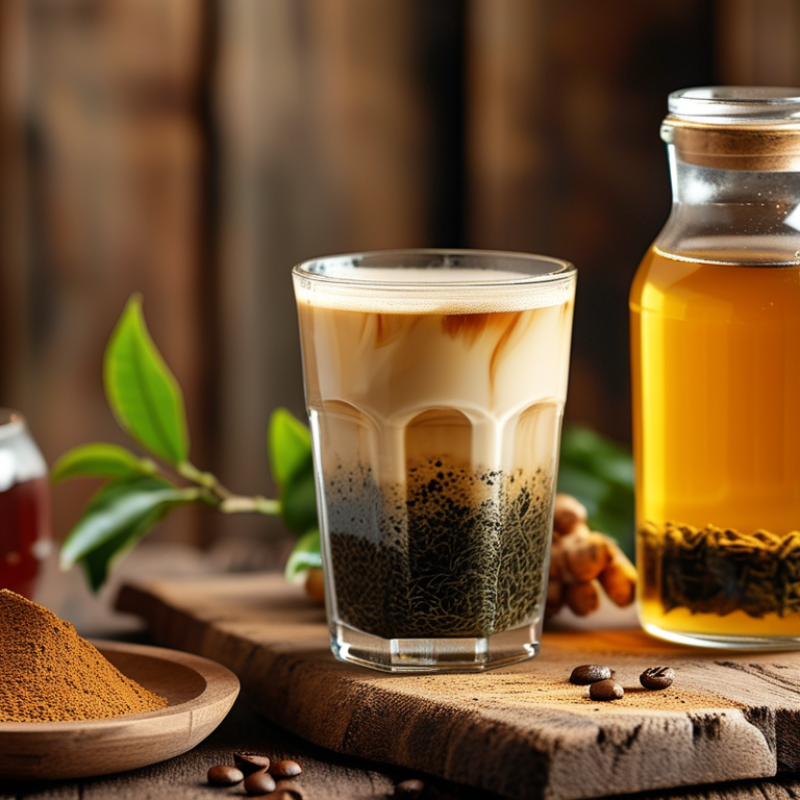
Instant tea powder is brewed tea transformed into a dry, soluble powder. Manufacturers usually steep selected tea leaves in hot water, then filter the liquid to remove leaf particles. The clear extract is concentrated under controlled heat or vacuum. Finally, spray drying or freeze drying removes moisture. Spray drying is faster and more economical, while freeze drying can better preserve delicate aromas. The finished powder should dissolve quickly in hot or cold water, leaving limited sediment.
In practical sourcing, I check the tea origin, extraction method, moisture level, particle size, and microbiological test results. Color alone proves little. A bright powder may lose fragrance during excessive heating. A darker powder is not automatically stronger. Solubility, flavor balance, and batch consistency matter more. Organic claims also require suitable certification for the target market. Organic Mushroom Coffee Instant Powder is a different product category, so buyers should keep its labeling and specifications separate from instant tea.
Tips: Request a recent specification sheet and certificate of analysis. Test one sample in water at the intended serving temperature. Notice the aroma after stirring, not only before opening. Ask how the supplier controls humidity during packing. I once treated fast dissolution as the main quality sign; that was too narrow. Some powders dissolve perfectly but taste flat. Small pilot orders can reveal problems that documents miss.
Instant tea powder performs differently across markets because taste, preparation habits, and labeling expectations vary. Spray-dried black tea powder suits large foodservice operations because it dissolves quickly and controls costs. Freeze-dried green tea powder preserves a brighter aroma, but it usually needs better packaging and higher moisture protection. My first sourcing assumption was wrong: stronger flavor does not always mean better customer acceptance.
East Asian buyers may prefer clean green tea, roasted tea, or unsweetened matcha-style powders. These products work well in vending drinks, desserts, and bottled beverages. Gulf markets often favor black tea, cardamom blends, and creamy milk tea powders. Solubility matters when consumers prepare drinks with hot milk. African markets may value robust black tea extracts for cafés and sachets, especially where storage conditions are challenging. Humidity can quietly damage quality.
North American buyers often seek convenience, lower sugar, and functional positioning. Mushroom Coffee Instant Powder may suit this segment, but it should not be presented as ordinary tea powder. Clear ingredient disclosure and evidence-based claims build trust. European buyers commonly inspect flavor authenticity, allergen controls, origin details, and recyclable packaging. Latin American markets can respond well to sweet milk tea, citrus tea, and yerba mate-style beverages, depending on local habits. Test small batches first. Consumer feedback may contradict laboratory assumptions. Suppliers should verify solubility, microbial safety, pesticide compliance, and shelf stability through qualified testing before wider distribution.
| Tea Powder Type | Basic Product Format | Flavor and Appearance | Solubility in Water | Typical Caffeine Profile | Best-Fit Global Markets | Common Beverage Applications | Key Buyer Priorities | Market Suitability |
|---|---|---|---|---|---|---|---|---|
| Instant Black Tea Powder | Water-soluble extract powder produced from fully oxidized black tea. | Strong tea aroma, brisk taste, amber to reddish-brown liquor. | Excellent; dissolves rapidly in hot or cold water when properly spray-dried or freeze-dried. | Moderate to high; varies according to leaf grade, extraction ratio and serving size. | South Asia Middle East Africa United Kingdom | Plain instant tea, iced tea, tea concentrates, ready-to-drink beverages and food-service drinks. | Fast dissolution, strong liquor, stable color, low sediment and consistent batch flavor. | ★★★★★ Broadest all-purpose option |
| Instant Green Tea Powder | Water-soluble extract powder made from non-oxidized green tea. | Fresh, grassy and slightly astringent; pale yellow-green to golden liquor. | Excellent for instant extracts; ordinary ground green tea may leave sediment. | Moderate; naturally contains caffeine and may also provide Tea Polyphenols. | East Asia North America Western Europe Health-focused markets | Unsweetened tea drinks, flavored iced tea, functional beverages, smoothies and powdered drink mixes. | Fresh aroma retention, controlled bitterness, clean color and protection from oxidation during storage. | ★★★★★ Strong wellness-oriented appeal |
| matcha powder | Finely milled shade-grown green tea leaves consumed as suspended powder rather than a clear extract. | Bright green color, vegetal umami, mild bitterness and creamy mouthfeel. | Not fully soluble; particles remain suspended and require whisking, shaking or homogenization. | Moderate to high because the whole powdered leaf is consumed. | Japan North America Western Europe Premium cafés | Matcha beverages, lattes, bakery products, desserts, confectionery and nutritional blends. | Vivid color, fine particle size, fresh aroma, low contamination risk and reliable suspension performance. | ★★★★☆ Premium and specialty segment |
| Instant Oolong Tea Powder | Water-soluble extract powder made from partially oxidized oolong tea. | Floral, fruity or roasted notes; golden to reddish-brown liquor depending on processing. | Very good when produced as an instant extract; slower dissolution may occur in cold water. | Moderate; depends on cultivar, oxidation level and extraction conditions. | Greater China Southeast Asia Premium tea markets | Premium instant tea, milk tea, bottled tea, fruit tea and café beverages. | Distinctive aroma, low bitterness, authentic roasted or floral profile and cold-water clarity. | ★★★★☆ Premium differentiated choice |
| Instant White Tea Powder | Water-soluble extract powder from minimally oxidized young tea leaves or buds. | Light, delicate and subtly sweet; pale gold liquor with a soft aroma. | Very good in extract form, although delicate flavor can be reduced by aggressive processing. | Low to moderate; naturally variable by bud-to-leaf ratio and serving size. | North America Western Europe Premium wellness | Light iced tea, premium drink mixes, beauty-oriented beverages and delicate flavored drinks. | Flavor preservation, mild astringency, light color, traceability and gentle drying conditions. | ★★★☆☆ Niche premium positioning |
| Instant Pu-erh Tea Powder | Water-soluble extract powder made from fermented or post-fermented tea. | Deep earthy, woody and mellow flavor; dark red to brown liquor. | Excellent in instant extract form, with good performance in hot beverages. | Moderate; actual levels vary by tea material and manufacturing process. | China Southeast Asia Specialty tea markets | Traditional tea drinks, milk tea, concentrated beverages and food-service applications. | Authentic fermentation character, clean aroma, color stability and documented raw-material origin. | ★★★☆☆ Specialty and traditional segment |
| Instant Chai Tea Powder | Tea extract powder blended with spices, sweeteners and sometimes dairy or non-dairy creamer. | Warm, sweet and aromatic with notes of cardamom, cinnamon, ginger or clove. | Excellent in hot water or milk; formulation determines cold-water performance. | Low to moderate depending on the black tea content and serving size. | India Middle East North America Café channels | Chai lattes, vending beverages, café drinks, home-use sachets and food-service mixes. | Spice balance, sweetness control, halal or vegetarian compliance where required and moisture protection. | ★★★★☆ Convenience and café-friendly option |
| Milk Tea Powder Premix | Tea extract combined with sugar and milk powder or non-dairy creamer in a ready-to-mix formula. | Creamy, sweet and smooth; color ranges from beige to light brown. | Excellent in hot water; cold preparation depends on the emulsifier and creamer system. | Low to moderate, depending on the tea extract ratio. | Southeast Asia East Asia Middle East Vending markets | Bubble tea, vending drinks, instant sachets, cafés and convenience-store beverages. | Stable emulsion, creamy mouthfeel, controlled sweetness, allergen labeling and long shelf life. | ★★★★★ High convenience and food-service suitability |
| Decaffeinated Instant Tea Powder | Instant tea extract processed to substantially reduce caffeine while retaining tea flavor. | Usually lighter in body; flavor depends on the decaffeination method and base tea. | Excellent when formulated as a soluble extract. | Low; not necessarily caffeine-free unless specifically tested and labeled according to local regulations. | Western Europe North America Health-conscious markets | Evening beverages, family drinks, wellness products and reduced-caffeine ready-to-drink tea. | Verified residual caffeine level, flavor retention, compliant claims and transparent laboratory testing. | ★★★★☆ Targeted health and lifestyle segment |
Best Instant Tea Powder for Global Buyers in 2026?
Flavor evaluation should begin with a controlled tasting, not attractive packaging. Prepare one measured teaspoon in 200 milliliters of water. Use the temperature recommended for the tea type. Record aroma, sweetness, bitterness, color, and aftertaste. A good powder should taste clear and balanced, without a dusty or artificial note. Try both hot and cold applications. Some powders perform well hot but become flat over ice. That difference matters in international foodservice.
Solubility is equally practical. Stir the powder in water at 20°C, then repeat at 80°C. Check the time needed to dissolve, foam formation, sediment, and residue on the cup. A reliable product should disperse evenly without constant stirring. However, perfect clarity is not always proof of quality. Processing aids can improve appearance. Buyers should review the full ingredient list and technical specification. I once trusted a bright, sediment-free sample too quickly. Its flavor weakened after dilution.
Ingredient quality requires documented evidence. Request origin details, batch numbers, allergen statements, microbiological results, and a current certificate of analysis. Examine the ratio of tea solids to sweeteners or carriers. Excessive sugar or maltodextrin may reduce tea character. Packaging should protect the powder from moisture and strong odors. Test a production sample, not only a laboratory sample. Shelf-life claims can also change after opening. A small trial order may reveal handling problems before a large purchase.
For global buyers choosing the best instant tea powder in 2026, certification should guide every purchase. WHO estimates that contaminated food causes about 600 million illnesses and 420,000 deaths annually. Powdered tea deserves attention because grinding can distribute contamination throughout the product.
Ask suppliers for a current ISO 22000 or HACCP-based food safety certificate. A GFSI-recognized scheme can provide stronger supply-chain controls. However, certification is not a guarantee. Request a batch-specific certificate of analysis covering pesticide residues, heavy metals, microorganisms, and artificial colourants. Testing should follow destination-market limits, including Codex CXS 193-1995 and applicable EU or US maximum residue levels. Check the laboratory name, test date, batch number, and detection limits. Details matter.
Organic claims require valid certification, not a printed green leaf. Verify the certifier and production scope, especially for organic matcha. Search terms such as ceremonial matcha, best matcha tea powder, matcha green tea powder, and matcha tea powder can describe products, but they do not prove quality. Inspect sealed foil packaging, a clear lot code, harvest information, and full traceability. I would pause when a supplier sends only a generic certificate. Paperwork can age. A clean-looking sample can still hide weak controls. Suppliers should also explain allergen handling, water quality, storage temperature, and recall procedures in writing.
For global buyers in 2026, the best instant tea powder is not judged by flavor alone. Packaging can decide whether that flavor survives a long journey. I look for food-grade, moisture-resistant pouches or sealed drums with strong inner liners. Fine powder attracts humidity quickly. A small leak may create hard lumps before the shipment reaches the warehouse. Light protection also matters, especially for tea powders containing natural color compounds.
Shelf life should be measured at arrival, not only on the production date. Buyers should request the batch number, manufacturing date, expiry date, and recommended storage conditions. A product with twenty-four months of stated shelf life may offer far less value after slow customs clearance. I prefer clear records and a practical remaining-life requirement, such as eighteen months upon delivery. That standard is useful, though not perfect. Storage mistakes can still reduce quality.
Shipping conditions deserve equal attention. Cartons need stable pallet stacking, clean wrapping, and protection from rain during loading. Temperature exposure may be less damaging than moisture, but repeated heat and cooling can weaken seals. Samples should be tested after transport, not just before dispatch. Check aroma, color, flowability, and solubility in both hot and cool water. A powder that dissolves well in the factory may behave differently after six weeks at sea. Freight planning should include buffer time, because the cheapest route is not always the safest purchasing decision.
For global buyers, the best instant tea powder is not always the cheapest quotation. Hojicha Tea Powder can vary sharply in roast depth, solubility, color, and aroma. A supplier should provide a recent specification sheet, allergen statement, country of origin, and batch test results. Ask for a small sample. Prepare it with the water temperature used by your customers. A powder that clumps at 70°C may create complaints in vending drinks.
Compare suppliers through landed cost, not unit price. Request pricing by kilogram, minimum order quantity, packaging format, and production lead time. Add freight, insurance, customs duties, inspection fees, storage, and local delivery. Some quotes look attractive until a 25-kilogram carton requires repacking. Currency changes can also alter the final figure. Use one spreadsheet and one delivery route for every supplier. This feels slower. It prevents convenient comparisons.
Reliability needs evidence. Check documented food-safety controls, traceability, recall procedures, and response times for quality claims. Ask how the supplier protects powder from moisture during ocean transit. Review at least two production batches, because one perfect sample proves little. A darker roast may taste stronger, yet it can lose appeal in milk-based recipes. Test clarity, sediment, flavor after storage, and carton damage. Leave a small contingency budget. Unexpected delays happen, and forecasts are rarely perfect.
: Prepare one measured teaspoon in 200 milliliters of water. Use the temperature recommended for the tea type. Record aroma, sweetness, bitterness, color, and aftertaste. Taste it hot and cold. Taste matters. A balanced powder should avoid dusty, artificial, or unusually flat notes.
Some powders taste strong when hot but weaken over ice. Cold drinks can reveal poor aroma, weak color, or excessive sweetness. Use the temperatures common in your market. This reflects real customer use better than one laboratory tasting.
Stir the powder in water at 20°C and 80°C. Record dissolving time, foam, sediment, and cup residue. A practical powder disperses evenly without constant stirring. Check for clumps after several minutes. Clumps are a warning.
No. Processing aids may improve visual clarity. A clear sample can still lose flavor after dilution. Review the complete ingredient list and technical specification. I once trusted a bright sample too quickly. That judgment was wrong.
Request origin details, batch numbers, allergen statements, and microbiological results. Ask for a current certificate of analysis. It should identify the batch, test date, laboratory, and detection limits. Generic paperwork is not enough. Details matter.
Compare tea solids with sweeteners and carriers. Excessive sugar or maltodextrin may weaken the tea character. Check whether ingredient percentages are clearly documented. Also review water quality and allergen-handling procedures. Labels deserve careful reading.
Packaging should resist moisture and strong odors. Inspect sealed inner bags, lot codes, and storage instructions. Test a production sample, not only a laboratory sample. Shelf-life claims may change after opening. Opening changes everything.
Compare landed cost instead of kilogram price alone. Include freight, insurance, duties, inspection, storage, and local delivery. Record minimum order quantities and lead times. Use one spreadsheet and one delivery route. Cheap quotes can become expensive.
Review traceability, recall procedures, quality-claim response times, and moisture protection. Test at least two production batches. Examine flavor after storage, sediment, clarity, and carton damage. Keep a small contingency budget for delays. Forecasts are rarely perfect.
Choosing the best instant tea powder for global buyers in 2026 requires more than comparing prices. Buyers should understand how tea leaves are extracted, concentrated, and dried to create a powder that dissolves quickly while preserving a balanced aroma, color, and taste. Different markets may prefer black, green, milk, fruit, or spiced tea profiles, so product selection should match local habits and preparation methods. Evaluation should include solubility in hot and cold water, ingredient transparency, moisture control, flavor consistency, and the absence of unwanted additives.
Reliable sourcing also depends on documented certifications, food safety systems, traceability, and compliance with destination-market requirements. Packaging should protect the powder from humidity, light, and oxygen, while shelf life and storage conditions must be clearly established. Shipping costs, minimum order quantities, customs documentation, and delivery stability can significantly affect the final purchase price. By comparing quality, certification, packaging performance, supplier capacity, service, and total landed cost together, global buyers can select an instant tea powder that offers dependable performance and long-term commercial value.