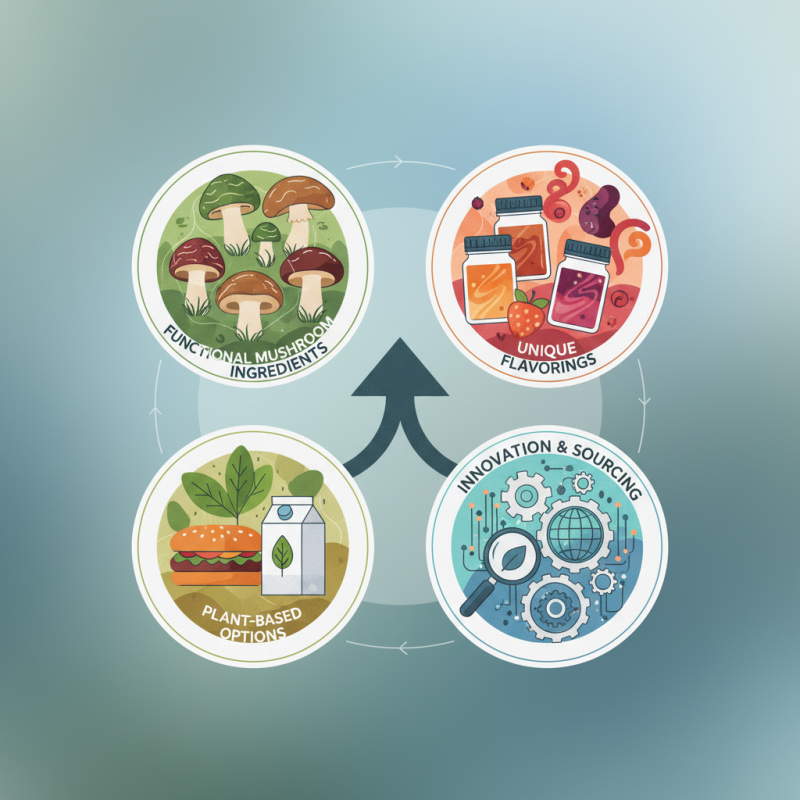
As we move closer to 2026, it’s crazy to see how quickly the food ingredients scene is changing. For buyers around the world, it’s more important than ever to stay on top of these trends if you want to make smart, impactful choices. After all, ingredients are at the heart of innovation in the food biz—whether it’s plant-based options or funky new flavorings, the options are just expanding nonstop.
One trend that’s really catching my eye right now is Functional Mushroom Ingredients. They’re gaining ground because of their health perks, and lots of folks are looking for foods that do more—support wellness and all that. But honestly, I get it—some companies might find it a bit tricky to jump on this bandwagon. It’s not always easy to know exactly where to source these ingredients or how to incorporate them properly.
Dealing with the ever-changing world of food ingredients definitely takes some skill and commitment. For buyers, it’s super important to choose your suppliers wisely—you want partners you can trust. Good relationships can make all the difference when it comes to delivering top-quality products. Still, it’s not all smooth sailing—you’ll face challenges along the way. So, staying curious, constantly learning, and being ready to adapt are pretty much the keys to keeping up in this fast-paced market.
As we approach 2026, the food industry is set to witness exciting flavor trends. Emerging flavors will redefine the way we perceive food ingredients. Exotic spices like urfa pepper and sumac are gaining traction, bringing a depth that many dishes lack. Consumers are becoming more adventurous, seeking unique experiences.
The rise of plant-based ingredients also plays a significant role. Ingredients like jackfruit and aquafaba are not just trendy; they offer health benefits too. Chefs are experimenting with them in innovative ways. However, there are challenges. Not every cook is familiar with these ingredients. Exploring new flavors can sometimes lead to mismatched taste profiles.
Fermented flavors are another growing interest. Products like kimchi and miso are more than just accompaniments; they enhance the overall dish. Yet, some consumers may find these flavors overpowering. As the market evolves, understanding consumer preferences will be crucial. Ultimately, balancing tradition and innovation will shape the future of food ingredient trends.
Sustainability has become a cornerstone in food ingredient sourcing. According to a report by the Food and Agriculture Organization, more than 50% of global food production leads to greenhouse gas emissions. This underlines the urgent need for sustainable practices in ingredient sourcing to combat climate change.
The rise of plant-based diets also drives changes in sourcing. According to a survey by Insights Now, 70% of consumers are actively looking for sustainable food options. This trend is reshaping the market for Pms Relief Ingredients, pushing suppliers to adapt. Many buyers now prioritize ingredients sourced with eco-friendly practices. This includes transparent supply chains and ethical production methods.
However, challenges remain. Not all suppliers can meet rigorous sustainability standards. Quality issues may arise from less sustainable practices. This creates a tension between sourcing sustainably and ensuring ingredient efficacy. Industry stakeholders need to strike a balance for a better future.
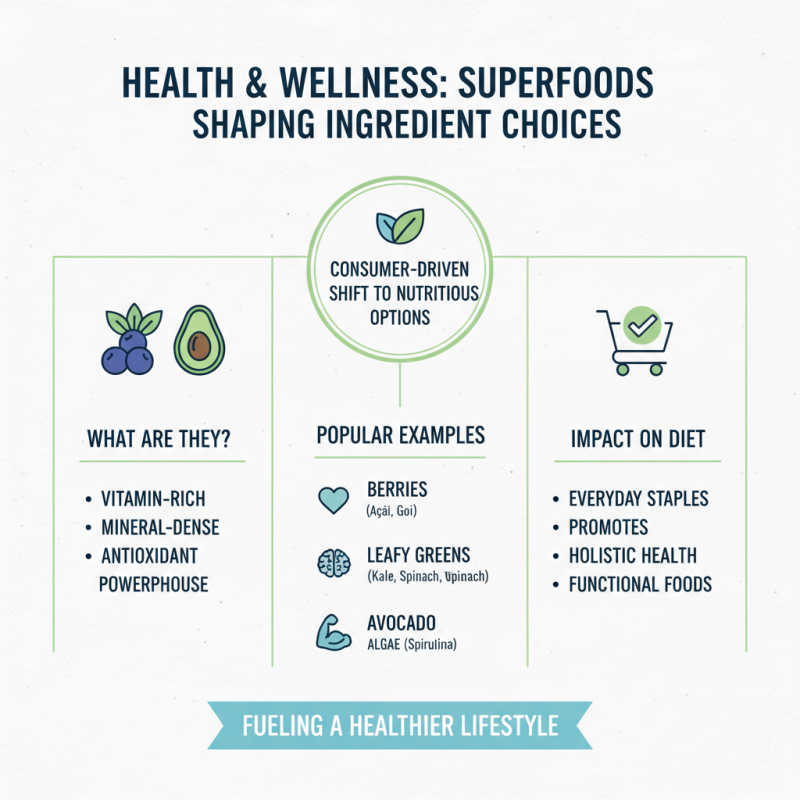
Health and wellness trends are reshaping the food ingredient landscape. Superfoods have gained immense popularity among consumers seeking nutritious options. These foods are often rich in vitamins, minerals, and antioxidants. They've become staples in many diets, promoting overall health.
Consider ingredients like quinoa and chia seeds. Quinoa is packed with protein and is gluten-free. Chia seeds provide omega-3 fatty acids and fiber. These superfoods are versatile and can be used in various recipes. However, not all consumers are familiar with their preparation methods. This lack of knowledge can hinder their acceptance in mainstream diets.
Another trend is the rise of plant-based ingredients. Many buyers are looking for alternatives to animal products. These ingredients, like lentils and various legumes, are not only sustainable but also nutritious. Educating consumers about their benefits is crucial. Some may find them unappealing or complex to prepare. Addressing these perceptions can help in promoting healthier choices.
Technological innovations in food ingredient production are reshaping the global market. The integration of advanced technologies streamlines the process and enhances ingredient quality. Automation and robotics are increasingly used in manufacturing. These innovations not only improve efficiency but also reduce human error. However, the rapid pace of technology presents challenges. Companies must adapt quickly, often struggling with the cost of new systems.
Sustainable practices are also a key focus. Consumers demand transparency about ingredient sources. Manufacturers use blockchain technology to trace origin stories. This builds trust and supports ethical sourcing. Yet, implementing these technologies isn't without hurdles. Many businesses lack the necessary technical expertise. Addressing this skills gap is essential for long-term success.
Longevity Ingredients are gaining traction as well. Innovations in ingredient formulation cater to health-focused consumers. These ingredients aim to support a longer, healthier life. Despite these advancements, some companies may rush product development. It's crucial to balance speed with thorough research. Quality should never be compromised for quick results. The future of food ingredients relies on this careful approach and continuous learning.
Cultural influences significantly shape global food ingredient preferences. For instance, a report by the Food and Agriculture Organization reveals that regional tastes often dictate ingredient choices. In Asia, bold flavors dominate, while European markets lean towards subtler profiles. This disparity impacts how food manufacturers formulate products.
Consumer demands shift rapidly. A recent survey found that 65% of buyers seek ingredients tied to wellness and sustainability. This is especially true in the realm of Sports Nutrition Ingredients. Many athletes are now prioritizing plant-based proteins and superfoods. Ingredients like quinoa and spirulina have surged in popularity. They resonate with consumers' health-conscious values.
Despite these trends, challenges exist. Not every ingredient is culturally accepted. For example, certain plant-based alternatives may not appeal to traditional diets in some regions. Additionally, regulatory barriers can limit ingredient availability. Understanding cultural nuances is essential for success in the global market. Companies must adapt and innovate to meet diverse consumer needs while respecting local traditions.
| Trend | Cultural Influence | Preferred Ingredients | Growth Rate (%) |
|---|---|---|---|
| Plant-Based Foods | Western Health Trends | Pea Protein, Almond Milk | 25% |
| Fermented Products | Asian Culinary Traditions | Kimchi, Kombucha | 18% |
| Sustainable Ingredients | Global Environmental Awareness | Seaweed, Insect Protein | 30% |
| Exotic Spices | Cultural Fusion | Turmeric, Saffron | 22% |
| Functional Foods | Health Consciousness | CBD, Superfoods | 20% |
The rise of plant-based ingredients marks a transformative shift in the food industry. Alternative proteins are now taking center stage, driven by consumer demand for healthier options. This growth reflects a change in dietary preferences. Many buyers seek sustainable and nutritious ingredients. Innovations are emerging in soy, peas, and legumes. These foods are not just alternatives; they offer distinct nutritional benefits.
Alternative proteins can support various health goals. For example, some enhance heart health. Others may provide solutions for Men's Health Ingredients, targeting specific nutritional needs. Despite this progress, challenges remain. Many consumers still associate plant-based foods with lower taste satisfaction. This perception can hinder adoption.
Manufacturers must focus on improving flavor and texture. Collaboration with chefs and nutritionists can bridge the gap. The industry needs to cultivate consumer trust. Transparency in sourcing and production is crucial. As more individuals explore plant-based diets, the opportunity for growth is immense. The journey of alternative proteins is ongoing, and reflection on these challenges can drive future innovation.
As we look toward 2026, functional ingredients are set to redefine the food landscape. These components enhance the nutritional profile of various foods, making them not just tasty but also beneficial. Ingredients like probiotics, omega-3 fatty acids, and plant-based proteins are gaining traction. They offer health benefits that appeal to consumers seeking better nutrition.
A focus on gut health is driving interest in probiotics. Many people are aware of their role in digestive health. Yet, there is still skepticism about their effectiveness. Research is ongoing, and consumers want clear evidence of benefits. They seek transparency about sourcing and processing. This is where brands must improve their communication. It FOSters trust and informs choices.
While fortified foods have gained popularity, not every addition meets consumer expectations. Some functional claims seem exaggerated. People are becoming discerning, asking for proof. This trend invites innovation but also requires authenticity. Companies that navigate these challenges wisely will lead the market. Connecting with consumers on a deeper level is essential for success.
: Superfoods are nutrient-rich foods high in vitamins, minerals, and antioxidants. They promote overall health.
Quinoa is popular because it is high in protein and gluten-free. It fits many diets easily.
Chia seeds are packed with omega-3 fatty acids and fiber. They support heart health and digestion.
Consumers seek healthier and more sustainable options. Plant-based ingredients are nutritious and environmentally friendly.
Many consumers think plant-based foods lack flavor. This belief can affect their willingness to try them.
Improving taste and texture is key. Collaboration with chefs can help enhance overall consumer experience.
Educating consumers about nutritional benefits can increase acceptance. Many are unaware of how to prepare these ingredients.
Some worry about taste and preparation complexity. Addressing these concerns can help promote healthier choices.
No, alternative proteins provide unique nutritional benefits and support various health goals.
Clear communication about sourcing and production builds trust. This is vital as more people explore plant-based diets.
In 2026, food ingredients will undergo significant transformations driven by emerging flavors and sustainability. As consumers increasingly prioritize eco-friendly practices, sourcing ingredients sustainably will be essential for manufacturers. Additionally, the focus on health and wellness will elevate superfoods, influencing buyer choices towards more nutritious options.
Technological innovations will further enhance food ingredient production, optimizing efficiency and quality. Cultural influences will shape global preferences, encouraging a diverse range of flavors and styles. The rise of plant-based ingredients will reflect the growing interest in alternative proteins, while functional ingredients will be essential in enhancing the nutritional profiles of foods, catering to the health-conscious consumer. This convergence of trends highlights the dynamic landscape of food ingredients in the near future.