In the fast-paced world of natural products, really getting why Standardized Extracts matter is super important. I remember Dr. Emily Carter, who's quite the expert in herbal formulas, once said, 'Standardized Extracts give you consistency and strength that people can count on.' That line stuck with me—it just shows how crucial quality is in this whole industry.
Over in China, the scene around Standardized Extracts is pretty lively and always changing. Companies are always pushing to do better, but of course, there are some bumps in the road. Sadly, some manufacturers are all about making a quick buck, risking the trust folks have in their products. But then there are companies like Green Leaf Extracts and Herbal Innovations — they've built a good rep because they really care about quality. They focus on making sure their extracts work well and are sustainable too. Take a look at Ilex Kudincha Extracts — these guys are definitely setting a good example.
Looking ahead to the top factories in 2026, it’s a smart move to think about how the industry is doing. Honestly, transparency and trust should be the main goals for everyone making these extracts. Getting serious about Standardized Extracts can really help raise standards across the board and build more confidence among consumers. The road to better quality is a work in progress, and every step counts — no doubt about it.

Standardized extracts are gaining popularity in China. They offer a concentrated source of active compounds from plants. This trend reflects a growing demand for consistent quality in herbal products. Consumers are becoming more discerning, seeking reliability in health supplements. However, not all extracts are created equal. Some products may not meet the claimed standards. It is essential to scrutinize extraction methods and their effects onpotency.
China is home to numerous factories dedicated to producing standardized extracts. These facilities use advanced technologies to ensure quality control. Yet, challenges remain in maintaining consistent extraction processes. Variability can arise from the source materials. Different batches can yield different levels of active ingredients. This inconsistency poses a problem for manufacturers and consumers alike. Trust must be built through transparency and rigorous testing.
In the landscape of herbal products, education is crucial. Many consumers lack awareness about what standardized extracts entail. They may not know the difference between standardized and non-standardized products. Some may assume that all extracts are the same. This misconception can lead to disappointment. Encouraging educational initiatives could empower consumers to make informed choices.
When evaluating the best standardized extract factories in China, several criteria come into play. Quality is paramount. Factories should use high-quality raw materials, ensuring purity and efficacy of extracts. Certification is another critical aspect. Look for factories with recognized certifications like ISO or GMP. This indicates adherence to quality standards.
Tip: Always check for third-party testing. It adds another layer of trust. Factories should have transparent practices in sourcing materials. The process of extraction should be clearly defined. Consistency in output is vital. If a factory cannot provide reliable data, it raises red flags.
Another important criterion is innovation. Seek factories that invest in research and development. Staying updated with extraction technology is essential. Customer service plays a role too. Responsiveness can reflect a factory's reliability. A factory that is hard to reach may not prioritize client relationships.
Tip: Evaluate their communication channels. Clear communication is vital in building long-term partnerships. Consider the scalability of the factory as well. Can they meet your growing needs? Factories must also demonstrate ethical sourcing practices. This not only affects their reputation but also impacts sustainability efforts.
| Factory ID | Location | Annual Production Capacity (Tons) | Quality Certifications | Sustainability Practices |
|---|---|---|---|---|
| 1 | Location A | 5000 | ISO 9001, HACCP | Water Recycling, Renewable Energy |
| 2 | Location B | 3000 | GMP, Organic | Waste Minimization, Green Packaging |
| 3 | Location C | 7000 | ISO 22000, FSSC 22000 | Sustainable Sourcing, Biodiversity Conservation |
| 4 | Location D | 4500 | Non-GMO, Fair Trade | Energy Efficiency, Carbon Neutral Goals |
China has emerged as a key player in the global standardized extracts industry. The market is projected to grow at a compound annual growth rate (CAGR) of 8.5% by 2026, driven by rising health consciousness and demand for natural products. In 2022, the industry was valued at approximately $2 billion, highlighting its significant impact on wellness and nutrition sectors.
When exploring top manufacturers in this competitive landscape, several factors play a crucial role. Quality control practices and adherence to regulatory standards are paramount. Factories strive to implement cutting-edge extraction technologies to maintain product efficacy and safety. Transparency in sourcing raw materials is often lacking. Industry reports indicate a significant percentage of consumers favor brands with clear ingredient origins.
The focus on sustainable practices and eco-friendly extraction methods is also increasing. However, many factories still face challenges with waste management and energy consumption. The need for continuous improvement in environmental impact is evident. As the industry evolves, addressing these issues will be critical for long-term success and market trust.
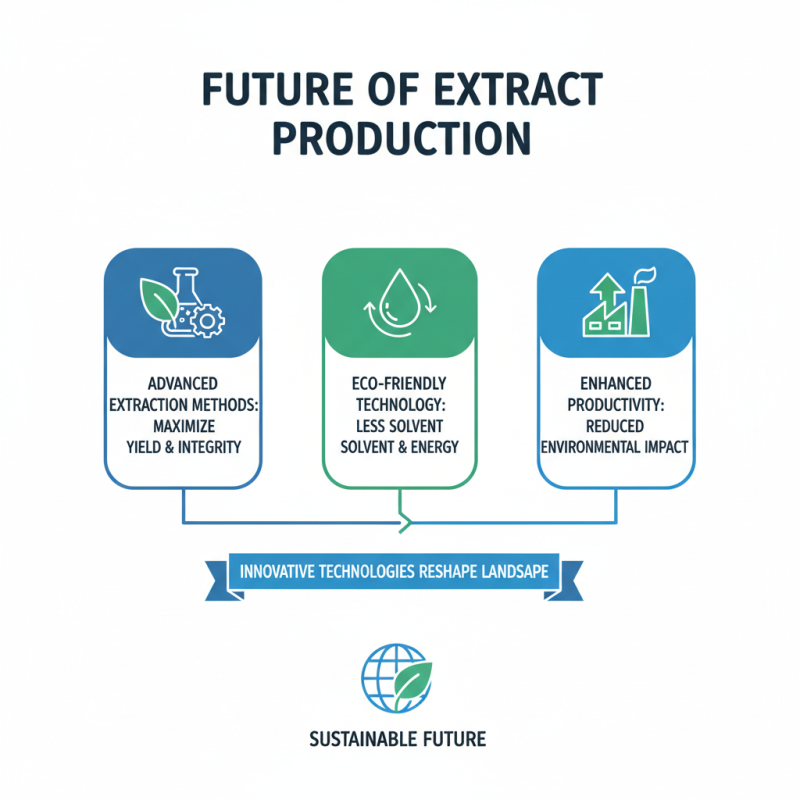
In the world of extract production, innovative technologies are reshaping the landscape. Factories are increasingly adopting advanced extraction methods. These techniques maximize yield while retaining the integrity of natural compounds. New extraction equipment uses less solvent and energy. This shift not only enhances productivity but also reduces environmental impact.
Modern processes often incorporate automation and precision technology. This allows for consistent quality control, ensuring that each batch meets stringent standards. However, integrating these technologies poses challenges. Workers may need upskilling to operate complex machinery. There is also a reliance on data analytics to monitor production, which can be daunting for some smaller factories.
The drive for innovation is evident, yet it’s essential to consider drawbacks. The initial investment in new technology can be significant. Some manufacturers may hesitate, fearing the return on investment won’t justify the costs. As the industry evolves, balancing technology advancement with practical realities is crucial for sustainable growth.
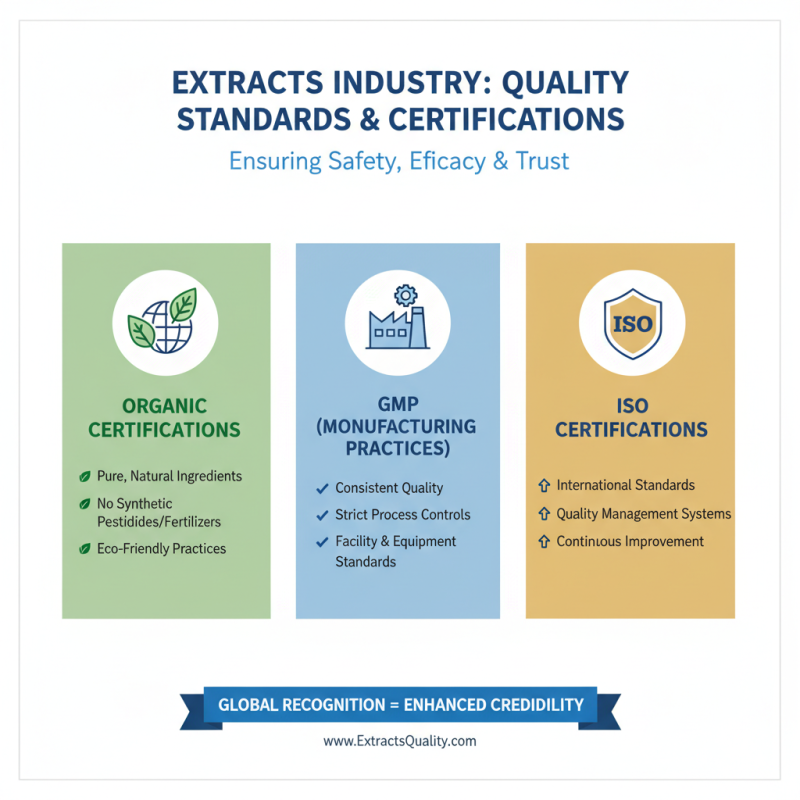
Quality standards and certifications play a vital role in the extracts industry. They ensure products meet safety and efficacy benchmarks. Many factories pursue internationally recognized certifications to enhance credibility. These certifications often include ISO, GMP, and organic certifications. Each certification reflects a commitment to quality.
**Tips:** When choosing extracts, check for valid certifications. This can help you identify reliable manufacturers. It’s essential to investigate the certification processes they follow.
Some factories may cut corners to save costs. This could compromise product quality. Transparency in production processes is crucial. Consumers must ask for documentation and testing results. Understand the significance of traceability in products.
**Tips:** Always seek samples before purchasing in bulk. This allows for quality assessment firsthand. Remember, not all certifications hold equal weight. Take time to research what each one truly represents.
The extracts manufacturing sector in China is rapidly evolving. Advanced technology is integral to this growth. Automation is becoming a standard. This drives efficiency and reduces costs.
Sustainability is another key trend. Many factories are shifting toward eco-friendly practices. They focus on sourcing raw materials responsibly. This helps meet consumer demands for sustainable products. The challenge lies in balancing quality with cost. Some companies still struggle with this approach.
**Tip:** Always assess supply chain practices. Look for transparency in sourcing.
Innovation in extraction techniques is vital. Methods like supercritical CO2 extraction are gaining popularity. These methods preserve the integrity of the extracts. However, not every factory can implement this technology effectively. Some lack the resources.
**Tip:** Regularly invest in training. Keeping the workforce updated is crucial.
The market also sees increasing competition. New players emerge frequently. Established factories must adapt to maintain market share. This can lead to rushed decisions. Sometimes, this affects product quality. A thoughtful approach is necessary to thrive.
In the realm of herbal extracts, China stands out as a prominent player. Many standardized extracts factories are leading the market. They focus on quality control and consistency. Some factories operate with state-of-the-art equipment, while others still rely on traditional methods. This blending of old and new offers unique results. However, not every factory adheres to the same standards. Quality can vary significantly from one producer to another.
Case studies reveal interesting insights. Certain factories have established protocols for product testing. They ensure that their extracts meet specific purity standards. Yet, some smaller producers may overlook these steps. This inconsistency raises questions about consumer safety. Attention to detail is crucial, yet not all factories prioritize it. Evaluating a factory’s approach can reveal much about its reliability.
Additionally, transparency remains a concern. Some factories don't fully disclose their sourcing practices. This can lead to mistrust. Consumers and businesses need to ask tough questions. Understanding the production process is vital for informed decisions. The industry still has room for improvement, particularly in accountability and communication.
: Regular exercise improves physical health. It boosts mood and reduces stress. You may also experience better sleep.
Begin with simple activities. Walking or jogging for 30 minutes is effective. Gradually increase intensity over time.
A light sNACk works well. Consider fruits or yogurt. Avoid heavy meals that can make you feel sluggish.
Aim for at least 150 minutes of moderate activity weekly. Break it into sessions that fit your schedule.
It is okay to feel fatigued. Listen to your body and take breaks when needed. Pushing too hard may lead to injuries.
Yes, home workouts are effective. Use bodyweight exercises or online classes for guidance. Create a space that motivates you.
Not at all. Many people achieve fitness goals without gyms. Explore outdoor activities or group classes in your community.
Setting realistic goals helps. Tracking progress can show improvements. Find a workout buddy for added support and enjoyment.
Explore different activities that excite you. Dance, hiking, or swimming can be fun alternatives to traditional workouts.
Yes, rest days are crucial for recovery. It helps prevent burnout and injuries. Your body needs time to heal and strengthen.
The article titled "2026 Top China Best Standardized Extracts Factories You Should Know" provides a comprehensive overview of the standardized extracts industry in China, highlighting its significance and emerging trends. It outlines the criteria for evaluating the best extracts factories, placing emphasis on innovative technologies that enhance production processes.
The piece also discusses the importance of quality standards and certifications in ensuring product integrity, while exploring future trends that are likely to shape the manufacturing sector of standardized extracts. Additionally, it features case studies of leading extracts producers in China, showcasing their contributions to the industry and offering insights into the evolving landscape of standardized extracts production. Overall, the article serves as a valuable resource for understanding the current state and future prospects of this dynamic sector.