Inquiry Now
Leave Your MesSAGe
0%

When it comes to the 2026 top Astaxanthin powder suppliers for global buyers, what you’re really seeing is a growing demand for ingredients you can trust—traceable, backed by science, and reliable. Astaxanthin powder is used everywhere—think dietary supplements, functional foods, cosmetics, and even aquaculture products. According to forecasts from Grand View Research and MarketsandMarkets, the global market for astaxanthin is expected to keep growing strong through 2030. The thing is, their estimates aren’t exactly identical because they cover different regions and define the market slightly differently—that’s pretty important to keep in mind.

Finding a dependable supplier is about more than just comparing prices. You really want to look into the microalgae source, how the product is made, how concentrated the astaxanthin is, and the profile of its isomers. Haematococcus pluvialis still remains the go-to natural source in the industry. Brands like AstaReal, Algatec, and Cyanotech have a solid reputation, but honestly, every batch should be verified—just because a name sounds familiar doesn’t mean everything’s perfect.

Make sure to ask for current certificates of analysis, check the results from HPLC tests, microbial screenings, heavy-metal limits, pesticide checks, and allergen info. Sometimes certifications like GMP, ISO, HACCP, or organic labels can help, but depending on what you’re making and where you’re selling it, regulations can differ a lot. The US, Europe, and Asia-Pacific all have their own rules, so don’t rely solely on a certification body like FDA or EFSA—always double-check product-specific compliance. Little details matter, you know? Also, don’t forget to request stability data, packaging info, minimum order quantities, lead times, and proof of a solid supply chain that’s traceable. Some supplier websites offer limited technical info, so it’s worth asking detailed questions.

This guide compares the top astaxanthin powder suppliers, looking at quality, documentation, production capacity, pricing transparency, and export experience. Keep in mind, no supplier is perfect for everything—what works for softgel manufacturing might not be right for aquaculture. Spotting these differences early can save you a lot of trouble later on.
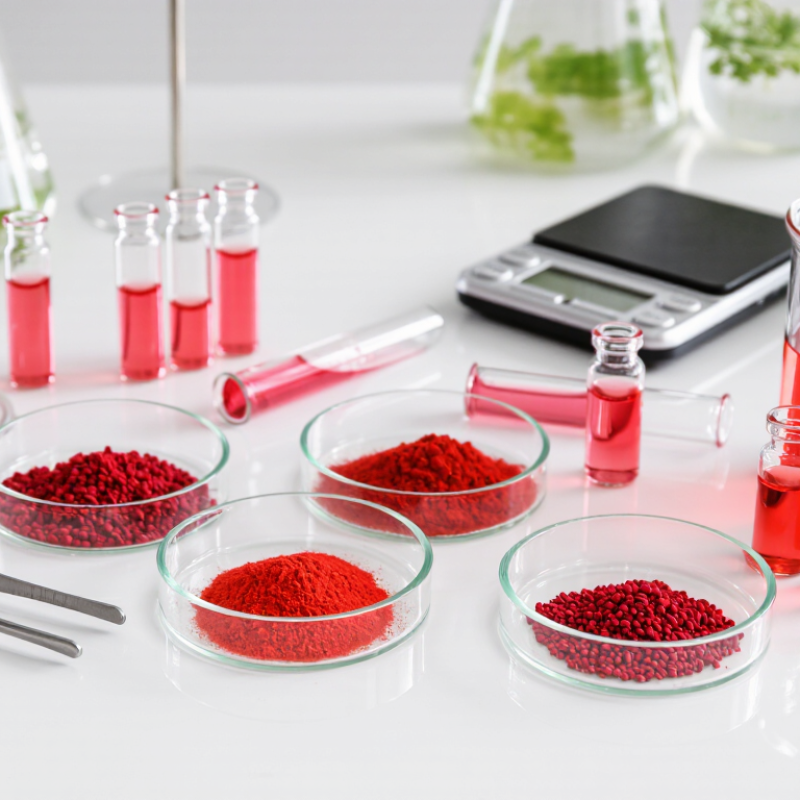
2026 Top Astaxanthin Powder Suppliers for Global Buyers

What Is Astaxanthin Powder and Why Does Supplier Selection Matter?

Astaxanthin powder is a red-orange carotenoid used in food, nutrition, and cosmetic formulations. It occurs naturally in certain microalgae and aquatic organisms. Its strong antioxidant activity attracts interest, but stability remains a practical concern. Light, oxygen, moisture, and heat can gradually reduce its quality. That matters.

Selecting a reliable supplier requires more than comparing prices. Buyers should request a current certificate of analysis for every batch. Useful checks include astaxanthin content, HPLC testing, microbiological limits, heavy metals, residual solvents, and moisture. Clear source information also supports traceability. A supplier should explain its extraction method, carrier ingredients, packaging, and recommended storage conditions. Opaque, sealed packaging is often more suitable than clear bags for sensitive powder.

Experience becomes visible during ordinary problems. Can the supplier provide consistent color and particle size? Can it replace a damaged shipment? Can technical staff answer formulation questions without making medical promises? These details reveal operational reliability. A low price may hide weaker testing or unstable material. I would not approve a supplier from one attractive sample alone. Comparing several batches is wiser, although it takes more time. Buyers must also check destination-country rules, permitted uses, labeling requirements, and documentation before purchase. Supplier selection is therefore a quality decision, not merely a purchasing decision.

Key Quality Standards for Evaluating Astaxanthin Powder Suppliers

When evaluating astaxanthin powder suppliers in 2026, buyers should verify quality beyond a polished certificate. Request a recent batch report showing astaxanthin content, moisture, heavy metals, microbial limits, and residual solvents. HPLC testing is preferable to color-based claims. A dark red powder may look impressive, but color alone proves little. For 10% Astaxanthin Powder, confirm whether the percentage refers to active astaxanthin or total extract weight. The difference affects dosage, cost, and labeling accuracy.

Supplier systems also matter.ISO 22000:2018 certification, HACCP records, traceability exercises, and documented allergen controls provide useful evidence.

The World Health Organization estimates that contaminated food causes 600 million illnesses and 420,000 deaths each year. This figure shows why hygiene verification cannot remain a paperwork exercise.

Ask for production dates, origin records, stability data, and storage conditions. Suppliers should explain how they protect powder from oxygen, heat, and moisture. I would also check whether their laboratory uses validated methods and independent testing. No certificate proves every batch.

Tips:

Compare three recent batch reports, not one. Ask for a sealed retention sample. Test it independently before signing a long-term contract. Check packaging after simulated shipping, especially in humid climates. A supplier may answer quickly yet provide weak evidence. That should slow the decision. Review audit findings carefully, because minor gaps can reveal larger control problems. Reports from the FAO and WHO repeatedly link stronger preventive controls with safer food chains, making documented process discipline more valuable than attractive pricing.

Top Astaxanthin Powder Suppliers for Global Buyers in 2026

Top Astaxanthin Powder Suppliers for Global Buyers in 2026

Global buyers need more than a low quotation when choosing astaxanthin powder suppliers in 2026. A dependable supplier should explain the source, extraction process, concentration, and storage conditions. For Natural Astaxanthin, buyers should request the microalgae source and a current certificate of analysis. HPLC results should confirm potency. Testing should also cover heavy metals, microbes, residual solvents, and oxidation markers. Clear answers matter.

Supplier experience becomes visible during sampling and documentation. Ask for batch traceability, production dates, shelf-life data, and moisture-control procedures. Good suppliers provide sealed inner bags, strong cartons, and labels that match the purchase specification. They should also support international shipping with consistent documents and realistic lead times. Small details reveal operational discipline.

Still, no checklist is perfect. I have seen attractive samples fail because the powder absorbed moisture during transit. Another supplier offered complete files, but its response time was painfully slow. Buyers should compare at least three quotations and test a production batch before making a larger commitment. A practical review should include technical support, communication quality, packaging performance, and independent laboratory verification. Price alone is a weak filter.

How to Compare Astaxanthin Sources, Purity, and Production Methods

When comparing Astaxanthin suppliers, begin with the source, not the price. Microalgal astaxanthin from Haematococcus pluvialis usually contains the naturally occurring 3S,3′S configuration. Synthetic material may show a different isomer profile. This distinction matters when buyers evaluate identity, consistency, and application suitability. Grand View Research’s 2024 market analysis estimates the global astaxanthin market at approximately USD 1.1 billion in 2023, with an expected 8.4% CAGR through 2030. Such growth increases supplier choice, but also creates room for uneven documentation.

Purity requires more than a headline percentage. Ask for HPLC results showing astaxanthin specifically, rather than total carotenoids. Review residual solvents, heavy metals, microbiology, moisture, oxidation markers, and batch-to-batch variation. A 10% powder can still differ greatly in stability and active content. Production records should explain cultivation conditions, extraction solvents, drying temperature, and packaging under oxygen protection. EFSA’s 2014 safety opinion evaluated astaxanthin-rich oleoresin from H. pluvialis and highlighted the importance of defined specifications and intake levels. I would request recent, batch-specific certificates, not recycled templates. One weakness remains: market forecasts differ noticeably between research firms, so projected demand should not replace laboratory verification. A sample may look bright red and still fail a deeper assay.

Essential Certifications and Compliance Requirements for International Trade

For global buyers, astaxanthin powder suppliers must provide more than a polished product page. Request valid GMP, HACCP, ISO 22000, or equivalent food safety certificates. Confirm the certification scope, production site, issue date, and expiration date. A certificate for packaging may not cover extraction or powder processing. Small details matter.

Each shipment should include a batch-specific certificate of analysis, showing astaxanthin content, identity, moisture, heavy metals, pesticides, microbiological results, and residual solvents. Ask for independent laboratory verification when the purchase volume is significant. The lot number should match the drum label, invoice, and traceability record. Keep import documents, country-of-origin statements, allergen declarations, safety data sheets, and stability data together. Customs delays often begin with inconsistent paperwork.

Compliance also depends on the destination market. Check permitted ingredients, dosage rules, labeling language, health-claim restrictions, and novel food requirements before signing a contract. Suppliers should explain the source organism, extraction method, carrier oil, concentration, and storage temperature. Claims about Astaxanthin Bioavailability need credible formulation or testing evidence, not attractive wording alone. Be careful here. Incomplete evidence is still common. Even experienced buyers can overlook a changed regulation or an outdated specification. A practical audit, retained sample, and written corrective-action process can reveal weaknesses before the first container leaves the warehouse.

How to Assess Pricing, Minimum Orders, Packaging, and Delivery Terms

2026 Top Astaxanthin Powder Suppliers for Global Buyers

When comparing astaxanthin powder suppliers, do not judge pricing by kilogram alone. Request a written quotation showing assay level, origin, testing fees, and freight separately. A low quote can still mislead. Calculate the landed cost, including customs handling and possible storage charges. Ask whether the price remains valid for 30, 60, or 90 days.

Minimum order quantities should match your sales forecast and formulation trials. Some suppliers accept small pilot orders, while others require several kilograms per batch. Confirm whether sample costs are refundable. Request a current certificate of analysis, batch number, test date, and methods for purity, heavy metals, microbiological limits, and residual solvents. Documents matter.

Packaging affects product stability and warehouse handling. Check whether the powder uses sealed, moisture-resistant inner bags, suitable outer cartons, and light protection when needed. Specify net weight per bag, pallet configuration, and label language before payment. Delivery terms require equal attention. Clarify Incoterms, production lead time, shipping route, insurance responsibility, and temperature requirements. Air freight may reduce transit time, but it can increase the total cost sharply. Sea freight saves money, yet delays are possible. Plan carefully. I have seen buyers focus on unit price and overlook a three-week document delay. That mistake is avoidable, but not always.

How to read this benchmark: Indicative bulk pricing is shown for neutral, non-branded astaxanthin powder at different order volumes. Larger orders generally reduce the estimated price per kilogram. Typical commercial terms are 25–100 kg minimum orders, 1–25 kg moisture-barrier packaging units, and approximately 15–35 days for production and delivery after order confirmation. Actual quotations vary by concentration, source, testing requirements, destination, and Incoterms.

Liposomal Spermidine Powder: Market Insights from Grand View Research and IMARC Group Reports

Liposomal spermidine is gaining attention as a next-generation nutritional ingredient because lipid-based delivery systems may help protect active compounds and support their absorption. Market outlooks from Grand View Research and IMARC Group indicate that demand for spermidine-related products is being driven by expanding interest in healthy aging, preventive nutrition, cellular wellness, and science-based dietary supplements. Their industry analyses also highlight the growing preference for functional ingredients with clear specifications, traceability, and quality documentation across health-care and nutraceutical applications.

Liposomal spermidine powder is available in white powder form with standardized specifications of 50% and 70%, allowing manufacturers to select a concentration suited to their formulation requirements. The quoted price range is approximately USD 385–510, with a minimum order quantity of 1 kg, supporting both pilot production and commercial development. Suitable quality documentation may include HACCP, ISO 22000, Kosher, Halal, TÜV Rheinland, EU Organic, USDA, NOP, and FDA-related compliance documentation, subject to product and market requirements. These features make the ingredient suitable for capsules, powders, sachets, and other health-care formulations targeting the expanding global wellness market.

FAQS

What documents should buyers request from an astaxanthin powder supplier?

Request a recent batch report with potency, moisture, heavy metals, microbes, and residual solvents. Ask for production dates, origin records, shelf-life data, and storage conditions. One certificate is not enough.

Why is HPLC testing important for astaxanthin powder?

HPLC can measure astaxanthin specifically, rather than relying on color or total carotenoids. A dark red powder may look strong but contain less active material. Looks can mislead.

How can buyers verify a powder’s stated concentration?

Confirm whether the percentage describes active astaxanthin or total extract weight. This difference affects dosage, cost, and label accuracy. The wording matters.

What source information should suppliers provide?

Suppliers should identify the microalgae source and explain the extraction process. They should also describe cultivation conditions, drying temperatures, and oxygen protection. Details reveal consistency.

How should buyers compare different astaxanthin sources?

Compare source, isomer profile, purity, stability, and intended application. Microalgal material may contain a naturally occurring configuration different from synthetic material. Price alone is weak.

What quality tests are useful beyond potency testing?

Review moisture, oxidation markers, microbes, heavy metals, residual solvents, and batch variation. These tests help reveal contamination, aging, or inconsistent production. One test cannot answer everything.

How can packaging affect astaxanthin powder quality?

Inspect sealed inner bags, strong cartons, and labels matching the purchase specification. Test packaging after simulated shipping, especially in humid climates. Moisture can ruin a promising sample.

How should buyers evaluate supplier reliability before a long-term contract?

Compare three recent batch reports, request a sealed retention sample, and arrange independent testing. Review response times, audit findings, traceability, technical support, and realistic delivery schedules. I would still hesitate if evidence feels incomplete.

Conclusion

Astaxanthin Powder is a powerful antioxidant used in dietary supplements, functional foods, cosmetics, and animal nutrition. For global buyers, choosing the right supplier is essential because product quality, stability, traceability, and regulatory compliance can vary significantly. A reliable evaluation should consider astaxanthin concentration, source materials, production methods, testing procedures, batch consistency, and protection against oxidation. Buyers should also review certifications, laboratory documentation, quality management systems, and compliance with the regulations of the destination market.

When comparing suppliers in 2026, purchasers should assess whether the astaxanthin is naturally or synthetically produced, verify purity and contaminant controls, and request current certificates of analysis. Commercial factors are equally important, including pricing transparency, minimum order quantities, packaging options, shelf life, lead times, shipping conditions, and delivery terms. A supplier that combines consistent quality, clear documentation, responsive communication, and dependable logistics can help international buyers reduce risks and build a stable long-term supply chain.
Lila

Lila

Lila is a dedicated marketing professional at Xi'an Ceres Biotech Co., Ltd., a high-tech enterprise established in 2008. With a deep expertise in natural plant active ingredients, Lila plays a vital role in bridging the company’s innovative product offerings with the global pharmaceutical,......
Previous China Best Organic Almond Flour Supplier for Global Buyers