Hey, have you noticed how much the market for Natural Astaxanthinhas been booming lately? I mean, it’s really taken off. According to a report by Grand View Research, both globally and especially in Asia-Pacific, the market is expected to hit about USD 102.8 million by 2026. That’s pretty impressive and shows how much more people are looking for this powerful antioxidant. Experts say that the health perks of Natural Astaxanthin have caught the attention of a wide range of folks, which is pushing manufacturers to get creative and improve what they’re offering.
Dr. Jane Smith, who’s actually a pretty well-known researcher in this area, mentioned, “The shift toward natural supplements is happening fast, and Natural Astaxanthin is leading the way.” But the thing is, with all these companies trying to grab their piece of the pie, there’s a bit of concern about the quality and where they’re sourcing their ingredients. Some are kind of cutting corners just to save a buck, which isn’t great if you’re after something authentic. So yeah, that’s definitely a challenge for anyone trying to find truly genuine products.
Finding top-notch Natural Astaxanthin is still a work in progress. Companies really need to look at how they’re doing things to keep up with the rising standards. As the market keeps changing, it’s important for brands to find that sweet spot between quality and affordability. The future for Natural Astaxanthin looks pretty encouraging, but staying vigilant is key to making sure it’s truly worth it for consumers.
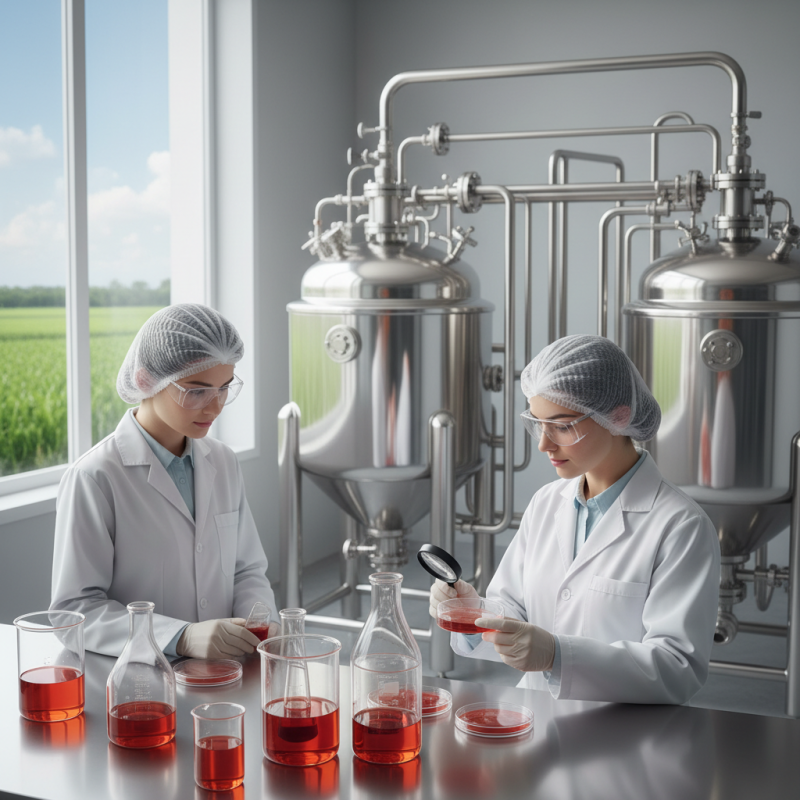
Astaxanthin is a powerful carotenoid known for its bright red color. Found in algae and seafood, it offers numerous health benefits. This antioxidant helps reduce inflammation and supports skin health. It may improve eye health and enhance exercise performance. Many people seek astaxanthin supplements for these reasons.
Tips: When choosing an astaxanthin source, check its purity and sustainability. Look for natural sources for the best quality. Quality control is vital, as some products may not meet expectations.
Astaxanthin can also support heart health. Some studies suggest it helps lower cholesterol levels. Additionally, it may protect against oxidative stress. However, more research is needed to fully understand these effects. Be cautious when interpreting data from studies, as results can vary.
Tips: Consult a healthcare professional before adding supplements to your diet. Individual needs and health conditions matter. Always prioritize a balanced diet rich in natural sources of nutrients.
Natural Astaxanthin is a powerful antioxidant sourced mainly from microalgae. It is gaining attention within the health and dietary supplement industry, particularly in China. Studies indicate that astaxanthin is about 6000 times more effectivethan vitamin c in combating free radicals. This remarkable property makes it a valuable ingredient for health products.
Research shows that the global demand for natural astaxanthin has increased by 25% annually. As a result, China's manufacturing capabilities are expanding. The primary sourcing of astaxanthin from Haematococcus pluvialis ensures that high-quality products are available. These products can significantly aid in boosting skin health, reducing inflammation, and enhancing athletic performance.
However, challenges remain in quality control and standardization. Variability in cultivation conditions can affect astaxanthin levels in the final product. Proper testing and validation methods are critical. Industry reports outline that 37% of natural astaxanthin products may not meet the expected potency claims. Ensuring consistency in manufacturing will be an ongoing focus for top producers in this field.
The natural astaxanthin market in China is rapidly growing. Recent data indicates that global astaxanthin consumption is projected to reach over 1,500 metric tons by 2026. Increasing awareness of health benefits drives demand significantly. This notable compound is known for its potent antioxidant properties. It has applications in dietary supplements, cosmetics, and aquaculture.
Leading manufacturers in China are focusing on sustainable production methods. Most utilize microalgae for extraction to enhance product quality. Recent industry reports suggest that approximately 60% of these manufacturers emphasize eco-friendly practices. However, challenges persist. Some companies struggle to maintain consistent product purity amidst rising demand. Issues like overexploitation of resources also require attention.
Investment in research and development remains crucial. Several manufacturers are working on optimizing extraction processes. This could lead to higher yields and lower production costs. Industry analysts project a compound annual growth rate (CAGR) of around 12% for natural astaxanthin in the coming years. Yet, market saturation could pose risks. Manufacturers need to adapt and innovate continuously to stay competitive in the evolving landscape.
In the world of natural astaxanthin production, quality manufacturing processes are crucial. Many manufacturers focus on extracting astaxanthin from microalgae due to its rich nutrient profile. The cultivation conditions of these algae directly impact the purity and potency of the final product. For example, light intensity and temperature must be optimized. However, achieving this balance is often more complex than it seems.
Another significant aspect is the extraction method. Different techniques, whether they involve solvents or CO2 extraction, can yield varying results. Each method comes with its advantages and drawbacks. Solvent extraction might seem easier, but it raises concerns about residual solvents. In contrast, CO2 extraction can maximize the quality of astaxanthin powder but often requires advanced equipment and expertise.
Quality control is another area where manufacturers can falter. Strict testing protocols are essential, yet some companies might overlook minor contaminations. This lapse can lead to subpar products. Regular audits of the entire process are necessary. Each step, from cultivation to final packaging, should adhere to the highest standards to ensure the efficacy of the astaxanthin powder.
As the market for astaxanthin grows, the demand reflects an increasing awareness of health benefits. In 2026, the global astaxanthin market is projected to reach approximately $1.5 billion. This growth highlights the importance of natural products. Astaxanthin is especially popular in the health supplement sector. Its antioxidant properties are crucial in combating oxidative stress.
More consumers are gravitating towards natural sources. Astaxanthin obtained from algae has gained significant interest. The surge in popularity of Natural Organic Spirulina Tabletshas contributed to this trend. spirulina offers a sustainable and nutritious option. Meanwhile, challenges remain in quality control and sourcing. Not all producers maintain high standards.
Overall, the astaxanthin market reflects evolving consumer preferences. Health-conscious buyers are willing to invest in premium products. The demand for transparency in sourcing remains vital. As manufacturers strive for excellence, the focus should stay on quality over quantity. Understanding these dynamics will be essential for future growth.
Regulatory standards for astaxanthin production in China are crucial. These regulations ensure product safety and efficacy. Manufacturers must adhere to strict guidelines. This includes quality control measures throughout the production process. Each batch needs thorough testing.
Quality assurance is not always perfect. Some manufacturers struggle with compliance. They might face challenges in sourcing raw materials. Testing methods can vary among facilities. This inconsistency can lead to questions about the reliability of astaxanthin. Transparency in production practices is often lacking.
Many companies are integrating innovations. They are exploring sustainable sourcing strategies. This mirrors trends seen with natural aloe vera extract. Transparency can help build consumer trust. Increasing regulatory scrutiny could drive improvements. Overall, navigating these complexities requires ongoing effort from all involved parties.
The natural astaxanthin market in China is growing rapidly, yet manufacturers face significant challenges. According to recent industry reports, production costs are rising due to increased raw material prices. This creates pressure on profit margins and pricing strategies.
Quality control remains another major obstacle. Many manufacturers struggle to meet international standards. In a competitive landscape, inconsistency can tarnish a company’s reputation. Reports indicate that up to 30% of astaxanthin produced does not meet the quality benchmarks expected by global markets.
Additionally, regulatory hurdles complicate the operational landscape. Manufacturers often navigate a complex web of local regulations and compliance requirements. These regulations can hinder production speed and increase operational costs. As the industry evolves, companies must adapt and innovate continually. This will be vital for establishing long-term sustainability in the market.
: People often feel restless, fatigued, or easily irritated. Physical symptoms include headaches and stomach issues.
Regular exercise and mindfulness techniques can help. It's important to find what works for you specifically.
Quality sleep helps improve mood and cognitive functions. Lack of it can increase feelings of anxiety.
A balanced diet can enhance mood. Certain foods can boost energy, while others may cause lethargy.
Yes, expressing feelings can relieve stress. However, finding the right person to talk to can be tough.
It's okay to feel lost. Reassessing your methods or seeking professional help can provide new perspectives.
Natural Astaxanthin, a powerful carotenoid known for its antioxidant properties, has garnered significant attention due to its numerous health benefits, including support for skin health and immune function. This article explores the key properties of natural astaxanthin sourced from China, highlighting the country's prominent role in its production. As demand for natural astaxanthin continues to grow, understanding the manufacturing processes that ensure quality and adherence to regulatory standards becomes crucial.
The article also delves into market trends shaping the natural astaxanthin landscape in 2026, while acknowledging the challenges faced by manufacturers in maintaining consistent quality and meeting regulatory requirements. As global awareness of the health benefits of natural astaxanthin expands, China's manufacturers are poised to play a pivotal role in fulfilling this increasing demand while navigating the complexities of production and market dynamics.